.webp&w=384&q=75)

Loading, please wait...
Loading, please wait...

Head and neck cancer treatments often involve aggressive surgeries. These therapies significantly impact a patient’s identity and daily function. Beyond physical management, integrating spirituality in cancer care is a vital component of holistic treatment. A recent scoping review explores how spiritual dimensions help patients navigate the complex journey of diagnosis and recovery.
Spirituality is not limited to religious affiliation alone. Instead, it encompasses a broader search for meaning and inner peace. For many patients, religious faith provides a stable framework to process existential distress. Moreover, individuals often find strength through a connection to the divine or a higher purpose. These dimensions are particularly relevant in the Indian context. Notably, cultural beliefs often shape how a person views their illness and recovery. Consequently, healthcare providers must recognize these internal resources throughout the treatment process.
Research indicates that high levels of spiritual well-being correlate with improved health outcomes. Specifically, patients who lean on their faith report better pain management. They also experience fewer treatment-related side effects. Furthermore, spirituality significantly enhances coping capacity and emotional resilience. In addition, some studies suggest a potential link between spiritual support and improved survival. Therefore, addressing these needs can boost the overall quality of life for those battling head and neck malignancies.
Clinicians can utilize validated instruments to measure spiritual health effectively. For instance, the Functional Assessment of Chronic Illness Therapy-Spiritual Well-being Scale is a standard tool. This scale assesses beliefs, meaning, and inner peace. By incorporating such assessments, the medical team can identify patients at risk of spiritual distress. Additionally, collaborating with specialists ensures that the patient receives comprehensive support. Ultimately, this approach fosters better treatment adherence and psychological adjustment.
Spirituality helps patients find meaning and inner peace, which enhances their ability to cope with the physical and emotional challenges of cancer. It is associated with higher quality of life, reduced distress, and improved pain management.
The FACIT-Sp (Functional Assessment of Chronic Illness Therapy-Spiritual Well-being Scale) is a widely used instrument. It helps clinicians measure a patient\'s sense of meaning, peace, and the role of faith in their health journey.
Disclaimer: This content is for informational and educational purposes only. It does not constitute medical advice or a professional relationship. Refer to the latest local and national guidelines for clinical practice.
References

Read summarized clinical updates, watch expert medical content, and earn CME certifications right from your smartphone.
Open your smartphone camera to scan and install.





Discover how spirituality and religiosity improve quality of life, pain management, and coping capacity for patients facing head and neck cancer....
6 months ago
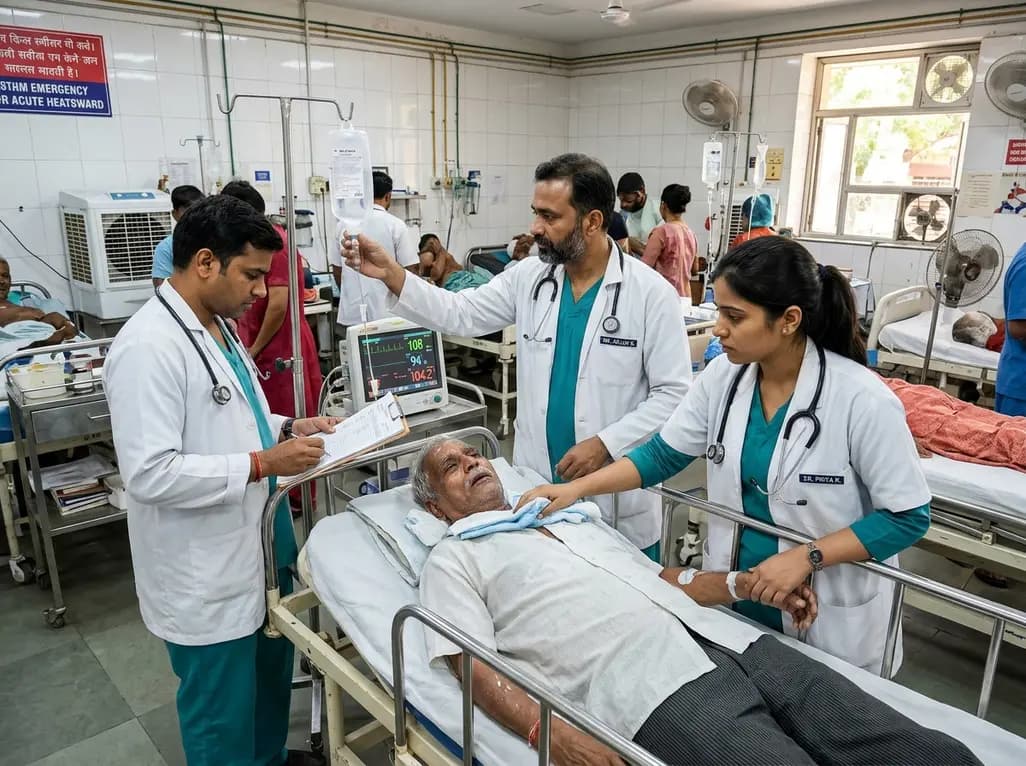
Recent epidemiological data reveals a dramatic surge in summer heat mortality driven by human-induced climate warming. This analysis explores the pathophysiological impacts on cardiac and renal systems, diagnostic dilemmas in death certification, and essential emergency cooling protocols for acute clinical care.
Today
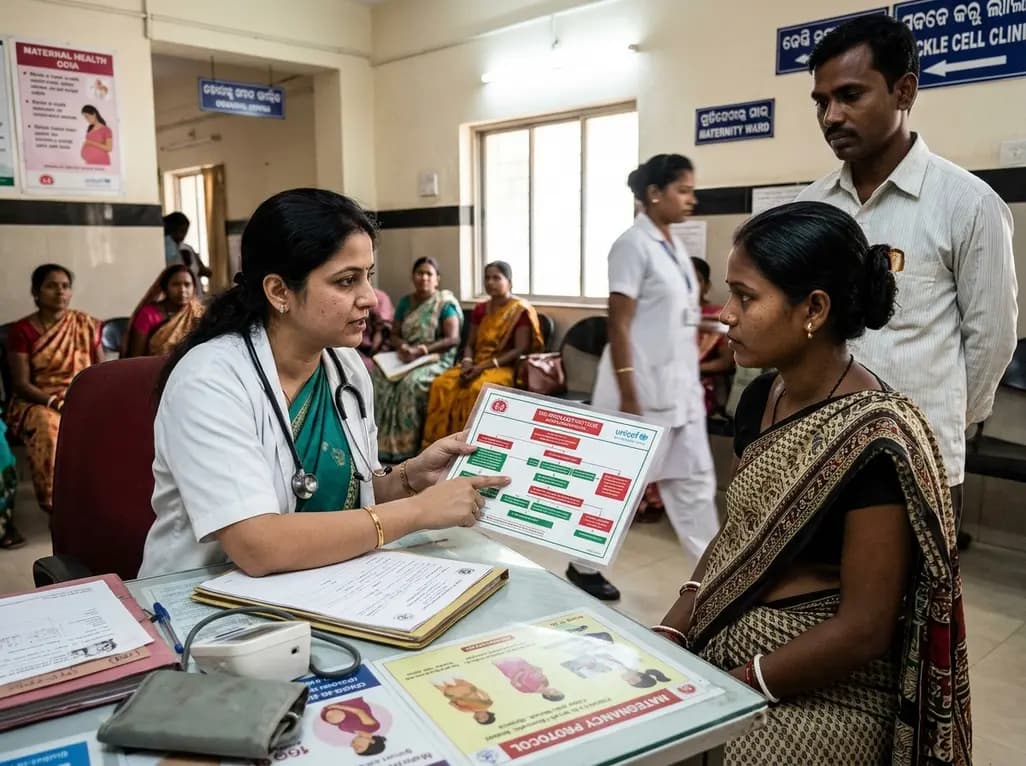
Odisha has established India's first state-level clinical protocol specifically tailored for pregnant women with sickle cell disease. Developed with NHM and UNICEF, the framework provides structured antenatal screening, crisis mitigation, standardized referral pathways, and specialized interdisciplinary care.
Today

India is advancing preventive healthcare by integrating genomics, artificial intelligence, and quantum technologies. With the SANGAM programme sequencing one million Indian genomes, clinicians can unlock personalized therapies, detect cardiometabolic risks early, and curb the burden of diabetes and heart disease.
Today

A randomized controlled trial demonstrates that an eight-week dual-task training intervention significantly improves static and dynamic postural control over standard balance exercises in individuals with chronic ankle instability, addressing critical neurocognitive deficits during athletic and daily activities.
Today

A retrospective cohort study of 7,716 ICU patients from the MIMIC-IV database demonstrates that Gradient Boosting Decision Trees significantly outperform traditional SOFA scores in predicting in-hospital mortality among patients with sepsis and diabetes, with SHAP analysis providing clinical interpretability.
Today
