.webp&w=384&q=75)

Loading, please wait...
Loading, please wait...

Clinicians often diagnose musculoskeletal limb pain based solely on where the patient feels it. However, this method can lead to significant misdiagnosis. Understanding the role of spinal pathology extremity pain is essential for orthopedic and primary care practice. Recent literature suggests that a substantial portion of limb pain originates from the spine, even without obvious back or neck symptoms.
Somatic referred pain occurs when nociceptive signals from spinal structures converge in the central nervous system. Consequently, patients may experience pain in their arms or legs that does not follow traditional dermatomal patterns. This phenomenon differs from radiculopathy, which specifically involves nerve root compression. Because of this, relying on traditional orthopedic tests may overlook the true spinal source.
To improve diagnostic accuracy, clinicians should adopt a structured screening approach. This framework includes targeted subjective questioning and spinal motion assessments. Furthermore, clinicians should identify a \"comparable sign\" through a test-treat-retest methodology. This ensures that the chosen intervention actually addresses the underlying driver of the patient's symptoms.
Implementing these screenings into routine evaluations supports hypothesis-driven decision-making. As a result, patients receive more effective management, reducing the risk of chronic pain and unnecessary local treatments. Ultimately, a thorough assessment of the spine is indispensable for any extremity pain presentation.
Yes, somatic referred pain often manifests in the extremities without any concurrent spinal symptoms or stiffness. In these cases, the primary source is hidden.
Referred pain is typically non-dermatomal and results from spinal convergence. In contrast, radiculopathy involves nerve root conduction blocks causing weakness or numbness.
This is a methodology where a clinician identifies a painful movement, applies a spinal intervention, and immediately re-evaluates the movement to confirm the symptom source.
Disclaimer: This content is for informational and educational purposes only. It does not constitute medical advice or establish a doctor-patient relationship. Refer to the latest local and national guidelines for clinical practice.
References
Schumacher MR et al. The influence of spinal pathology on extremity pain: a clinical framework. J Man Manip Ther. 2026 Mar 24. doi: 10.1080/10669817.2026.2650499. PMID: 41876402.
Rosedale R, et al. A study exploring the prevalence of Extremity Pain of Spinal Source (EXPOSS). J Man Manip Ther. 2020;28(4):222-230.
Murphy DR, et al. The clinical diagnosis of low back pain in primary care. Chiropractic & Osteopathy. 2009;17:10.

Read summarized clinical updates, watch expert medical content, and earn CME certifications right from your smartphone.
Open your smartphone camera to scan and install.





New clinical framework highlights how spinal issues cause extremity pain and provides a structured approach for screening to avoid misdiagnosis....
6 months ago

A retrospective cohort study of 7,716 ICU patients from the MIMIC-IV database demonstrates that Gradient Boosting Decision Trees significantly outperform traditional SOFA scores in predicting in-hospital mortality among patients with sepsis and diabetes, with SHAP analysis providing clinical interpretability.
Today
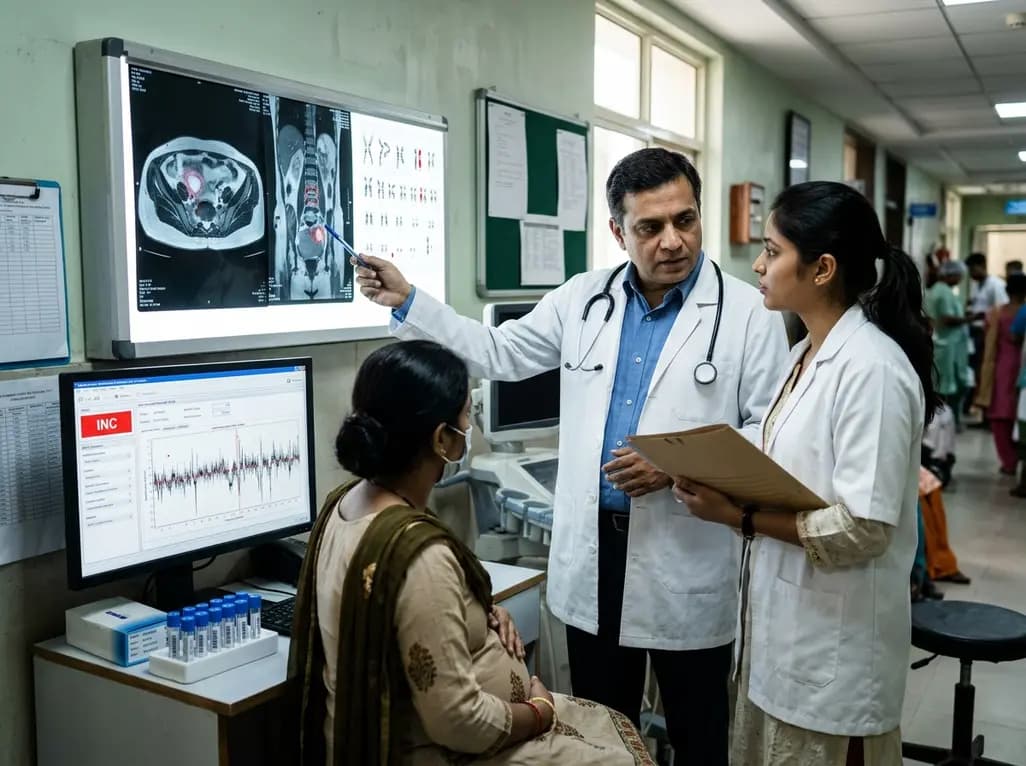
Occult maternal malignancy accounts for 3.82% of persistent unreportable NIPT results with genomic noise. Multiple chromosomal aberrations, notably on chromosome 18, warrant thorough oncological evaluation and whole-body MRI to ensure timely maternal diagnosis while preserving fetal care.
Today
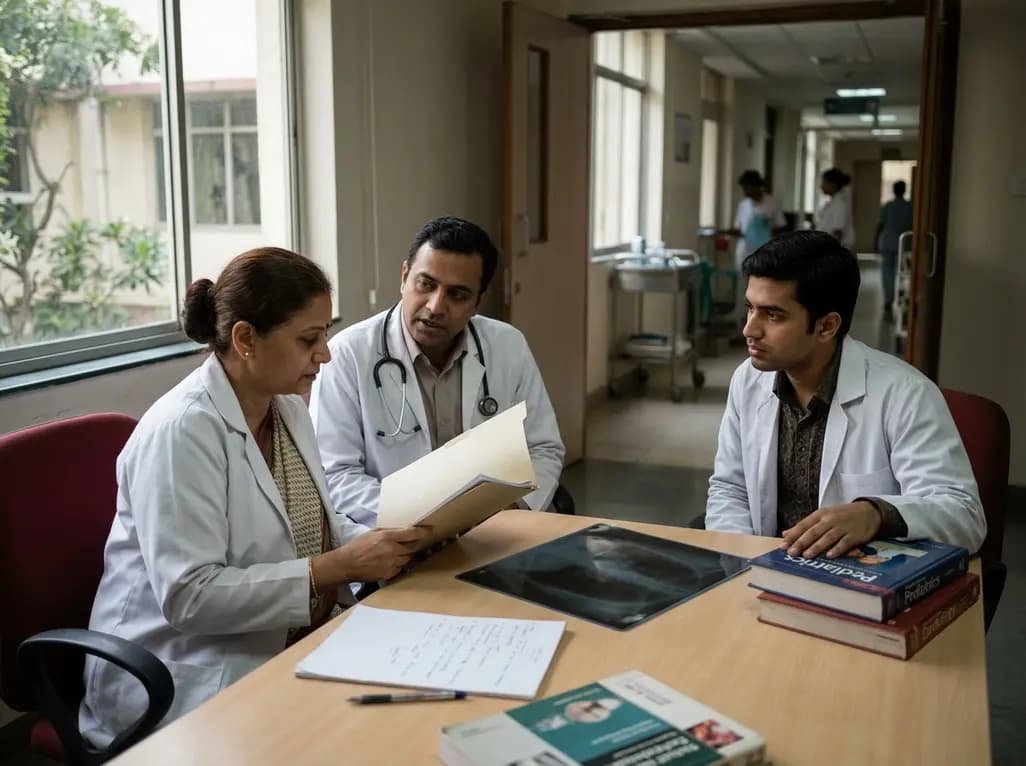
This article reviews the forensic and clinical complexities of acute myocarditis arising on left ventricular hypertrophy in children, highlighting early diagnostic red flags and multidisciplinary postmortem autopsy protocols.
Today

This comparative study evaluates posterior labral tears with and without glenohumeral instability, highlighting distinct demographic patterns, MRI underestimation in stable shoulders, and successful arthroscopic repair outcomes.
Yesterday

A clinical study demonstrates that early intervention with tocilizumab, either as monotherapy or bridged with corticosteroids, achieves significant proptosis reduction and resolves active inflammation in treatment-naive thyroid eye disease.
Yesterday
