.webp&w=384&q=75)

Loading, please wait...
Loading, please wait...
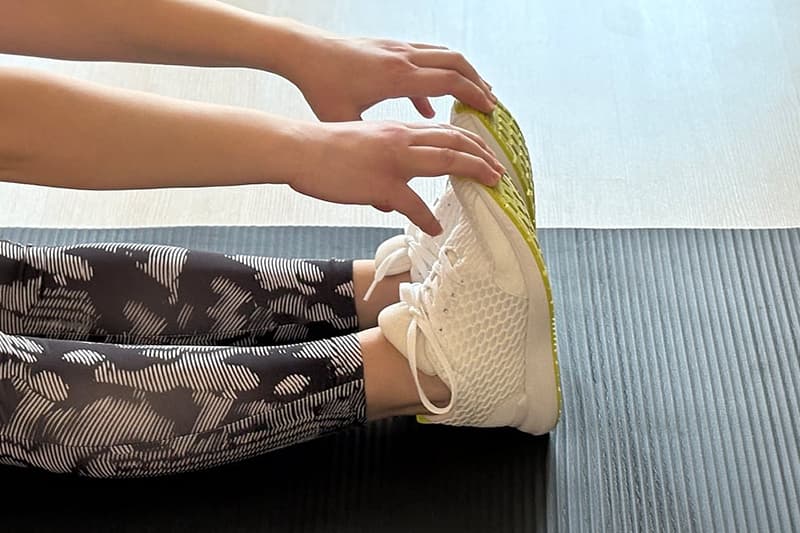
Recent research indicates that soleus push-ups offer a potent way to manage metabolic health while sedentary. This simple exercise involves lifting and lowering the heels while remaining seated. Consequently, it can reduce post-meal blood sugar spikes by up to 52 per cent. Furthermore, the insulin response may improve by 60 per cent during glucose tolerance tests. This finding is particularly relevant for those with limited mobility. Therefore, clinicians should consider these movements for diabetic patient care.
Skeletal muscles function as critical metabolic sinks in the human body. Specifically, these muscles account for nearly half of total body mass. They serve as the primary site for insulin-mediated glucose uptake. Researchers found that activating the lower-body muscles, such as the calves and thighs, improves vascular function. Moreover, performing passive stretching for 40 minutes can persistently enhance blood flow to the femur by 30 per cent. These physiological changes help stabilize glucose levels effectively.
Low-cost exercises like passive stretching and heel lifts provide accessible options for diabetes prevention. A moderate level of lower-body strength correlates with a 35 per cent lower risk of type 2 diabetes. These interventions help patients who cannot engage in traditional aerobic exercise. Because these movements require no equipment, clinical practice can easily incorporate them. Doctors may recommend these tools to improve insulin sensitivity in elderly patients. Consistency remains essential for achieving these metabolic benefits.
Q1: How do soleus push-ups differ from traditional calf raises?
Soleus push-ups are performed while sitting, which isolates the soleus muscle and minimizes the use of energy from other muscle groups.
Q2: Can these exercises replace walking or aerobic activity?
They serve as an excellent supplement for sedentary periods, though traditional aerobic exercise still offers unique cardiovascular advantages.
Q3: Are these movements safe for elderly patients with limited mobility?
Yes, since they are performed while seated and are non-weight-bearing, they are generally safe for those with physical limitations.
Disclaimer: This content is for informational and educational purposes only. It does not constitute medical advice or replace professional judgment. Refer to the latest local and national guidelines for clinical practice.
References

Read summarized clinical updates, watch expert medical content, and earn CME certifications right from your smartphone.
Open your smartphone camera to scan and install.





A new review suggests that performing soleus push-ups while sitting can significantly reduce post-meal blood sugar and insulin levels in sedentary populatio...
8 months ago

Review how tailored exercise programs benefit frail older patients with heart failure. Explore pathophysiological mechanisms, individualized training prescriptions, and strategies to overcome adherence barriers in clinical practice.
Today

Recent clinical studies reveal maternal autoantibodies targeting IL-1RA as potential triggers for preterm labor, opening avenues for targeted cytokine therapies. Concurrently, new perioperative findings show inhaled cannabis increases propofol requirements during upper endoscopy compared to oral edible consumption.
Today

In high-risk pulmonary embolism complicated by severe anemia and active uterine bleeding, systemic thrombolysis is contraindicated. Large-bore aspiration thrombectomy provides rapid hemodynamic rescue without fibrinolysis, supported by inferior vena cava filter placement and multidisciplinary critical care.
Today

This comparative study evaluates posterior labral tears with and without glenohumeral instability, highlighting distinct demographic patterns, MRI underestimation in stable shoulders, and successful arthroscopic repair outcomes.
Today

A clinical study demonstrates that early intervention with tocilizumab, either as monotherapy or bridged with corticosteroids, achieves significant proptosis reduction and resolves active inflammation in treatment-naive thyroid eye disease.
Today
