.webp&w=384&q=75)

Loading, please wait...
Loading, please wait...

Smoking cessation after STEMI is a critical component of secondary prevention for patients who have survived a heart attack. While healthcare providers have long advocated for quitting, new evidence clarifies how this change directly impacts the physical repair of the heart muscle. A prospective study using cardiac magnetic resonance imaging (CMR) has now provided objective evidence of improved myocardial recovery in patients who stop smoking.
In this comprehensive study, researchers tracked 672 patients following their first revascularized ST-elevation myocardial infarction. Interestingly, although the initial damage was comparable across all patient groups, the healing process diverged remarkably over twelve months. Patients who successfully quit smoking experienced a 62% reduction in infarct size. In contrast, those who continued to smoke only showed a 47% reduction. This data suggests that cigarette smoke significantly impairs the natural healing mechanisms of the heart.
Furthermore, the long-term clinical outcomes strongly support these imaging findings. Over a median follow-up of 3.4 years, the cessation group had a major adverse cardiac event (MACE) rate of just 5%. Conversely, persistent smokers faced a 11% risk of death or re-infarction. Consequently, the study highlights that smoking cessation after STEMI is not merely a risk reduction strategy but a necessary step for optimal tissue repair. Notably, Indian clinicians can use this visual MRI evidence to motivate patients during cardiac rehabilitation.
Additionally, the study found that the benefits were consistent across various demographics. Specifically, the reduction in MACE was strongly associated with the degree of infarct shrinkage observed on CMR. This reinforces the idea that quitting smoking facilitates better structural remodeling of the left ventricle.
Yes, this study demonstrates that patients who quit immediately after their first STEMI show significantly better infarct reduction on MRI within four to twelve months compared to those who continue smoking.
Cardiac MRI is a highly effective tool for evaluating infarct dynamics. It allows doctors to visualize the exact percentage of tissue recovery and the reduction in scar size over time.
In fact, the study found that persistent smokers have more than double the risk of major adverse cardiac events, including death and re-infarction, compared to those who give up smoking.
Disclaimer: This content is for informational and educational purposes only. It does not constitute professional medical advice, diagnosis, or treatment. Always seek the advice of your physician or other qualified healthcare provider with any questions you may have regarding a medical condition. Refer to the latest local and national guidelines for clinical practice.
References
Troger F et al. Smoking Cessation after first STEMI enhances Infarct Healing: a Cardiac MRI Study. Eur Heart J Cardiovasc Imaging. 2026 Mar 28. doi: undefined. PMID: 41904651.
Sabanoglu C et al. Association between inflammation and cigarette smoking in cardiac remodeling after acute myocardial infarction. Heart Vessels Transpl. 2022 Dec 14. doi: 10.24969/hvt.2022.355.
Suissa K et al. Smoking Cessation Strategies After Acute Coronary Syndrome. MDPI. 2025 Feb 19. doi: 10.3390/healthcare13040375.
"
Read summarized clinical updates, watch expert medical content, and earn CME certifications right from your smartphone.
Open your smartphone camera to scan and install.





A cardiac MRI study of 672 patients reveals that smoking cessation after a first STEMI leads to superior infarct healing and a 50% reduction in long-term MA...
3 months ago
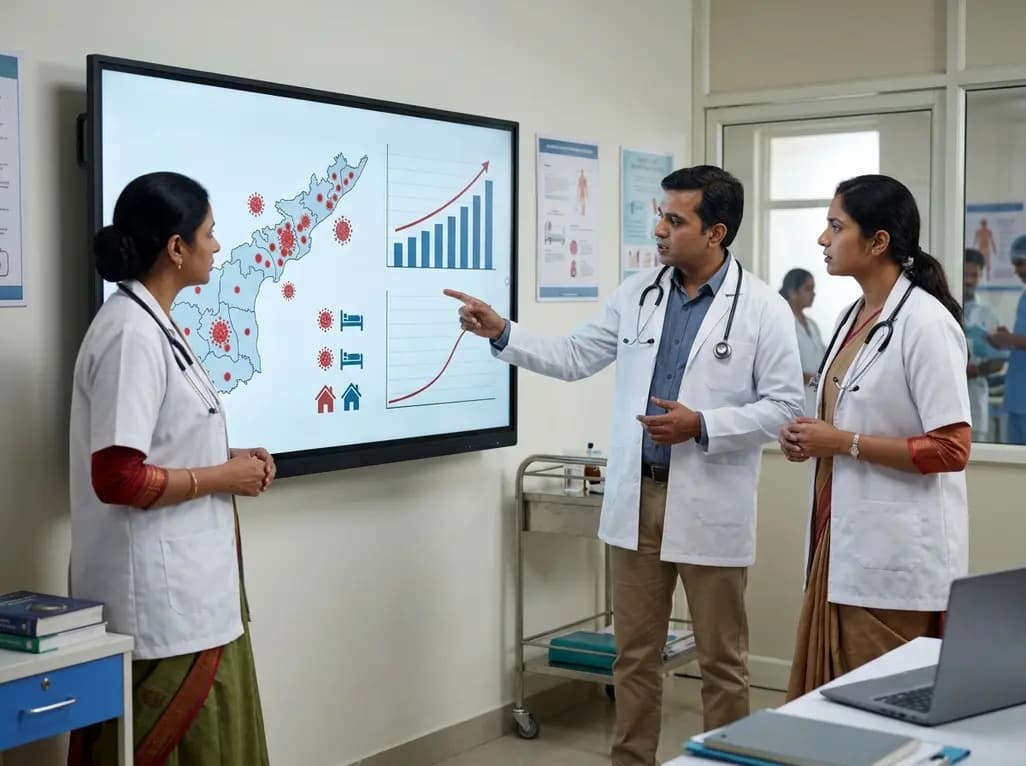
Andhra Pradesh reported 10 new Covid-19 cases, taking the state tally to 49 while deaths remain at four. With 24 patients hospitalized and 16 under home isolation, the Health Department has intensified monitoring. Medical professionals should review regional distribution, diagnostic protocols, and management plans.
Today

An 11-year Swedish registry study of 618 uterine sarcoma patients found that minimally invasive surgery yielded survival comparable to open surgery in early stages. However, adjuvant chemotherapy conferred no survival benefit in localized or advanced disease, highlighting stage and histology as key outcomes.
3 days back
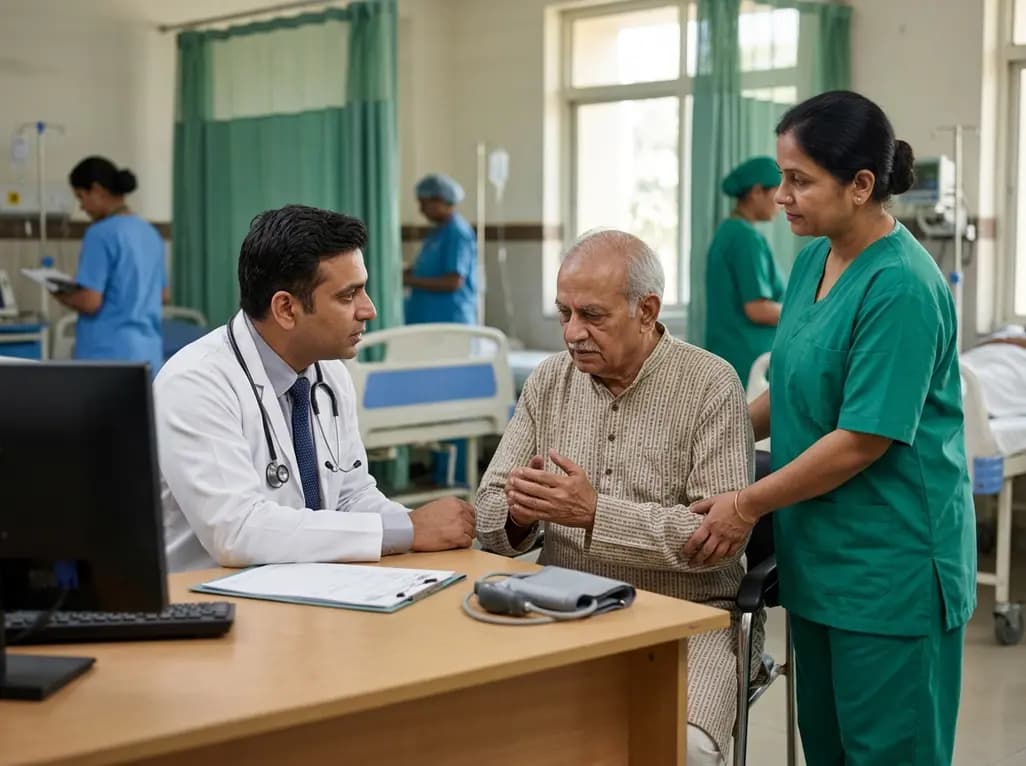
A cross-sectional study evaluates post-intensive care syndrome in cardiac patients 2-4 weeks post-ICU discharge, highlighting cognitive, psychological, and functional impairments and the need for structured multidisciplinary rehabilitation.
3 days back
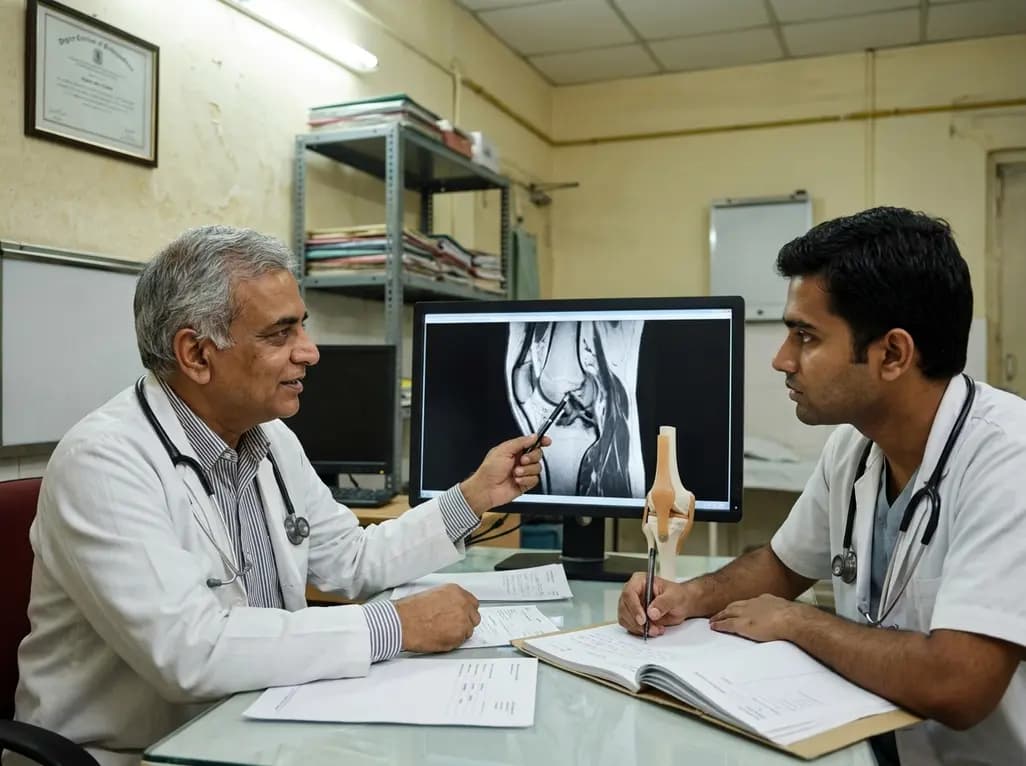
Anterior cruciate ligament reconstruction failure lacks uniform definition. A narrative review proposes an integrative framework incorporating objective and subjective instability, persistent pain, restricted motion, graft rupture, and secondary meniscal injury to standardize clinical reporting.
3 days back
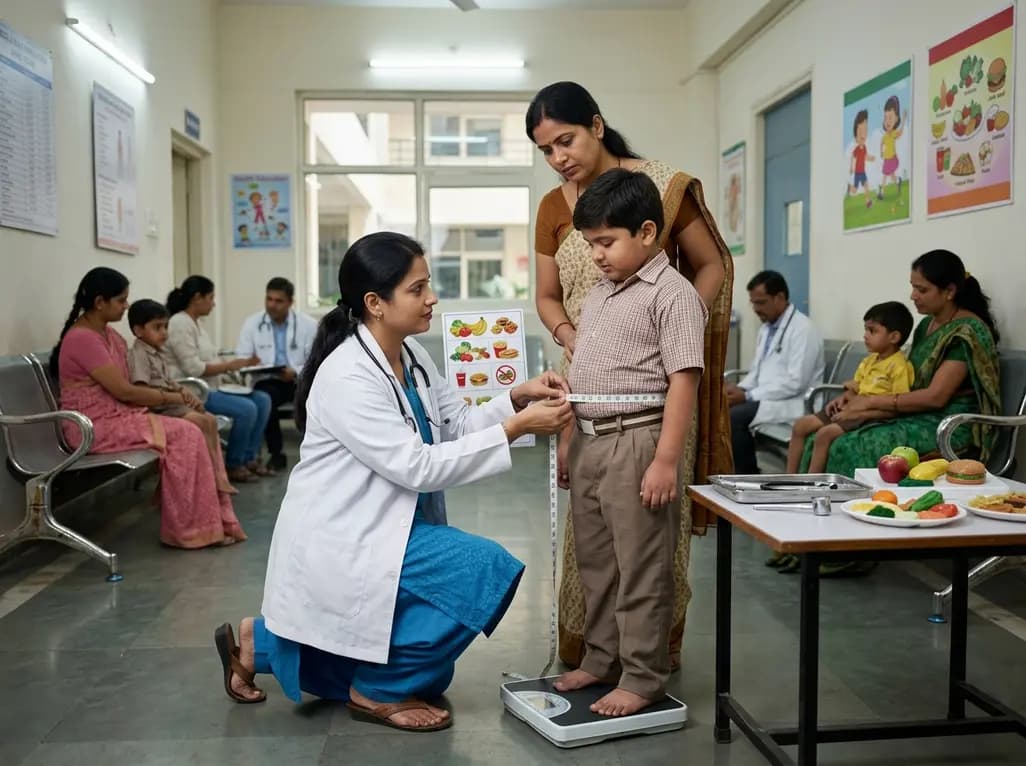
With World Obesity Atlas data warning that over 41 million Indian children are overweight or obese, ICMR and NIN have unveiled a 10-point policy roadmap. The initiative calls for mandatory front-of-pack labeling, HFSS taxes, strict marketing bans, and healthier school environments to curb non-communicable diseases.
Today
