.webp&w=384&q=75)

Loading, please wait...
Loading, please wait...

University dancers often face intense physical demands alongside rigorous academic requirements. Consequently, they experience significant psychological and physical stress throughout the academic year. This pressure frequently compromises their overall health-related quality of life (HRQoL). Maintaining optimal sleep quality in dancers is essential for both performance and injury prevention. However, longitudinal data regarding how these variables fluctuate over a full year remains limited.
A recent study monitored twenty-two university dancers across eight specific time points during the 2021-2022 academic year. The researchers utilized the Short-Form 20 (SF-20) and the Athlete Sleep Screening Questionnaire to gather data. The results indicated that correlations between HRQoL and sleep were significant at four out of the eight time points. Therefore, as sleep difficulty increased, the quality of life scores generally decreased. Furthermore, both variables showed significant changes as the academic year progressed, suggesting that dancers are particularly vulnerable at specific intervals.
Clinicians and educators must recognize the patterns of decline in wellness metrics. Because the study showed significant fluctuations, targeted interventions during peak academic stress periods may be beneficial. For instance, incorporating sleep hygiene education into the curriculum could mitigate some of the negative effects. Additionally, sports medicine professionals should monitor these athletes for signs of burnout. Ultimately, addressing sleep quality in dancers is a vital component of holistic athletic care.
Sleep is critical for cognitive function and physical recovery. Poor sleep quality can lead to slower reaction times, decreased coordination, and a higher risk of musculoskeletal injuries.
Common indicators include persistent fatigue, mood disturbances, social withdrawal, and a decline in academic or athletic performance.
Dancers must balance rehearsal schedules and performances with examinations and coursework. This dual load creates unique stressors that can disrupt sleep-wake cycles.
Disclaimer: This content is for informational and educational purposes only. It does not constitute professional medical advice, diagnosis, or treatment. Always seek the advice of your physician or other qualified health provider with any questions you may have regarding a medical condition. Refer to the latest local and national guidelines for clinical practice.
References
Fauntroy V et al. Health-Related Quality of Life and Sleep Patterns in University Dancers Over an Academic Year. J Dance Med Sci. 2026 Feb 22. doi: 10.1177/1089313X261420373. PMID: 41723597.
Smith RS, et al. Sleep health and athletic performance. Sports Med. 2023;53(1):12-25.
Roberts CA, et al. Quality of life and psychological well-being in performing artists. Medical Problems of Performing Artists. 2022;37(2):88-94.
"
Read summarized clinical updates, watch expert medical content, and earn CME certifications right from your smartphone.
Open your smartphone camera to scan and install.





This study tracks changes in sleep quality and health-related quality of life among university dancers across eight time points in an academic year....
8 months ago
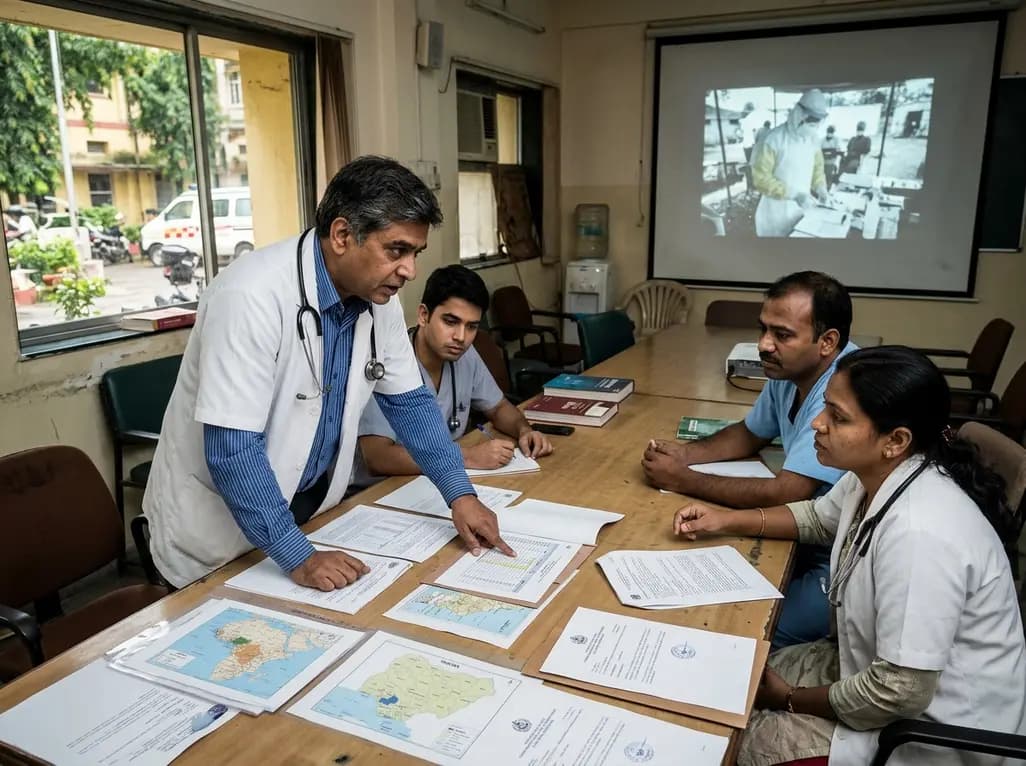
Following Nigeria's first recorded Ebola case linked to regional travel, the Africa CDC has convened an emergency ministerial summit. This alert underscores critical clinical priorities for healthcare professionals, including differentiating early viral infection from malaria, implementing barrier nursing, and triage.
Today

Leucine Rich Bio has introduced South Asia's first comprehensive vaginal microbiome test, BugSpeaks. By profiling microbial dysbiosis, pathogens, and antimicrobial resistance, this next-generation diagnostic platform provides clinicians with deeper insights into recurrent infections, fertility, and reproductive health.
Today

Review how tailored exercise programs benefit frail older patients with heart failure. Explore pathophysiological mechanisms, individualized training prescriptions, and strategies to overcome adherence barriers in clinical practice.
Today

This comparative study evaluates posterior labral tears with and without glenohumeral instability, highlighting distinct demographic patterns, MRI underestimation in stable shoulders, and successful arthroscopic repair outcomes.
Today

A clinical study demonstrates that early intervention with tocilizumab, either as monotherapy or bridged with corticosteroids, achieves significant proptosis reduction and resolves active inflammation in treatment-naive thyroid eye disease.
Today
