.webp&w=384&q=75)

Loading, please wait...
Loading, please wait...

Managing Duchenne muscular dystrophy (DMD) has entered a new era with the approval of delandistrogene moxeparvovec-rokl. However, clinicians must vigilantly monitor for AAV gene therapy hepatotoxicity, a potentially life-threatening complication. While standard protocols utilize high-dose corticosteroids, some patients exhibit a refractory response. Recent clinical evidence suggests that sirolimus offers a viable solution for these difficult cases.
A recent case series involving four male patients aged 5 to 16 highlighted the subacute nature of liver inflammation. These patients developed significant hepatic enzyme elevations five to seven weeks after receiving the gene therapy. Despite receiving chronic corticosteroids prior to treatment, the children showed persistent laboratory abnormalities. Consequently, the medical team introduced oral sirolimus to modulate T-cell activity more effectively.
The introduction of sirolimus produced a remarkable improvement in hepatic markers. Within two to four weeks, gamma-glutamyl transferase normalized and transaminase levels dropped significantly. Clinicians maintained trough levels between 3 and 7 ng/ml, which allowed for a successful weaning of corticosteroids over four to twelve weeks. Notably, no patients experienced serious infections or hepatic synthetic dysfunction during this period.
Furthermore, this management strategy aligns with emerging research into mTOR inhibitors for immune-mediated complications. By targeting T-cell proliferation, sirolimus provides a more specific immunomodulatory effect than broad-spectrum steroids. Therefore, this case series supports using sirolimus as a secondary agent in the safety protocol for AAV-mediated therapies.
Common signs include elevated liver enzymes like ALT and AST, which usually occur within the first few months. Patients may also experience nausea, vomiting, or yellowing of the skin and eyes.
Sirolimus acts as an mTOR inhibitor, specifically targeting T-cell pathways. This provides a more focused immunosuppressive effect when standard corticosteroids fail to control the inflammatory response against the AAV vector.
Disclaimer: This content is for informational and educational purposes only... Refer to the latest local and national guidelines for clinical practice.
References
Leon-Astudillo C et al. Sirolimus for the treatment of steroid-refractory hepatotoxicity following AAV gene therapy in patients with Duchenne muscular dystrophy. J Neuromuscul Dis. 2026 Mar 19. doi: 10.1177/22143602261424971. PMID: 41854298.
Sarepta Therapeutics. Elevidys (delandistrogene moxeparvovec-rokl) [Prescribing Information]. 2025.
FDA. FDA Approves New Safety Warning and Revised Indication for ELEVIDYS. 2025.

Read summarized clinical updates, watch expert medical content, and earn CME certifications right from your smartphone.
Open your smartphone camera to scan and install.





A case series demonstrates that sirolimus successfully manages steroid-refractory hepatotoxicity in DMD patients following AAV-mediated gene therapy....
7 months ago
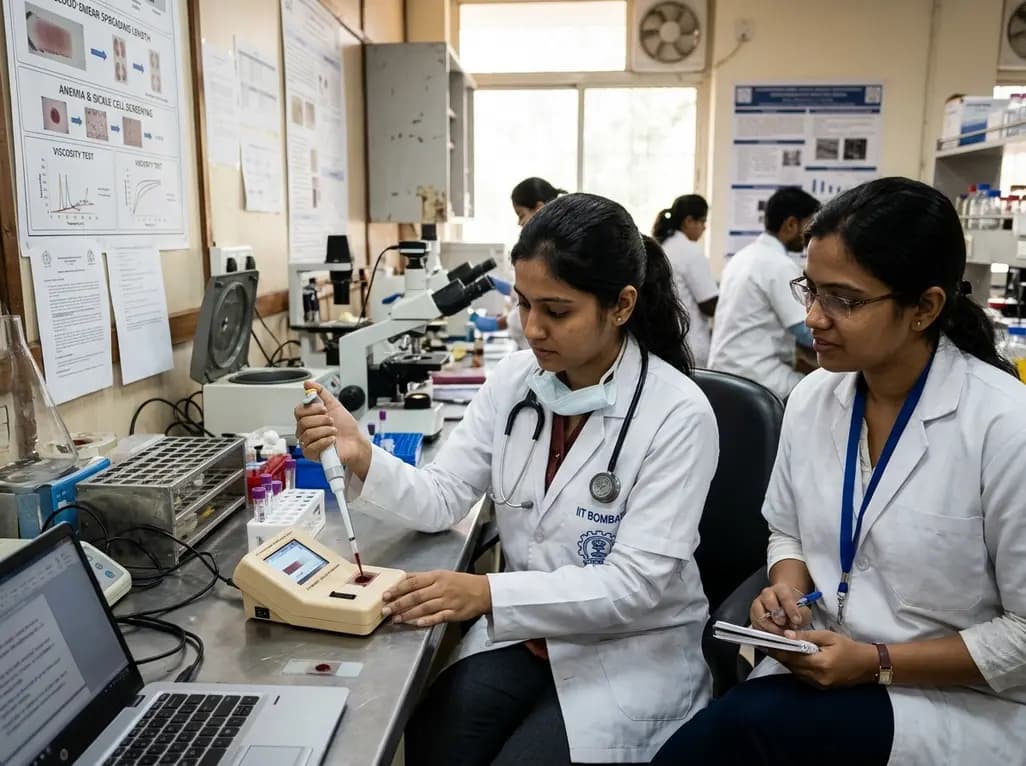
Researchers at IIT Bombay have engineered an automated, cost-effective point-of-care device that diagnoses anaemia and sickle cell disease from a single drop of blood. By measuring blood smear spreading length, this portable tool assesses blood viscosity to offer rapid screening in resource-limited healthcare centers.
Today

A population-based study of 20,928 children reveals that small vulnerable newborns face sex-divergent mental capital outcomes at ages 6-7: term SGA girls show higher behavioral difficulties and lower resilience, while preterm non-SGA boys experience increased behavioral problems.
Today
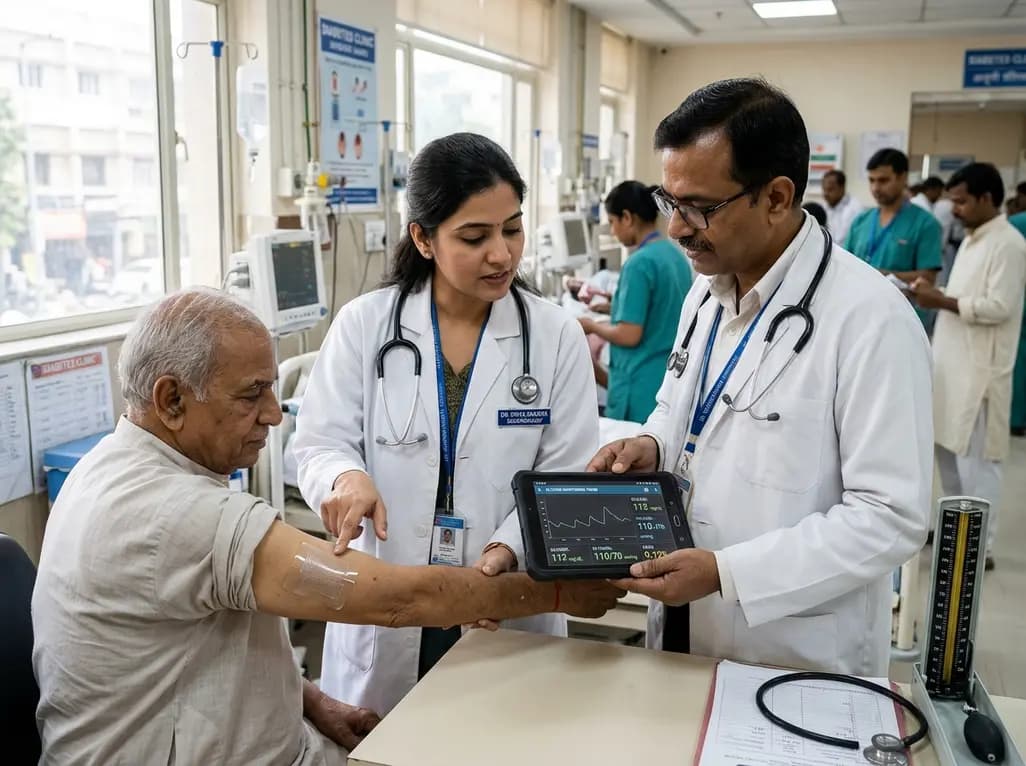
A breakthrough ultrathin multimodal sensor decouples physical hemodynamic monitoring from disposable electrochemical calibration, achieving long-term wearable glucose prediction with 81.36% accuracy and a 9.12% MARD. This offers a robust, drift-free solution for outpatient metabolic surveillance.
Today
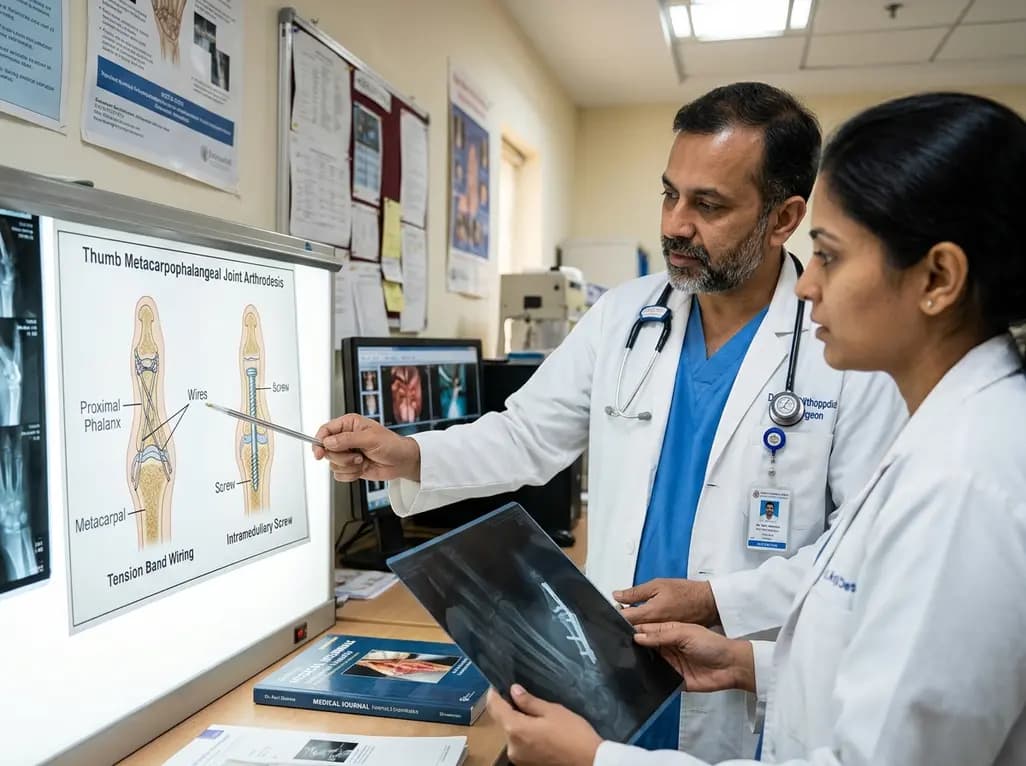
A comparative review of tension band wiring and intramedullary screw fixation in thumb metacarpophalangeal arthrodesis, evaluating union rates, hardware complications, and clinical outcomes.
Today

Following regulatory scrutiny from FSSAI regarding promotional representations and lean muscle preservation claims, Dr. Reddy's Laboratories and Nestlé Health Science are currently reviewing the branding and marketing strategy for their joint nutritional supplement Celevida GLP+.
Today
