.webp&w=384&q=75)

Loading, please wait...
Loading, please wait...

Sensory ataxic GBS rehabilitation presents a unique clinical challenge because this rare Guillain-Barré syndrome variant lacks the typical motor weakness seen in classic cases. Instead, patients present with profound proprioceptive loss and severe limb or trunk ataxia. Consequently, clinicians must develop specialized recovery protocols that prioritize sensory re-education and safety. Specifically, a recent case report involving a 75-year-old male highlights the persistent difficulties in regaining independent walking after intravenous immunoglobulin (IVIg) therapy. However, structured multidisciplinary care remains the cornerstone of long-term functional improvement.
Therapeutic interventions for this condition focus heavily on stabilizing the patient's balance and coordination. Therefore, physical therapists utilize intensive standing and gait training to mitigate the risks associated with severe ataxia. Furthermore, occupational therapists target activities of daily living (ADLs) to help patients compensate for reduced sensory feedback. Notably, in cases where sensory recovery remains slow, maintaining muscle strength and joint range of motion becomes a priority. Moreover, clinicians must adjust the level of physical assistance dynamically as the patient demonstrates improved trunk control and confidence.
In the documented case, the patient transitioned to a rehabilitation hospital one month after acute treatment. Over the following 21 weeks, he achieved significant milestones despite initial setbacks. Although independent walking remained elusive, he successfully mastered wheelchair transfers and independent wheelchair mobility. His Scale for the Assessment and Rating of Ataxia (SARA) score notably dropped from 31 to 20, indicating measurable progress. Ultimately, early and aggressive rehabilitation prevents secondary functional decline during the acute phase. This proactive approach provides the best chance for patients to regain their independence and quality of life.
Recovery is often prolonged compared to motor-dominant variants. Clinicians often observe that patients require five months or more of intensive inpatient rehabilitation to achieve significant functional mobility milestones.
Physical therapy focuses on high-repetition balance exercises and environmental adaptations. Because proprioceptive feedback is impaired, therapists use visual cues and weighted equipment to help the patient orient their body in space.
Disclaimer: This content is for informational and educational purposes only. It does not constitute medical advice or establish a doctor-patient relationship. Always seek the advice of a qualified healthcare provider regarding any medical condition. Refer to the latest local and national guidelines for clinical practice.
References
Kinoshita T et al. Rehabilitation challenges and progress in a patient with sensory ataxic Guillain-Barré syndrome: a case report. Physiother Theory Pract. 2026 Feb 20. doi: 10.1080/09593985.2026.2635043. PMID: 41717799.
Kofahi R, Aldabbour B, Aljezawi M. A Rare Case with New Insights: Pure Sensory Guillain Barre Syndrome with Axonal Features. J Multidiscip Healthc. 2020 Oct 20;13:1231-1236. doi: 10.2147/JMDH.S272462.
Goodwin A. Motor and Sensory Recovery through Early Physical Therapy in GBS. Int J Neurorehabilitation. 2025 Feb 28;12(1):1-2.

Read summarized clinical updates, watch expert medical content, and earn CME certifications right from your smartphone.
Open your smartphone camera to scan and install.





A case report details the rehabilitation journey of a patient with sensory ataxic GBS, highlighting strategies to manage severe ataxia and improve mobility....
8 months ago

Following regulatory scrutiny from FSSAI regarding promotional representations and lean muscle preservation claims, Dr. Reddy's Laboratories and Nestlé Health Science are currently reviewing the branding and marketing strategy for their joint nutritional supplement Celevida GLP+.
Today
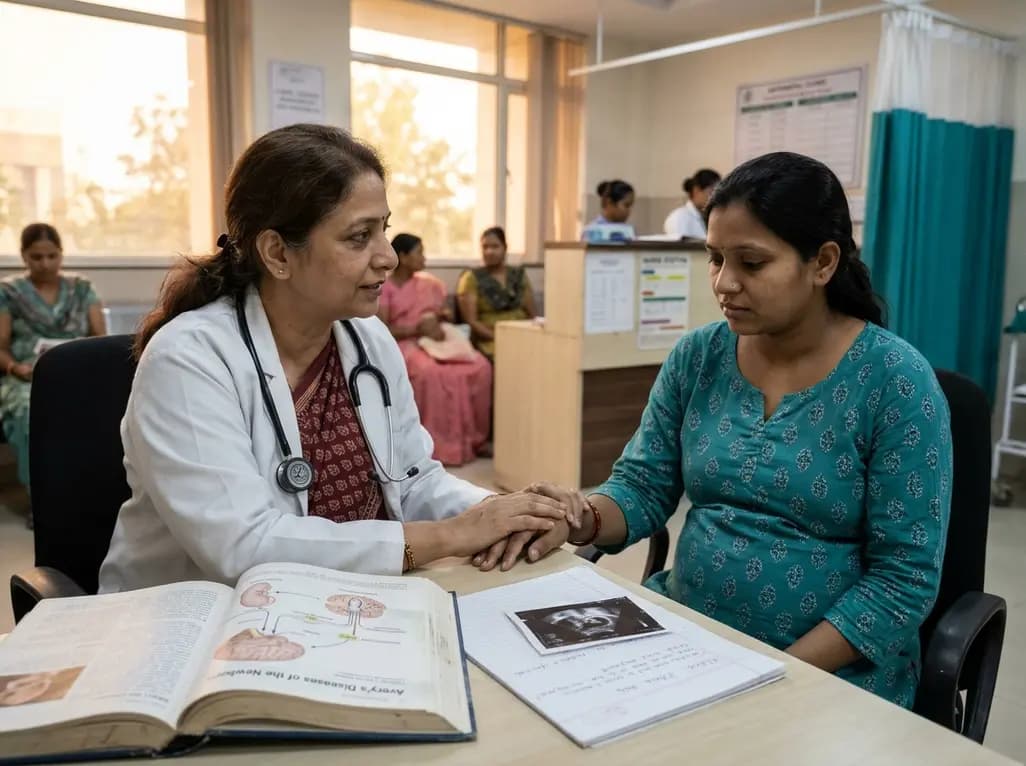
A comprehensive scoping review synthesises evidence linking prenatal maternal mental health to long-term offspring neurodevelopment, evaluating neuroendocrine, inflammatory, and epigenetic pathways while highlighting clinical screening and future research priorities.
Today

The Directorate General of Health Services directs Indian states to halt the hazardous reuse and reprocessing of single-use medical devices. Discover regulatory implications under the Drugs and Cosmetics Act, critical infection risks, legal liabilities, and operational changes required across clinical specialties.
Today
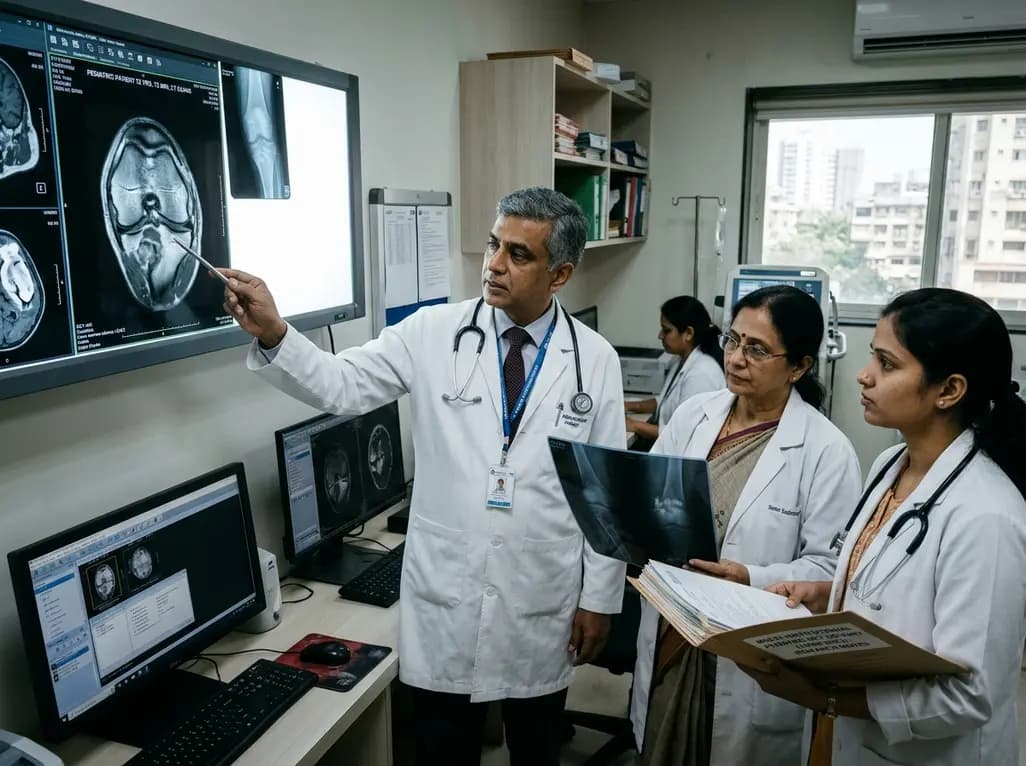
A 25-year multi-institutional cohort reveals high recurrence rates in pediatric giant cell tumor of bone, particularly in patients with open physes and bone marrow edema on preoperative MRI. Early surveillance and careful balance between growth plate preservation and tumor clearance are essential.
Today

India is advancing preventive healthcare by integrating genomics, artificial intelligence, and quantum technologies. With the SANGAM programme sequencing one million Indian genomes, clinicians can unlock personalized therapies, detect cardiometabolic risks early, and curb the burden of diabetes and heart disease.
Today
