.webp&w=384&q=75)

Loading, please wait...
Loading, please wait...

Salivary diagnostics with µPADs are emerging as a vital tool in modern medicine. These microfluidic paper-based analytical devices (µPADs) have evolved from simple strips into complex lab-on-a-chip systems. Researchers are now focusing on their application in salivary testing due to the non-invasive nature of sample collection. Consequently, these devices offer a low-risk alternative to traditional blood draws. This technology is particularly relevant in India, where resource-limited settings require affordable and rapid diagnostic solutions.
Saliva contains a wealth of biochemical information, including enzymes, hormones, and nucleic acids. Therefore, it serves as a \"mirror of the body\" for various systemic conditions. Specifically, µPADs utilize colorimetric and electrochemical detection strategies to identify key biomarkers. Furthermore, these tools align perfectly with the WHO's ASSURED criteria. This alignment ensures that diagnostics remain affordable, sensitive, and user-friendly for primary care providers. Moreover, ongoing advances are resolving challenges like biomarker variability and sample pretreatment integration.
In fact, the scientific community is actively working to compare these devices with conventional laboratory methods. While some biomarkers are already clinically established, others require more rigorous screening. Nevertheless, the integration of sample preparation on-chip marks a significant step forward. In addition, these portable systems reduce the need for expensive infrastructure. As a result, they empower healthcare workers in remote areas to make timely clinical decisions.
Saliva collection is non-invasive and stress-free for the patient. It also reduces the risk of needle-stick injuries and cross-contamination during handling.
Yes, µPADs follow the WHO ASSURED criteria. They are designed to be affordable, equipment-free, and easy to use without specialized laboratory training.
Current research investigates a variety of biomarkers, including glucose, proteins, hormones, and specific enzymes linked to systemic and oral diseases.
Disclaimer: This content is for informational and educational purposes only. It does not constitute medical advice or a professional relationship. Refer to the latest local and national guidelines for clinical practice.
References
Sousa LR et al. Exploring the role of microfluidic paper-based analytical devices in salivary diagnostics: from concept to clinical applications. Analyst. 2026 Apr 10. doi: 10.1039/d5an01316j. PMID: 41961473.
Zhang L, Xiao H, Wong DT. Salivary biomarkers for clinical applications. Mol Diagn Ther. 2009;13(4):245-59. doi: 10.1007/BF03256330. PMID: 19712004.
Martinez AW, Phillips ST, Whitesides GM, Carrilho E. Diagnostics for the developing world: microfluidic paper-based analytical devices. Anal Chem. 2010 Jan 1;82(1):3-10. doi: 10.1021/ac901398w. PMID: 20002831.

Read summarized clinical updates, watch expert medical content, and earn CME certifications right from your smartphone.
Open your smartphone camera to scan and install.





Explore how microfluidic paper-based analytical devices (µPADs) are transforming salivary diagnostics into a non-invasive, accessible tool for global health...
6 months ago
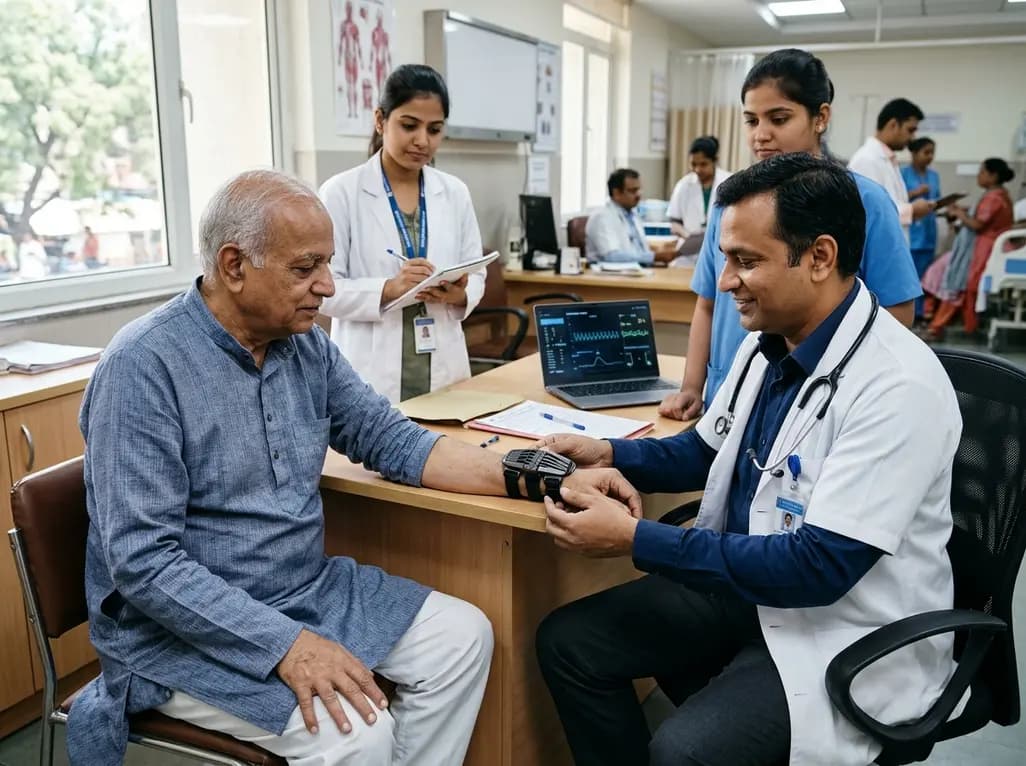
The TREM-AB open-label pilot study evaluated a wearable passive nonlinear vibration absorber for essential tremor. The Nonlinear Energy Sink bracelet reduced clinical Fahn-Tolosa-Marin tremor scores by 32.1% and electrophysiological tremor power by 49.2% with no adverse effects reported.
Today
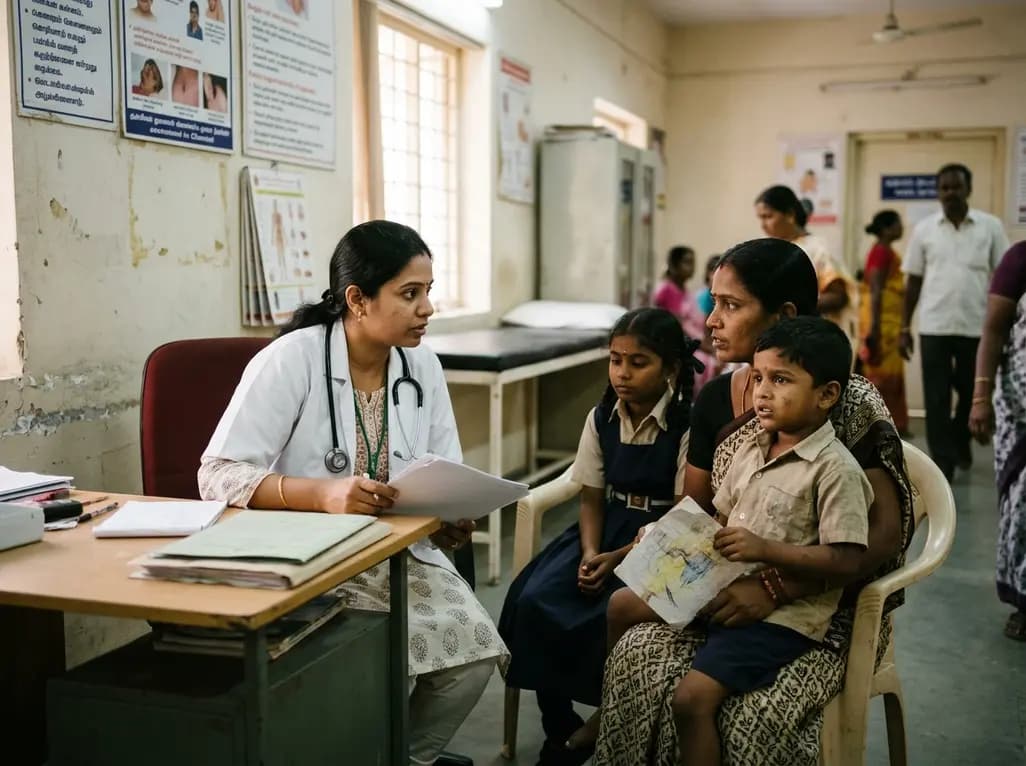
A population-based study of 20,928 children reveals that small vulnerable newborns face sex-divergent mental capital outcomes at ages 6-7: term SGA girls show higher behavioral difficulties and lower resilience, while preterm non-SGA boys experience increased behavioral problems.
Today
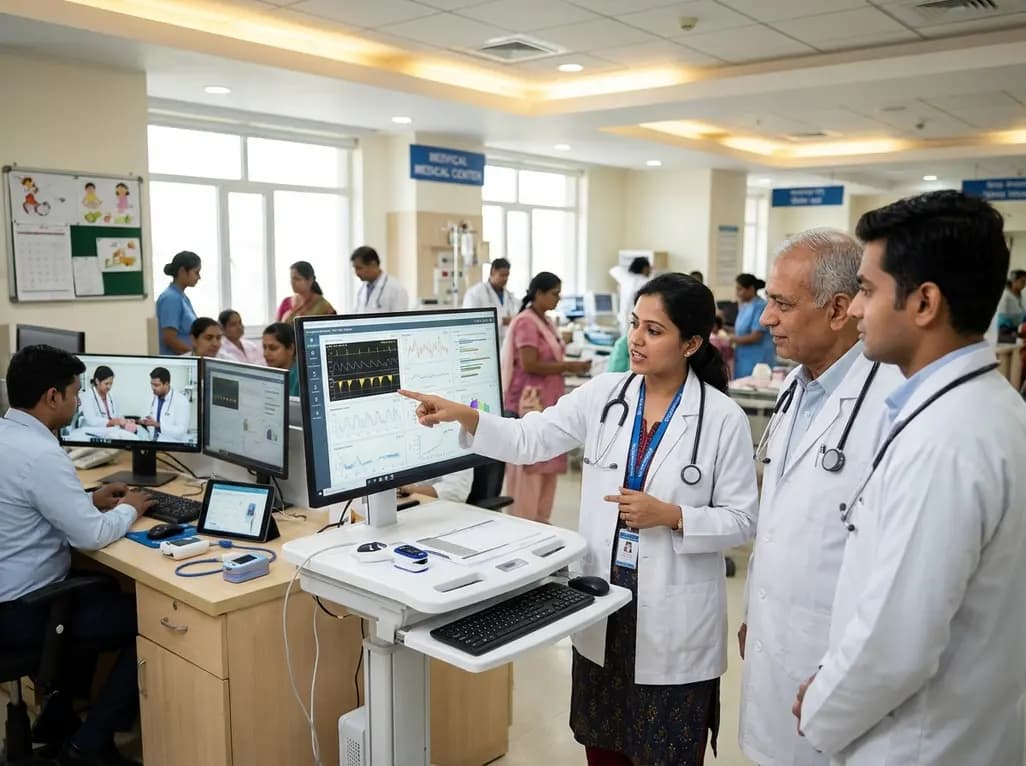
A landmark study details how an enterprise pediatric remote patient management model expanded from a single cardiology pilot to 16 diverse specialty programs by combining centralized digital operations with specialty clinical leadership.
Today
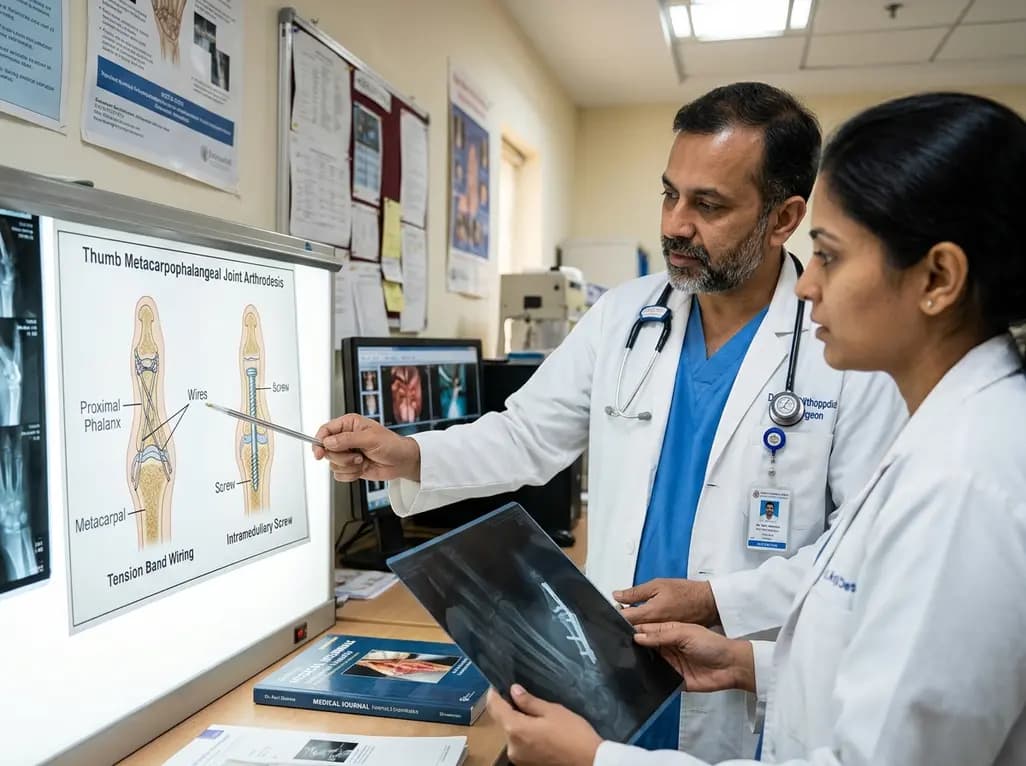
A comparative review of tension band wiring and intramedullary screw fixation in thumb metacarpophalangeal arthrodesis, evaluating union rates, hardware complications, and clinical outcomes.
Today
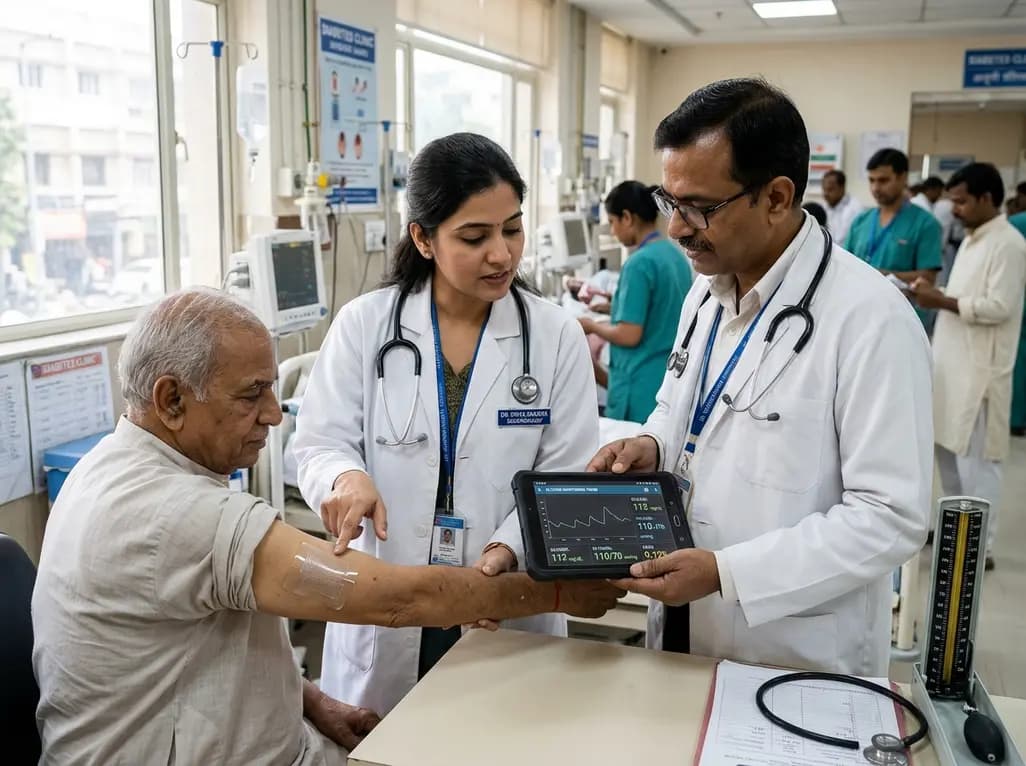
A breakthrough ultrathin multimodal sensor decouples physical hemodynamic monitoring from disposable electrochemical calibration, achieving long-term wearable glucose prediction with 81.36% accuracy and a 9.12% MARD. This offers a robust, drift-free solution for outpatient metabolic surveillance.
Today
