.webp&w=384&q=75)

Loading, please wait...
Loading, please wait...

Influenza A viruses continue to pose significant global health threats due to their rapid evolution. Consequently, many circulating strains have developed resistance to traditional adamantane-based drugs like rimantadine. Researchers are now investigating novel chemical scaffolds to overcome this challenge and improve Resistant Influenza A treatment options. Recent studies focus on modifying organic adamantane structures and exploring inorganic boron clusters to enhance antiviral efficacy.
Scientists recently synthesized a series of adamantane-based amino acid derivatives using γ-aminobutyric acid (GABA) as a spacer. They evaluated these compounds against resistant H1N1pdm09 strains in vitro. The results demonstrated that the chemical structure significantly impacts antiviral activity. Specifically, the presence of an L-tryptophan (Trp) residue proved essential for effectively inhibiting virus replication. This specific derivative showed potent activity with an IC50 of 0.5 µg/mL. Furthermore, the length of the spacer and the specific amino acid functionalization play vital roles in how these molecules interact with viral targets.
The study also compared these organic adamantane derivatives with inorganic closo-decaborate anions. These boron clusters were functionalized with identical amino acid residues to observe differences in performance. Although adamantane remains a classic scaffold, the inorganic clusters offer unique structural benefits. Combining these two distinct scaffolds could pave the way for more robust therapeutic compositions. Moreover, these hybrid molecules might offer improved safety profiles and higher efficacy against multi-drug resistant strains. This innovative approach represents a significant step forward in Resistant Influenza A treatment research.
This comparative analysis highlights the potential of merging inorganic and organic chemistry. By leveraging the stability of boron clusters and the proven targeting of adamantane, clinicians may eventually have access to more durable antivirals. However, further clinical trials are necessary to determine the safety and pharmacokinetics of these compounds in human subjects. Nevertheless, the current findings provide a promising foundation for future drug development.
L-tryptophan acts as a crucial residue that facilitates the inhibition of influenza virus replication. In the study, derivatives containing L-tryptophan exhibited significantly higher potency compared to those with other amino acids like histidine or methionine.
Boron clusters, specifically closo-decaborate anions, are inorganic scaffolds. They are used in medicinal chemistry due to their unique geometry and stability, which can enhance the delivery and efficacy of antiviral functional groups.
No, these findings are based on in vitro laboratory studies. While promising for the future of resistant influenza therapy, these compounds must undergo extensive clinical testing before becoming available to patients.
Disclaimer: This content is for informational and educational purposes only. It does not constitute medical advice or a recommendation for any specific treatment. Refer to the latest local and national guidelines for clinical practice.
References
Garaev TM et al. Boron Clusters Versus Adamantane: A Comparative Study of Inorganic and Organic Scaffolds Against Resistant Influenza A. ChemMedChem. 2026 Feb 12. doi: 10.1002/cmdc.202501051. PMID: 41678266.
World Health Organization. Influenza (Seasonal) Fact Sheet. 2024.
Centers for Disease Control and Prevention. Influenza Antiviral Drug Resistance. 2023.
"
Read summarized clinical updates, watch expert medical content, and earn CME certifications right from your smartphone.
Open your smartphone camera to scan and install.





A comparative study explores adamantane-based derivatives and boron clusters as potent inhibitors for rimantadine-resistant Influenza A virus strains....
7 months ago
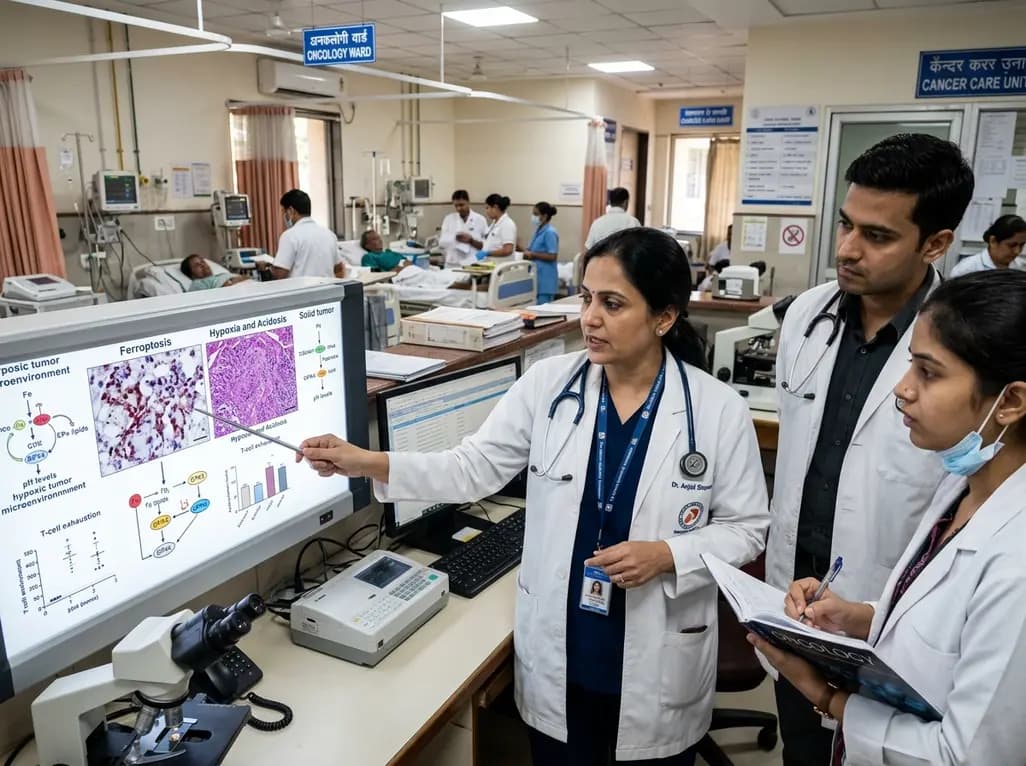
Targeting ferroptosis provides a compelling strategy to dismantle hypoxia- and acidosis-driven immunosuppression in solid tumors, enhancing response to modern immunotherapy.
Today

Findings from Project Viva indicate that sustained postpartum weight retention, rather than excessive gestational weight gain alone, directly worsens women's mid-life cardiovascular health, degrading blood pressure and glycemic parameters decades after delivery.
Today
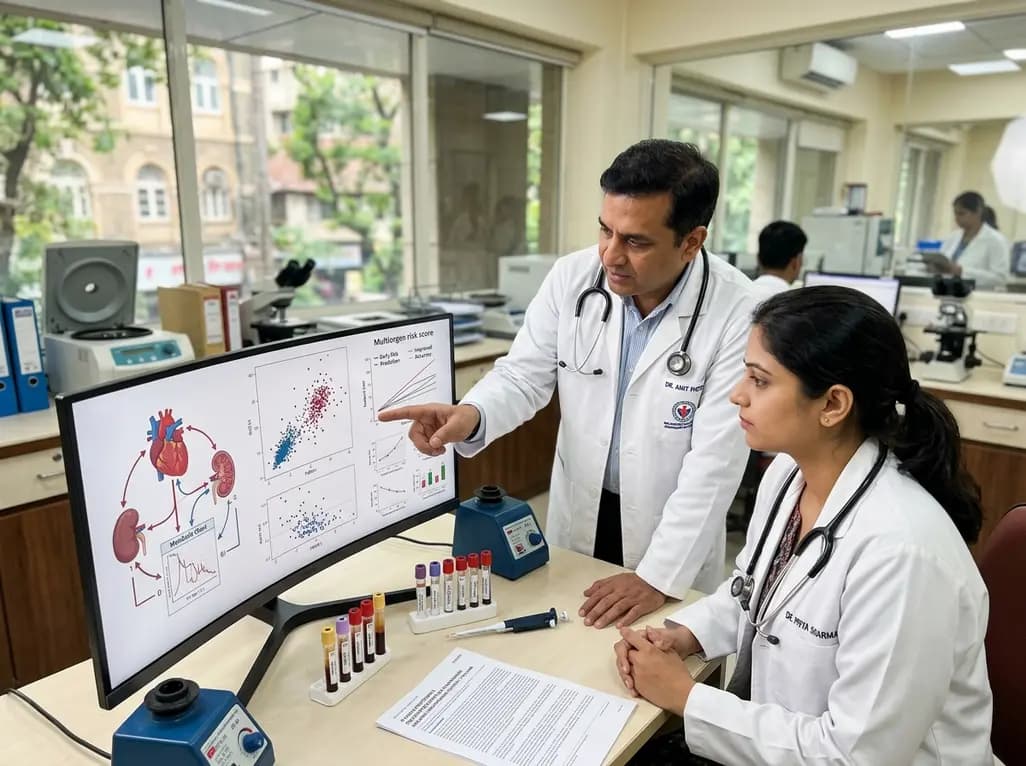
A large UK Biobank study reveals that plasma proteomic signatures capture preclinical organ damage and improve multiorgan risk prediction across early CKM syndrome stages 0 to 2 beyond traditional PREVENT clinical models.
Today

A retrospective CBCT study reveals that superior TMJ space asymmetry correlates moderately with occipital condyle-atlas-axis asymmetry in unilateral TMJ osteoarthritis, highlighting an imaging correlate between jaw biomechanics and upper cervical alignment rather than a standalone diagnostic marker.
Today

A Bayesian multilevel meta-analysis reveals that aerobic training combined with moderate carbohydrate restriction modestly lowers HbA1c in type 2 diabetes. However, sparse data and very low certainty leave incremental benefits over exercise or diet alone unproven, highlighting the need for individualized care.
Today
