.webp&w=384&q=75)

Loading, please wait...
Loading, please wait...

Ensuring effective radiation protection for women in the healthcare sector is vital for safeguarding both maternal and fetal health. Recent legislation in Japan stipulates an effective dose limit of 5 mSv every three months for female radiation workers of reproductive age. This regulation focuses on protecting the fetus by treating it with the same safety standards as the general public. Consequently, maintaining these unique limits requires a deep understanding of when healthcare professionals become aware of their pregnancy.
A recent survey involving over 2,000 participants highlights critical findings regarding pregnancy detection. Researchers found that pregnant women typically become aware of their condition at 5.2 weeks of gestational age. Furthermore, this specific timeframe coincides with high sensitivity for embryonic deaths and malformations. Specifically, only 1.2% of healthcare workers surveyed deemed the 5 mSv limit unnecessary. Therefore, this threshold remains an important criterion for female workers to engage in their professional duties safely and securely.
The Japanese model aligns with the ethical foundations set by the International Commission on Radiological Protection (ICRP). However, different countries often adopt varying thresholds based on local regulatory bodies. For instance, the Atomic Energy Regulatory Board (AERB) in India maintains its own set of stringent guidelines for occupationally exposed women. Moreover, consistent radiation control practices ensure that fetal exposure remains below critical levels throughout the gestation period. Consequently, these measures provide a reasonable framework for managing occupational risks in medical environments.
This limit acts as a precautionary measure to protect the fetus during the early stages of pregnancy. It ensures safety even before a worker may be aware of the conception.
According to the Japanese survey, women usually become aware of their pregnancy at approximately 5.2 weeks of gestational age. This is a period of high fetal sensitivity.
Disclaimer: This content is for informational and educational purposes only. It does not constitute medical advice or a substitute for professional healthcare. Always consult your Radiation Safety Officer (RSO) for workplace-specific protocols. Refer to the latest local and national guidelines for clinical practice.
References

Read summarized clinical updates, watch expert medical content, and earn CME certifications right from your smartphone.
Open your smartphone camera to scan and install.





This article discusses Japanese radiation laws, focusing on the 5 mSv/3 months dose limit for women and the timing of pregnancy awareness....
5 months ago
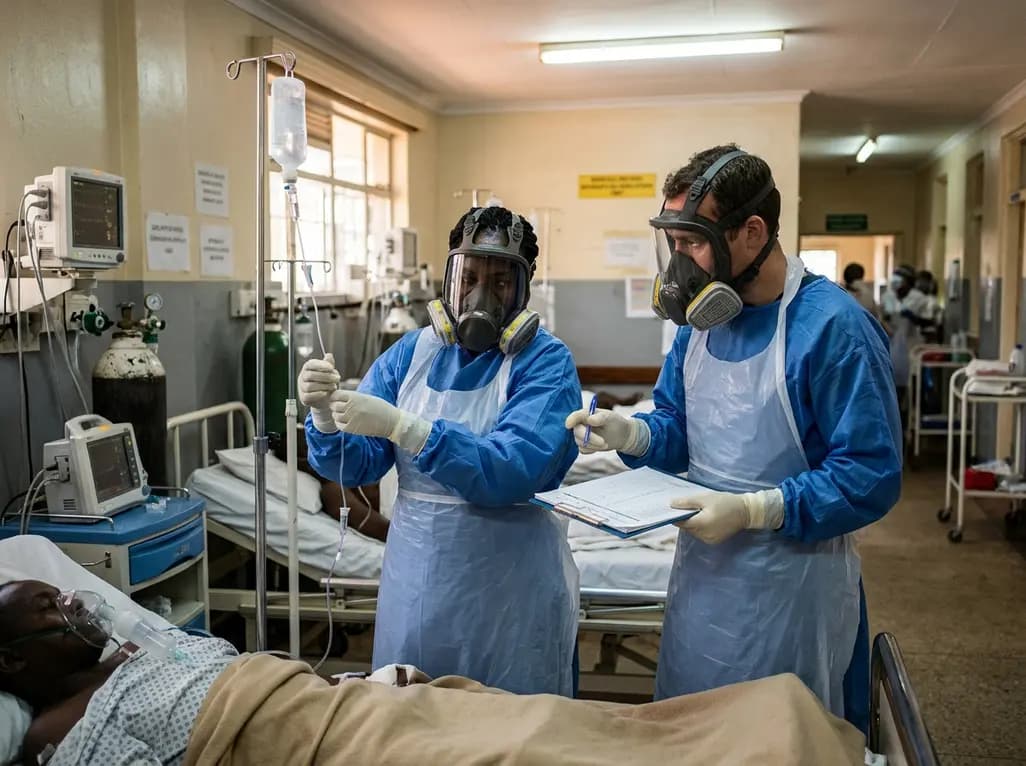
Health authorities in Kenya have confirmed two fatalities among nine cases of Ebola linked to regional transmission. Clinicians worldwide must maintain heightened vigilance, screen international travelers promptly, enforce strict infection prevention, and deliver immediate supportive care for suspected cases.
Today
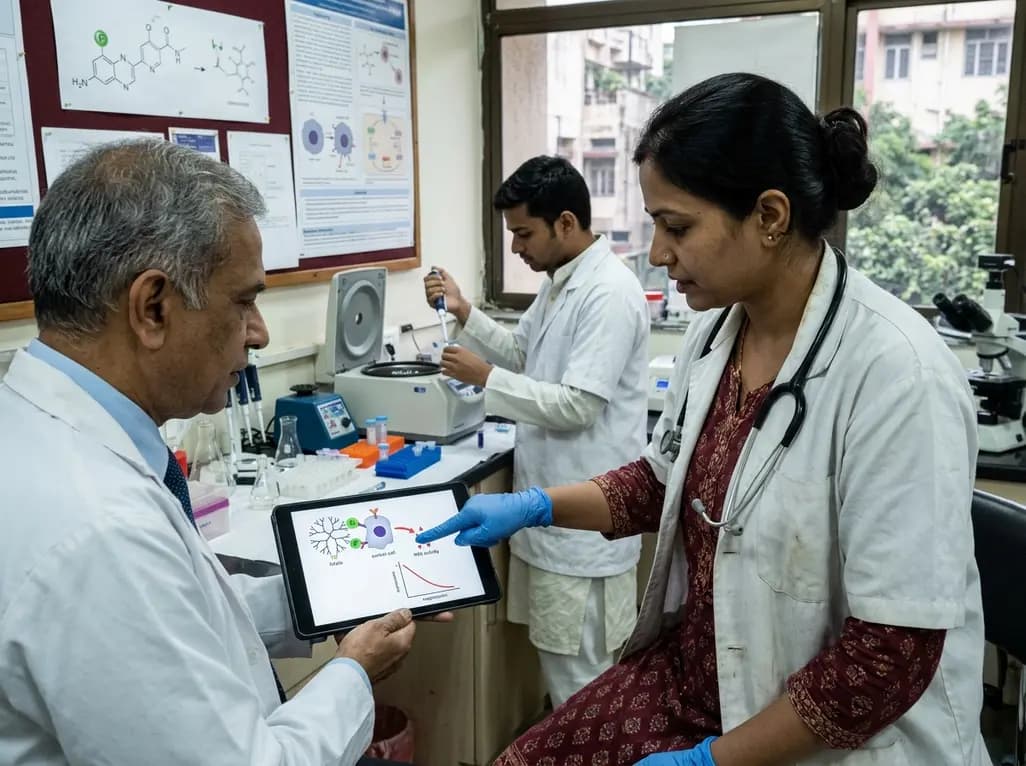
A novel folate-conjugated tecto-dendrimer nanoplatform successfully delivers siRNA to achieve targeted HK2 silencing, disrupting ovarian cancer glycolysis and suppressing lactate output.
Today
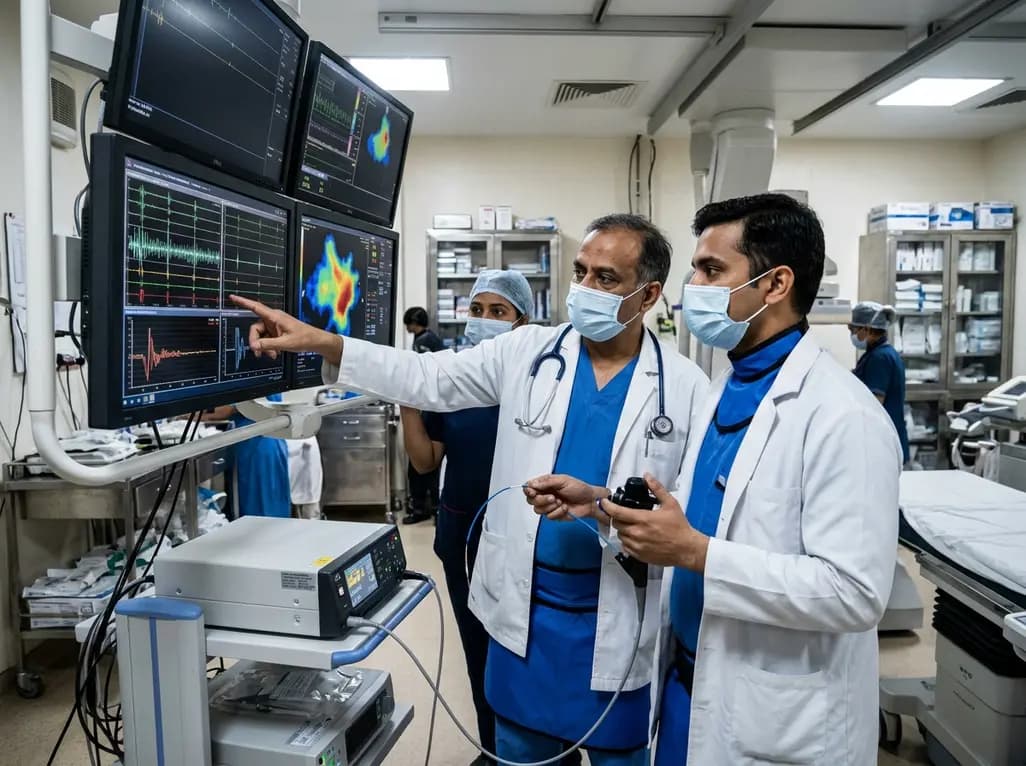
A comparative non-contact study reveals that high-power radiofrequency delivery with the QDOT MICRO catheter induces an artifactual contact force rise. Electrophysiologists must understand this power-dependent thermal and electrical phenomenon to avoid inadvertent catheter withdrawal and ineffective ablation.
Today

A novel proof-of-concept study presents a six-degree-of-freedom articulated manikin neck equipped with linear potentiometers. The system provides real-time kinematic motion feedback during cervical immobilisation, delivering sub-degree tracking accuracy to improve pre-hospital trauma training and patient safety.
Today

Novel glucose-responsive mPEG-PSA nanocarriers deliver insulin aspart on demand, achieving dual postprandial and basal glycemic control without hypoglycemia in diabetic models. This biomaterial breakthrough offers promising clinical implications for physiologic diabetes management.
Today
