.webp&w=384&q=75)

Loading, please wait...
Loading, please wait...
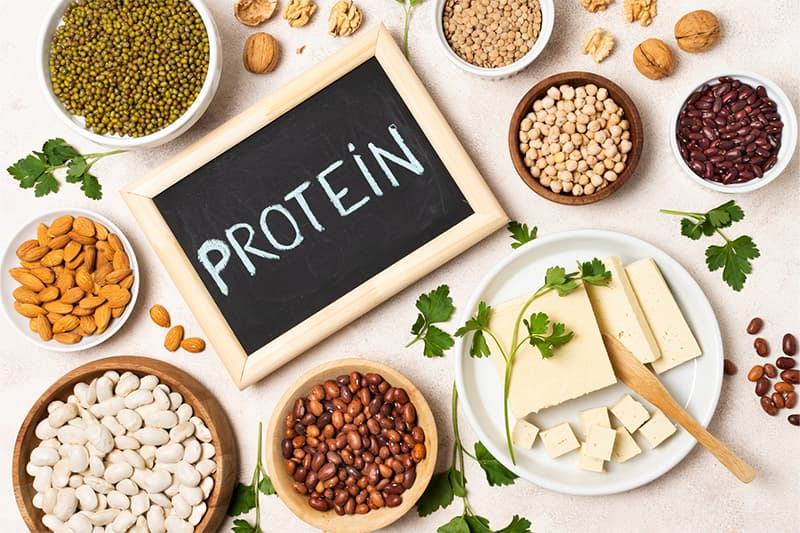
A recent nationwide survey revealed a significant nutritional crisis: nearly 60% of urban Indians suffer from Protein Deficiency India. Furthermore, the data highlights that only four in ten urban residents regularly consume protein-rich foods like eggs, lentils, milk, or nuts. This deficiency persists despite increasing overall health awareness.
The survey, which collected over 2.07 lakh responses, also uncovered a deep-seated lack of knowledge regarding necessary protein intake. For instance, close to 74 per cent of respondents could not correctly state the recommended daily protein intake. Consequently, many consumers may unknowingly miss key nutrients. The Indian Council of Medical Research (ICMR) suggests that healthy adults need 0.66 to 0.83 grams of protein per kilogram of body weight. Moreover, around 85 per cent of individuals reported that they do not track or estimate their daily protein consumption.
Protein plays a crucial, multifaceted role in the human body. However, about half of urban Indians remain unaware of protein's vital function. This includes maintaining muscle strength, supporting immunity, and boosting energy levels. Because of this lack of knowledge, people do not associate common symptoms with low protein. Common signs like fatigue, hair fall, or low immunity are often overlooked as indicators of inadequate intake. Physicians caution that a persistent lack of protein can lead to severe health issues. Dr. Vishakha Shivdasani noted that protein deficiency can contribute to muscle loss, metabolic dysfunction, and declining cognitive health. Furthermore, it weakens immunity across all age groups.
The study identified several significant hurdles preventing urban Indians from getting enough protein. Affordability emerged as the single biggest barrier to adequate consumption. Following this, taste preferences and various dietary restrictions also posed challenges, especially for vegetarian consumers. On the positive side, availability was not cited as a major concern; most respondents indicated that protein-rich foods were accessible in their local markets. The data suggests that over 71 per cent of consumers expressed a willingness to switch to more affordable protein alternatives if these options were available.
Q1: What is the recommended daily protein intake for an average adult in India?
The Indian Council of Medical Research (ICMR) suggests that healthy adults should aim for an intake of 0.66 to 0.83 grams of protein per kilogram of body weight.
Q2: What are the main barriers to adequate protein consumption in urban India?
The biggest barrier identified by the survey is affordability, followed by personal taste preferences and specific dietary restrictions, particularly for vegetarians.
Q3: How does protein deficiency affect overall health?
Physicians report that protein deficiency can lead to several complications, including muscle loss, weak immunity, metabolic dysfunction, and declining cognitive health.
Disclaimer: This content is for informational and educational purposes only. It does not constitute medical advice or replace professional judgment. Refer to the latest local and national guidelines for clinical practice.
References

Read summarized clinical updates, watch expert medical content, and earn CME certifications right from your smartphone.
Open your smartphone camera to scan and install.





A new survey reveals a major nutritional gap: nearly 60% of urban Indians are protein-deficient due to lack of awareness, affordability, and failure to trac...
8 months ago

Review how tailored exercise programs benefit frail older patients with heart failure. Explore pathophysiological mechanisms, individualized training prescriptions, and strategies to overcome adherence barriers in clinical practice.
Today

Leucine Rich Bio has introduced South Asia's first comprehensive vaginal microbiome test, BugSpeaks. By profiling microbial dysbiosis, pathogens, and antimicrobial resistance, this next-generation diagnostic platform provides clinicians with deeper insights into recurrent infections, fertility, and reproductive health.
Today

In high-risk pulmonary embolism complicated by severe anemia and active uterine bleeding, systemic thrombolysis is contraindicated. Large-bore aspiration thrombectomy provides rapid hemodynamic rescue without fibrinolysis, supported by inferior vena cava filter placement and multidisciplinary critical care.
Today

This comparative study evaluates posterior labral tears with and without glenohumeral instability, highlighting distinct demographic patterns, MRI underestimation in stable shoulders, and successful arthroscopic repair outcomes.
Today

A clinical study demonstrates that early intervention with tocilizumab, either as monotherapy or bridged with corticosteroids, achieves significant proptosis reduction and resolves active inflammation in treatment-naive thyroid eye disease.
Today
