.webp&w=384&q=75)

Loading, please wait...
Loading, please wait...

The presence of preoperative S. aureus colonization is a critical predictor for surgical outcomes in elective posterior spine surgery. A recent retrospective analysis of international trial data from 3311 participants explored how this colonization impacts postoperative infection rates. Researchers discovered that 35% of participants carried the pathogen in their nose or throat before surgery. Consequently, this carriage led to significantly higher odds of developing specific infections.
The study results demonstrated a clear association between colonization and adverse outcomes. Specifically, patients with positive preoperative cultures faced a 1.7-fold increase in the odds of superficial surgical site infections (SSI). Furthermore, these individuals were 1.8 times more likely to develop bloodstream infections. Therefore, these findings underscore the importance of identifying carriers before they enter the operating room.
In addition to preoperative S. aureus colonization, other surgical variables played a role in infection risk. For instance, nasal colonization carried slightly higher odds of infection compared to throat colonization alone. The extent of the surgery also mattered significantly. Each additional vertebra fused increased the odds of infection by 20%. Moreover, longer surgical durations increased the infection rates.
Clinical guidelines often suggest decolonization protocols for known carriers. However, the effectiveness of these interventions depends on timely screening and patient compliance. By targeting high-risk patients, surgeons can potentially lower the incidence of both superficial SSIs and systemic bloodstream infections.
While both are markers of carriage, the study found that nasal colonization carried slightly higher odds of postoperative infection compared to throat colonization alone.
Yes, the research indicated that a higher number of vertebrae fused increases the odds of postoperative S. aureus infection by approximately 20% per vertebra.
Disclaimer: This content is for informational and educational purposes only. It does not constitute medical advice or a professional relationship. Refer to the latest local and national guidelines for clinical practice.
References

Read summarized clinical updates, watch expert medical content, and earn CME certifications right from your smartphone.
Open your smartphone camera to scan and install.





A study of 3311 patients found that preoperative S. aureus colonization significantly increases the risk of superficial SSIs and bloodstream infections....
6 months ago

Failing to account for competing events like mortality in longitudinal geriatric studies produces biased risk estimates and misleading inferences. This review highlights key methodological principles, insights from the Precipitating Events Project, and practical approaches for clinical research appraisal.
Today

A study in JAMIA Open shows lightweight open-source reasoning LLMs achieve up to 95% sensitivity and accelerate evidence synthesis screening by nearly twentyfold, presenting a cost-effective, scalable AI solution for biomedical research and systematic reviews.
Today
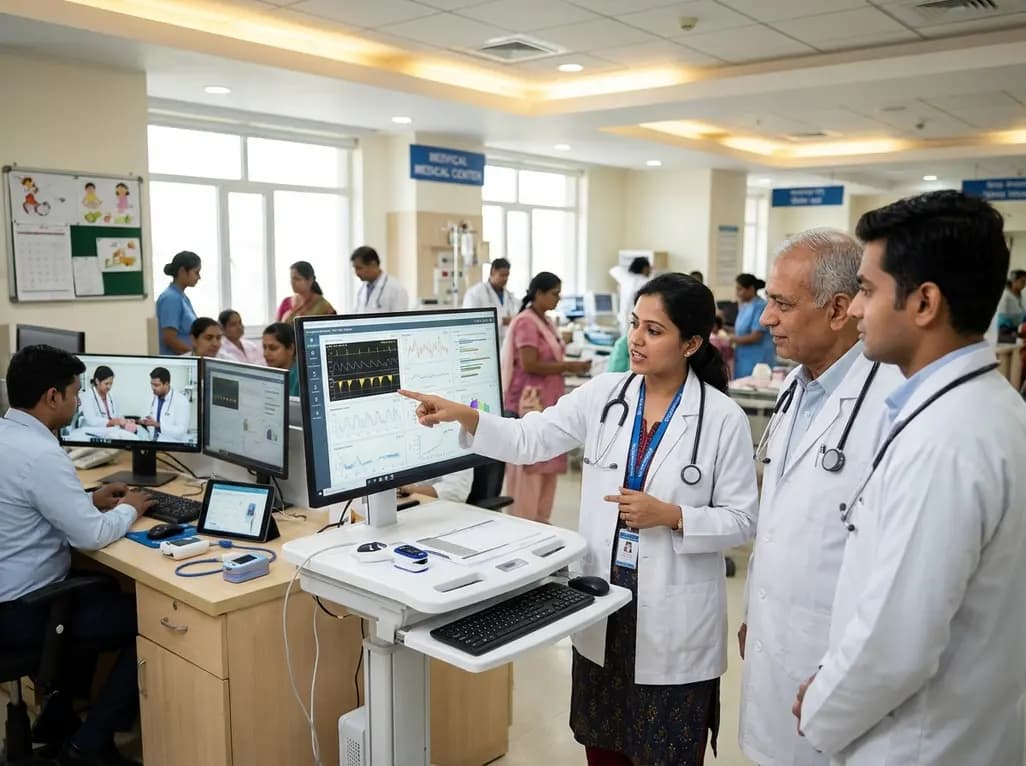
A landmark study details how an enterprise pediatric remote patient management model expanded from a single cardiology pilot to 16 diverse specialty programs by combining centralized digital operations with specialty clinical leadership.
Today
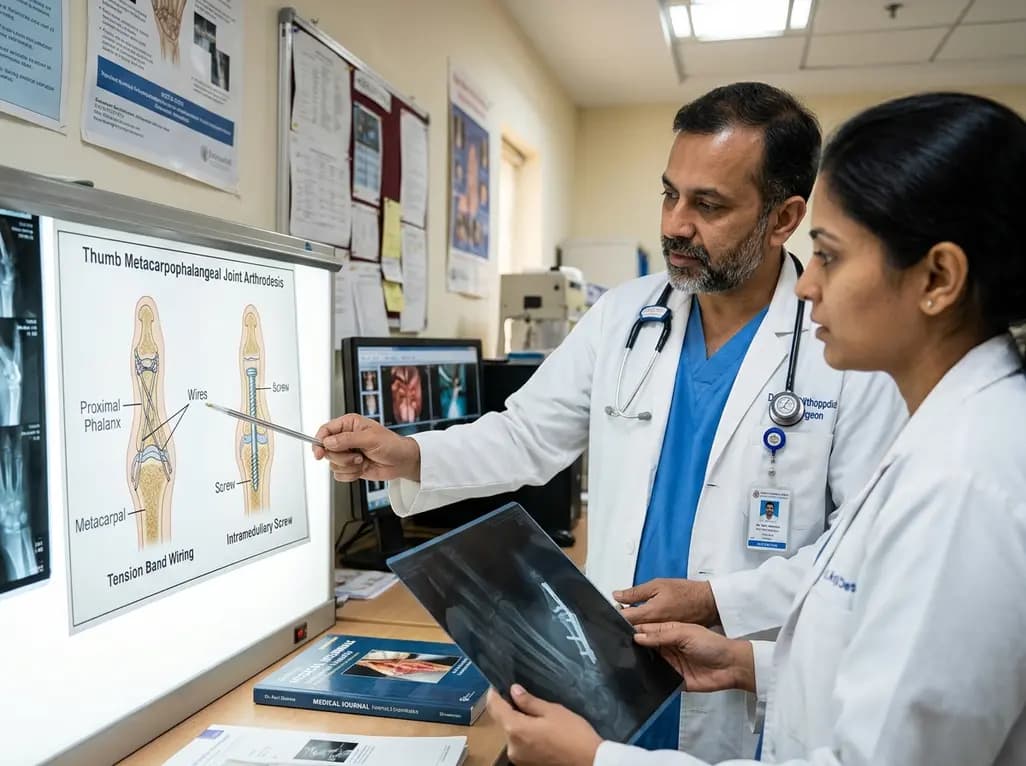
A comparative review of tension band wiring and intramedullary screw fixation in thumb metacarpophalangeal arthrodesis, evaluating union rates, hardware complications, and clinical outcomes.
Yesterday
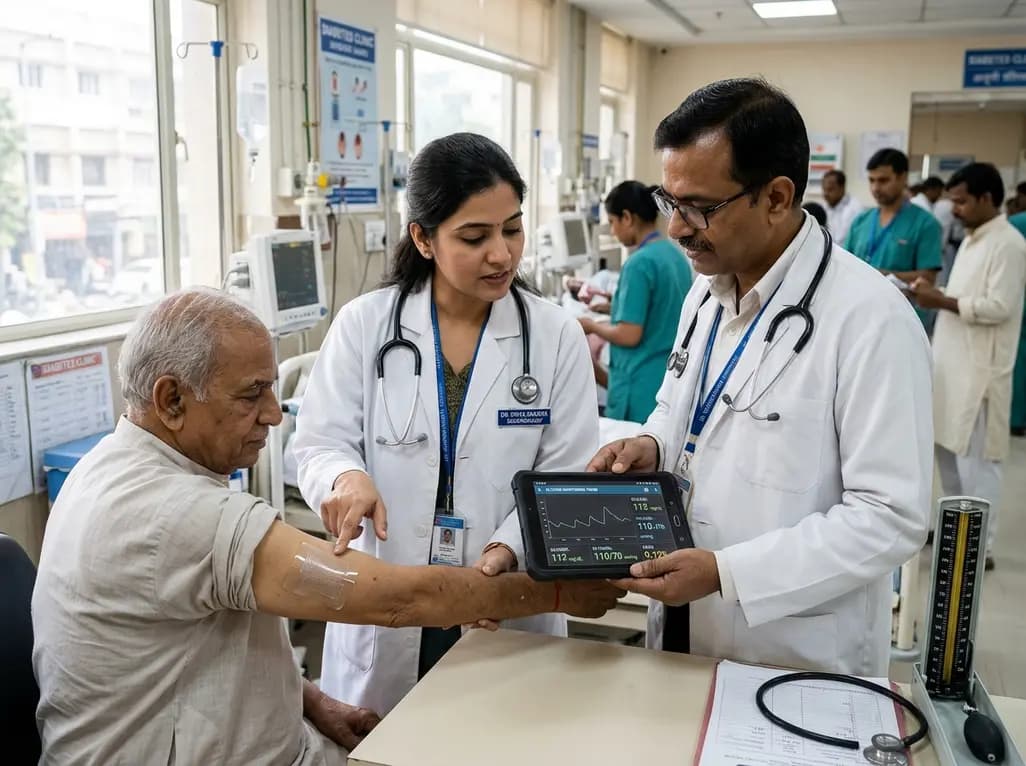
A breakthrough ultrathin multimodal sensor decouples physical hemodynamic monitoring from disposable electrochemical calibration, achieving long-term wearable glucose prediction with 81.36% accuracy and a 9.12% MARD. This offers a robust, drift-free solution for outpatient metabolic surveillance.
Today
