.webp&w=384&q=75)

Loading, please wait...
Loading, please wait...

The landscape of systems biology is shifting with the emergence of pre-disease multi-omics research. This innovative framework focuses on identifying molecular changes before symptoms manifest. Consequently, clinicians can move beyond reactive treatments toward proactive, interceptive medicine. By analyzing the critical tipping point between health and disease, this paradigm offers a unique window into complex living systems.
Detecting subtle pre-pathological signals remains a significant challenge due to the high dimensionality and technical noise in datasets. However, integrated multi-omics approaches allow for the precise characterization of these states. For example, distinguishing reversible metabolic dysregulation from irreversible Type 2 Diabetes requires analyzing synergistic deviations across transcriptomic and metabolomic layers. Furthermore, these methods help establish causal, dynamic relationships that traditional analytical techniques often miss.
New methodological approaches prioritize spatiotemporally resolved dynamic processes. These breakthroughs leverage emerging computational tools to decode cross-scale regulatory architectures. Additionally, focusing on multivariate synergistic dynamics helps scientists understand how various biological layers interact. Therefore, this theoretically grounded foundation is essential for advancing proactive health strategies globally, including in diverse populations like those in India.
The transition from health to a pre-disease state represents a vital opportunity for intervention. Shifting clinical action into the pre-symptomatic phase could significantly reduce the burden of chronic conditions. Because multi-omics provides a holistic view, it bridges the gap between basic research and clinical application. Ultimately, this paradigm supports the development of personalized prevention models for improved patient outcomes.
The goal is to identify the molecular \"tipping point\" where reversible physiological changes become irreversible disease states, enabling early clinical intervention.
It utilizes advanced computational breakthroughs to distinguish coherent synergistic deviations across multiple biological layers from stochastic physiological and technical noise.
It allows for the detection of subtle metabolic dysregulation long before traditional diagnostic markers like elevated blood glucose appear.
Disclaimer: This content is for informational and educational purposes only. It does not constitute medical advice or a professional endorsement. Refer to the latest local and national guidelines for clinical practice.
References
Lu C et al. Toward A Pre-disease State-centered New Paradigm in Multi-omics Research. Genomics Proteomics Bioinformatics. 2026 Mar 01. doi: undefined. PMID: 41764412.
Hasin Y, Seldin M, Lusis A. Multi-omics approaches to disease. Genome Biol. 2017;18(1):83. doi: 10.1186/s13059-017-1215-1.
Zhou W et al. Longitudinal multi-omics of host-microbe dynamics in prediabetes. Nature. 2019;569(7758):663-671. doi: 10.1038/s41586-019-1236-x.

Read summarized clinical updates, watch expert medical content, and earn CME certifications right from your smartphone.
Open your smartphone camera to scan and install.





This article explores a new multi-omics paradigm focusing on pre-disease states to enable earlier clinical intervention and proactive health management....
7 months ago

A nationwide observational study from Norway investigates whether SGLT2 inhibitor therapy improves 5-year metabolic parameters in kidney transplant recipients with post-transplantation diabetes mellitus (PTDM), finding comparable glycemic, renal, and blood pressure profiles between user and non-user cohorts.
Today

A study in JAMIA Open shows lightweight open-source reasoning LLMs achieve up to 95% sensitivity and accelerate evidence synthesis screening by nearly twentyfold, presenting a cost-effective, scalable AI solution for biomedical research and systematic reviews.
Yesterday
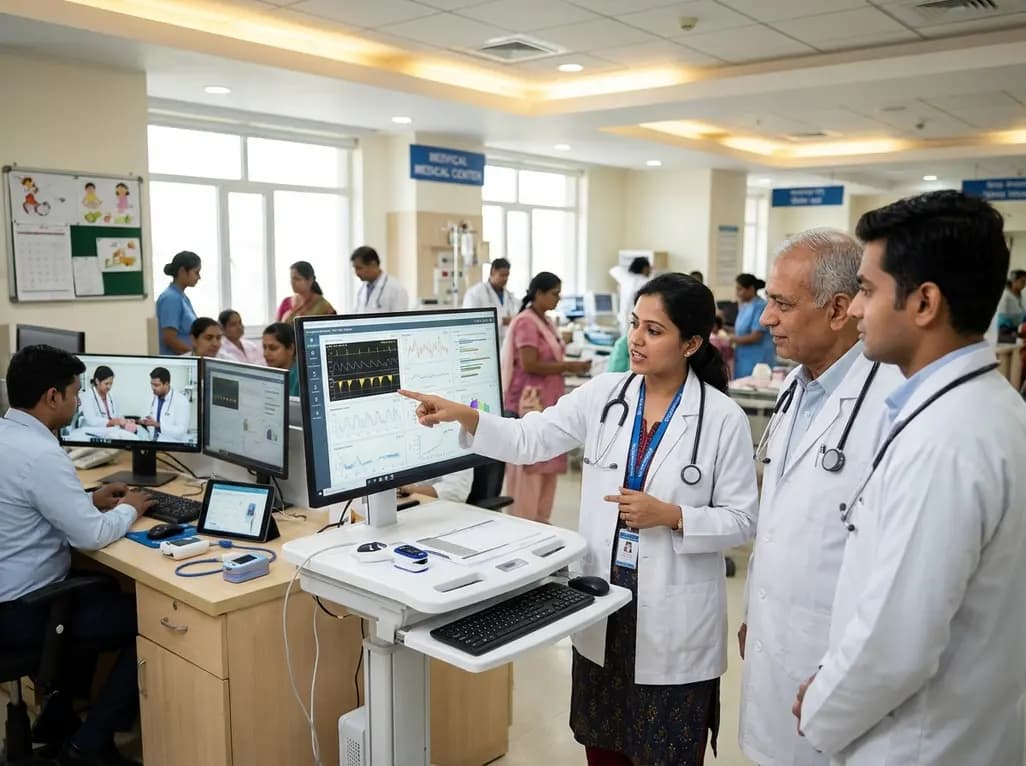
A landmark study details how an enterprise pediatric remote patient management model expanded from a single cardiology pilot to 16 diverse specialty programs by combining centralized digital operations with specialty clinical leadership.
Yesterday
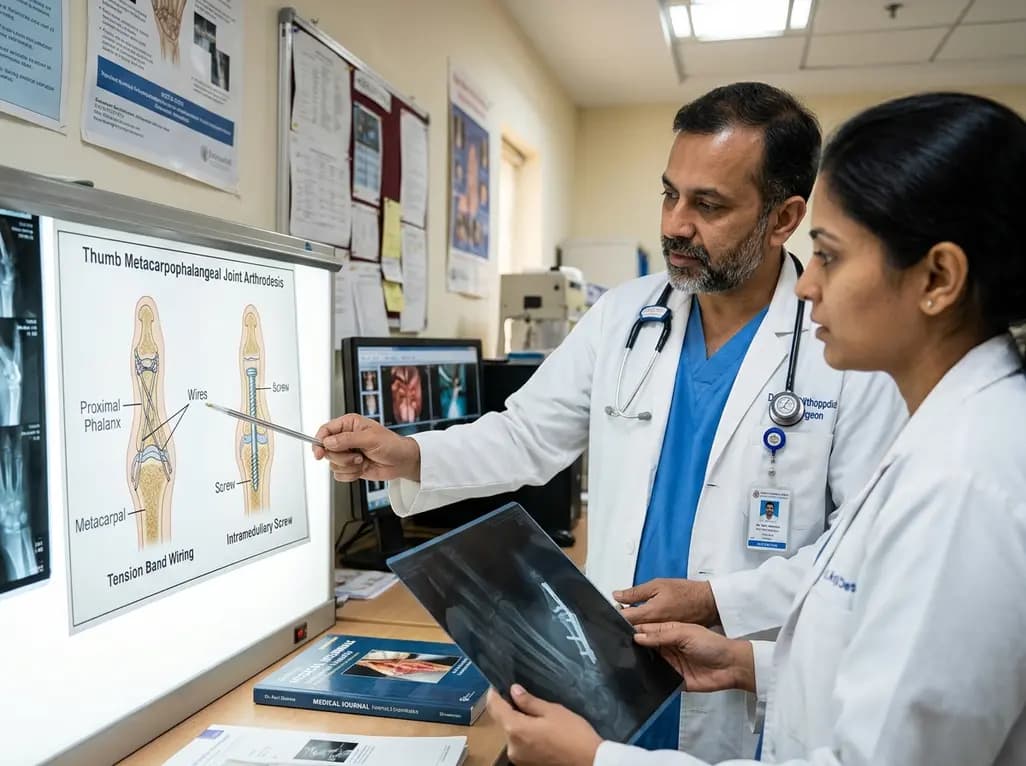
A comparative review of tension band wiring and intramedullary screw fixation in thumb metacarpophalangeal arthrodesis, evaluating union rates, hardware complications, and clinical outcomes.
Yesterday
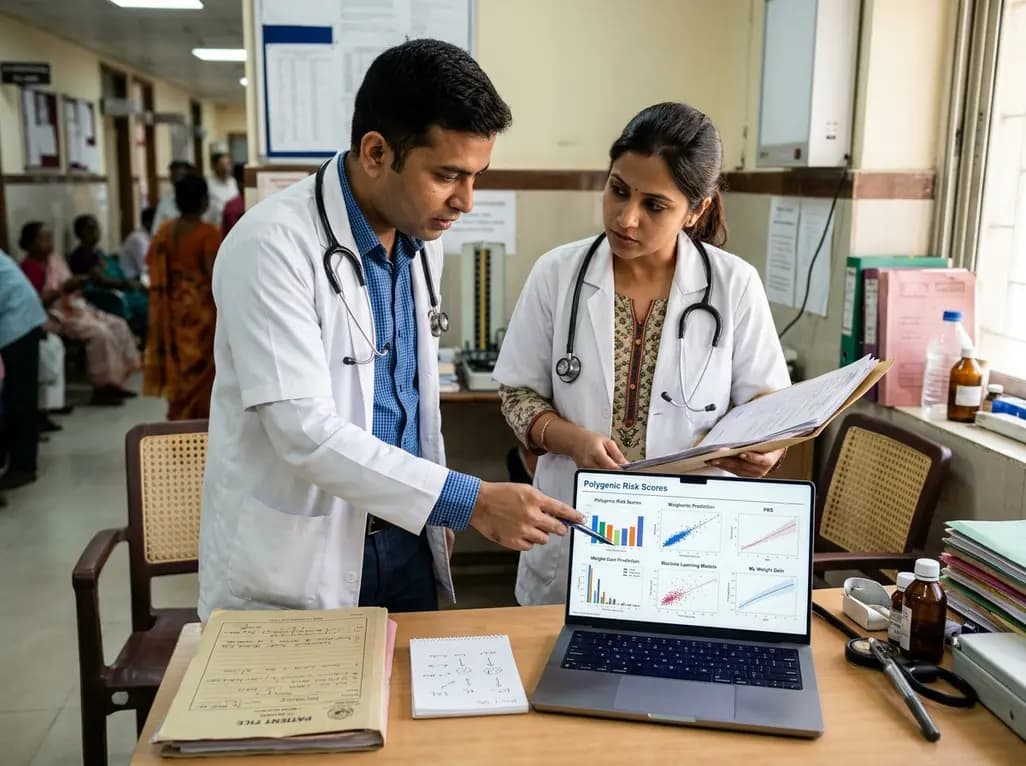
An observational study from the NIH All of Us Research Program reveals that adding a multi-ancestry polygenic risk score to machine learning models provides only modest improvements in predicting adult weight gain, underscoring the enduring significance of routine clinical and lifestyle factors.
Today
