.webp&w=384&q=75)

Loading, please wait...
Loading, please wait...

Potassium Iodide Preparedness has become a central topic in global health discussions due to rising geopolitical tensions and nuclear safety concerns. This chemical compound serves as a non-prescription vehicle for delivering large doses of dietary iodine during emergencies. Consequently, healthcare providers must understand its role in mitigating the risks of radioactive fallout from potential nuclear accidents. Recent events in Eastern Europe have already triggered a global surge in demand for this vital medical countermeasure.
Potassium iodide (KI) works through a physiological mechanism known as iodine thyroid blocking. When the thyroid gland is saturated with stable iodine, it cannot absorb harmful radioactive isotopes like I-131. Therefore, taking KI at the correct time prevents the accumulation of radioactive material in the gland. This action significantly reduces the long-term risk of radiation-induced thyroid cancer. However, physicians should note that KI does not offer universal protection. It safeguards only the thyroid gland and does not defend against other radioactive elements like cesium or plutonium.
In the current geopolitical landscape, Potassium Iodide Preparedness is essential for national security and public health. Governments worldwide are actively strengthening their stockpiles to ensure rapid response during radiological emergencies. Furthermore, India faces a unique situation where over 16 crore people remain at risk for iodine deficiency. This nutritional gap makes the population more vulnerable during nuclear incidents. Indian pharmaceutical companies are now focusing on KI production to meet both nutritional and emergency needs. Because the domestic market is growing at 10 percent annually, this sector presents a significant strategic opportunity for local entrepreneurs.
Q1: Who should prioritize taking potassium iodide during an emergency?
Public health authorities like the WHO and CDC primarily recommend KI use for children, pregnant women, and young adults. These groups face the highest risk of thyroid damage from radiation exposure.
Q2: Is potassium iodide a substitute for evacuation?
No, authorities use KI as just one part of a broader emergency response strategy. This strategy also includes evacuation, sheltering in place, and ensuring the safety of food and water supplies.
Q3: Can potassium iodide prevent all types of radiation sickness?
No, it only prevents the thyroid from absorbing radioactive iodine. It does not protect other organs or shield the body from external radiation beams.
Disclaimer: This content is for informational and educational purposes only. It does not constitute medical advice or replace professional judgment. Refer to the latest local and national guidelines for clinical practice.
References

Read summarized clinical updates, watch expert medical content, and earn CME certifications right from your smartphone.
Open your smartphone camera to scan and install.





Explore the critical role of potassium iodide in nuclear preparedness and iodine deficiency management, highlighting its mechanism and surging demand in Ind...
6 months ago
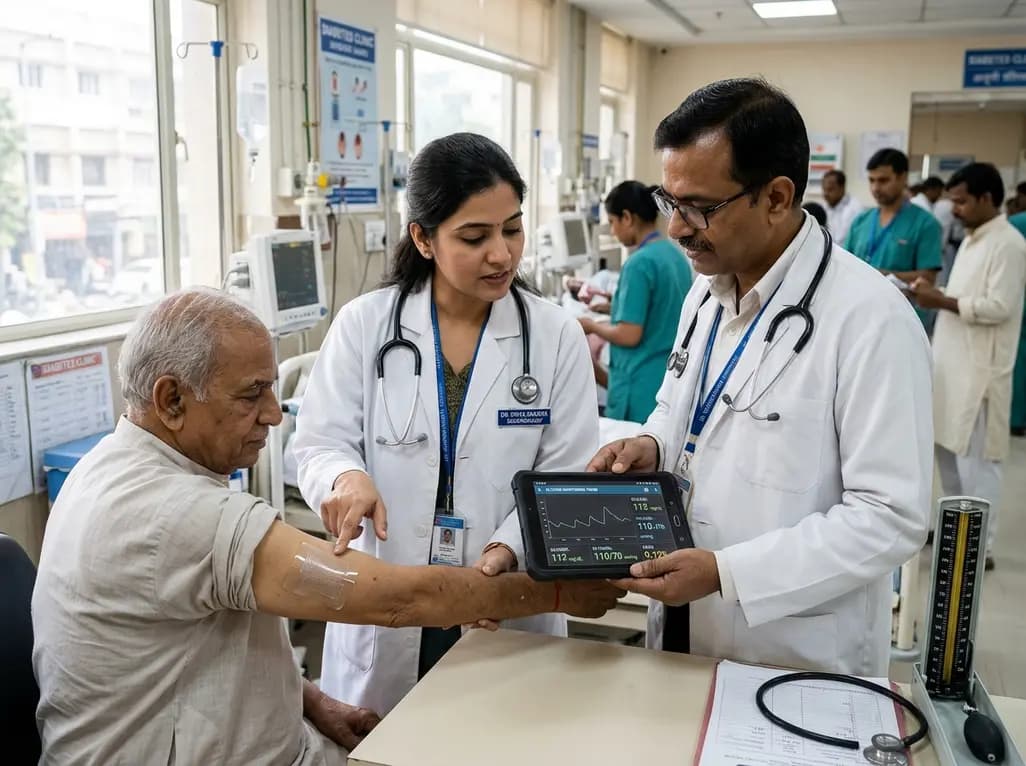
A breakthrough ultrathin multimodal sensor decouples physical hemodynamic monitoring from disposable electrochemical calibration, achieving long-term wearable glucose prediction with 81.36% accuracy and a 9.12% MARD. This offers a robust, drift-free solution for outpatient metabolic surveillance.
Today
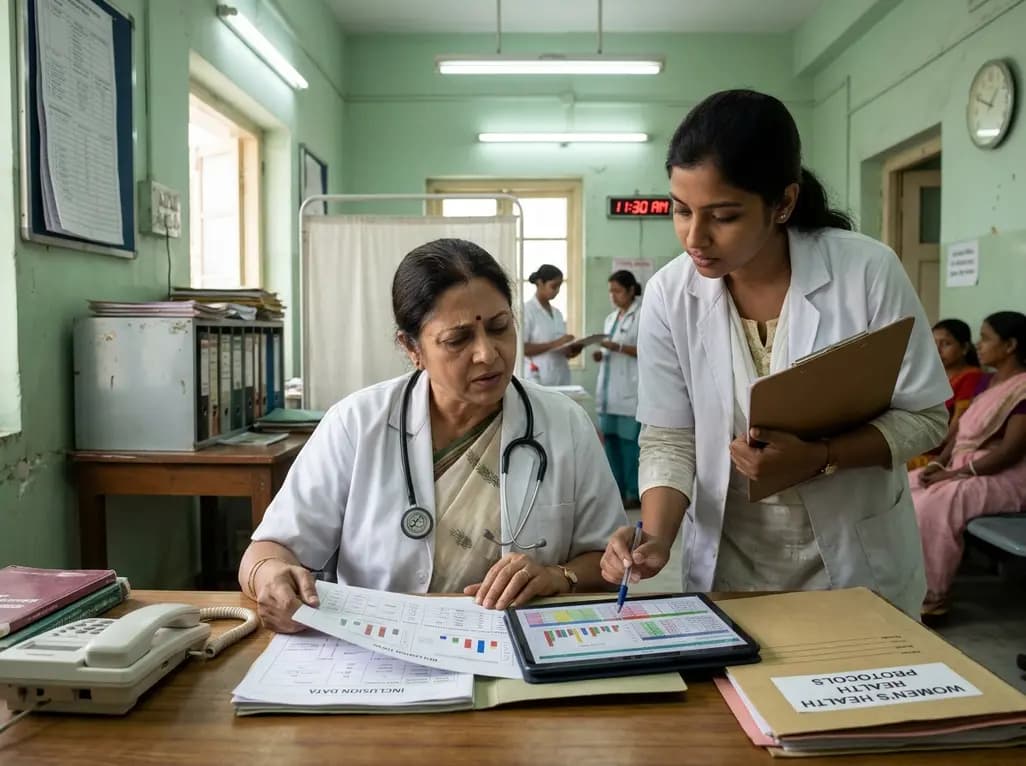
Demanding exhaustive hormonal profiling can inadvertently discourage clinical studies involving females. Methodological standards must align with the specific scientific question to expand, not restrict, equitable evidence for women.
Today
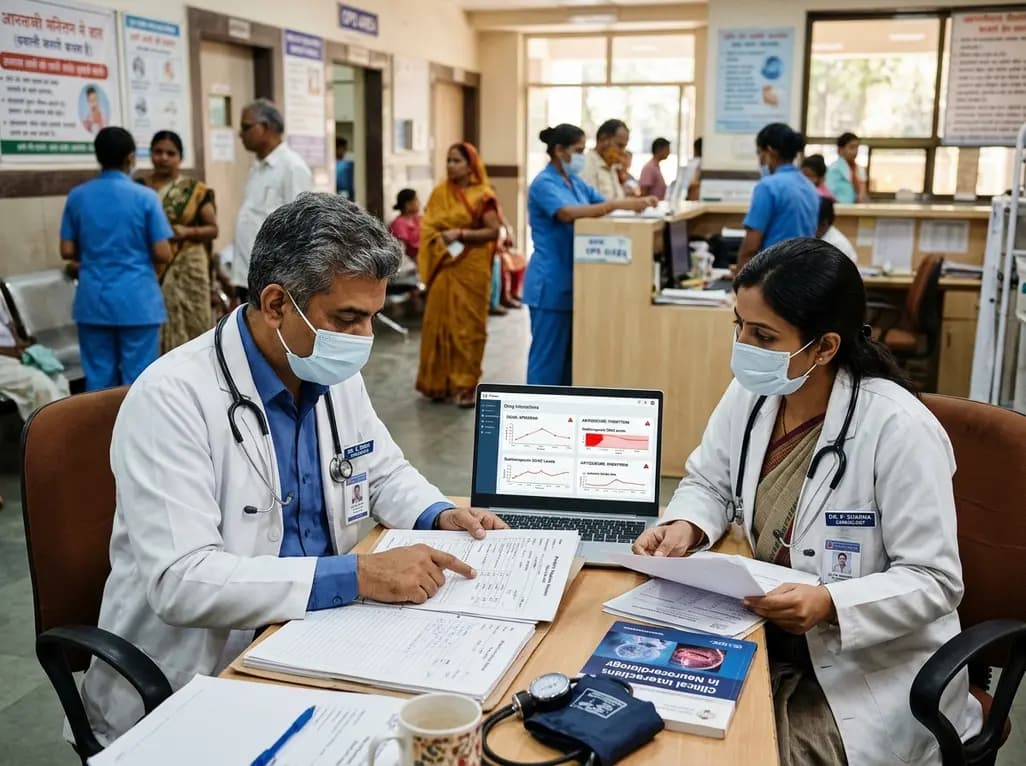
Co-administering antiseizure medications and DOACs frequently causes pharmacokinetic interactions, subtherapeutic drug levels, and thromboembolic failures. This review highlights enzyme induction risks, unpredictable outcomes with levetiracetam, and the vital role of therapeutic drug monitoring.
Today
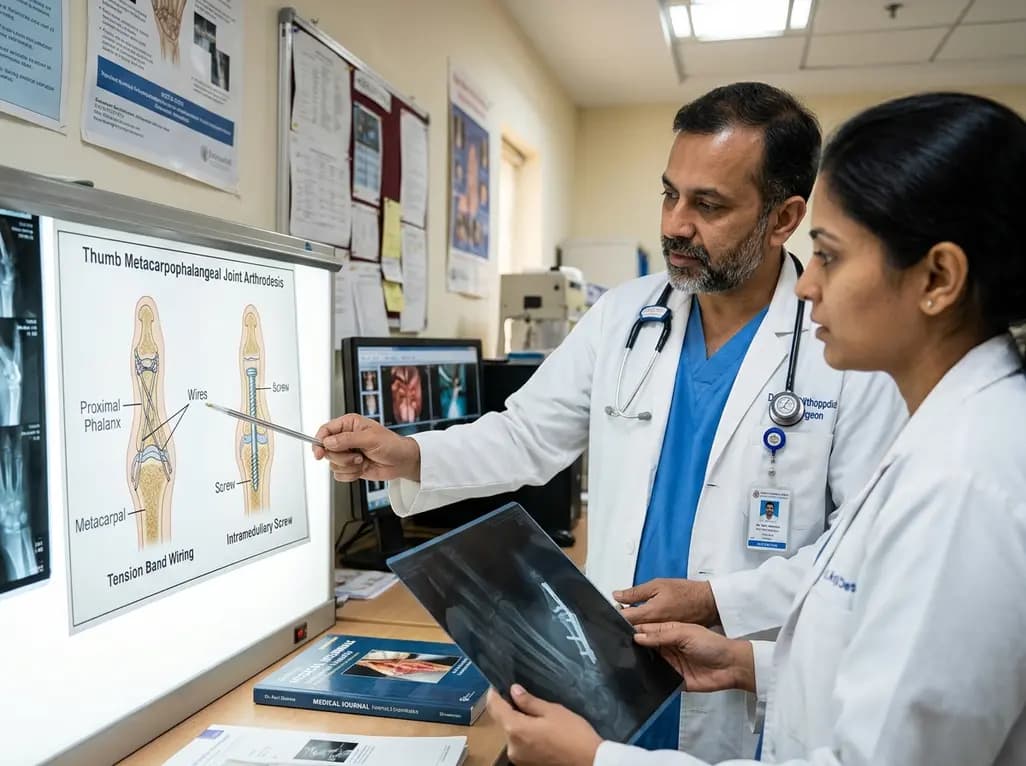
A comparative review of tension band wiring and intramedullary screw fixation in thumb metacarpophalangeal arthrodesis, evaluating union rates, hardware complications, and clinical outcomes.
Today

Following regulatory scrutiny from FSSAI regarding promotional representations and lean muscle preservation claims, Dr. Reddy's Laboratories and Nestlé Health Science are currently reviewing the branding and marketing strategy for their joint nutritional supplement Celevida GLP+.
Today
