.webp&w=384&q=75)

Loading, please wait...
Loading, please wait...

The management of polymicrobial CAUTI treatment remains a critical challenge in modern clinical settings, particularly in India where antimicrobial resistance (AMR) is rapidly surging. Catheter-associated urinary tract infections (CAUTIs) are among the most prevalent healthcare-associated infections. Despite their frequent polymicrobial nature, most historical research has focused on single-pathogen models. Consequently, understanding the collective behavior of diverse bacterial communities in the urinary tract has been difficult. A recent study has now introduced a reproducible in vitro model to address this knowledge gap effectively.
Researchers successfully established stable polymicrobial communities featuring common uropathogens, including Klebsiella pneumoniae, Pseudomonas aeruginosa, and Escherichia coli. Their findings demonstrate that polymicrobial biofilms significantly modulate the impact of ciprofloxacin. Specifically, the biofilm lifestyle protects the most susceptible community members from antibiotic action, rendering traditional therapies less effective. Furthermore, the study highlighted the specific capacity of Proteus mirabilis to encrust and block catheters when part of a diverse community. However, thioridazine treatment proved highly effective at inhibiting this blockage, even within these complex environments.
For clinicians, these insights emphasize that standard antibiotic protocols may fail because biofilms shield individual bacteria. In the Indian context, where resistance to fluoroquinolones among E. coli and Klebsiella species is notably high, these results suggest an urgent need for targeted anti-biofilm strategies. Additionally, the efficacy of thioridazine in preventing catheter encrustation offers a potential adjunctive therapy for long-term catheterized patients. Therefore, shifting the focus toward community-level microbial interactions is essential for improving patient outcomes. Moreover, utilizing such tractable models can help refine future treatment guidelines for complicated infections.
Polymicrobial CAUTIs are more difficult to manage because biofilms created by the bacterial community can shield individual pathogens from antibiotics. This protective environment allows even susceptible strains to survive standard treatments like ciprofloxacin.
Yes, recent research indicates that while pathogens like P. mirabilis contribute to catheter encrustation and blockage, specific treatments such as thioridazine can effectively inhibit this process, even when multiple bacterial species are present.
Disclaimer: This content is for informational and educational purposes only. It does not constitute medical advice or a professional endorsement. Refer to the latest local and national guidelines for clinical practice.
References
Garratt I et al. A model of polymicrobial catheter-associated urinary tract infection reveals biofilm-mediated modulation of treatment efficacy. J Appl Microbiol. 2026 Apr 23. doi: undefined. PMID: 42024423.
Indian Council of Medical Research (ICMR). Treatment guidelines for antimicrobial use in common syndromes. 2019.
Abbott IJ et al. Oral ciprofloxacin biofilm activity in a catheter-associated urinary tract infection model. J Antimicrob Chemother. 2022 Jan;77(1):140-149.

Read summarized clinical updates, watch expert medical content, and earn CME certifications right from your smartphone.
Open your smartphone camera to scan and install.





A study on a new polymicrobial CAUTI model shows how biofilms protect pathogens from ciprofloxacin and how thioridazine helps prevent catheter blockage....
6 months ago

A landmark 12-year longitudinal study highlights significant reductions in opioid prescribing for nonspecific low back pain following clinical guidelines and prescription monitoring systems, emphasizing non-opioid multimodal pain care.
Today
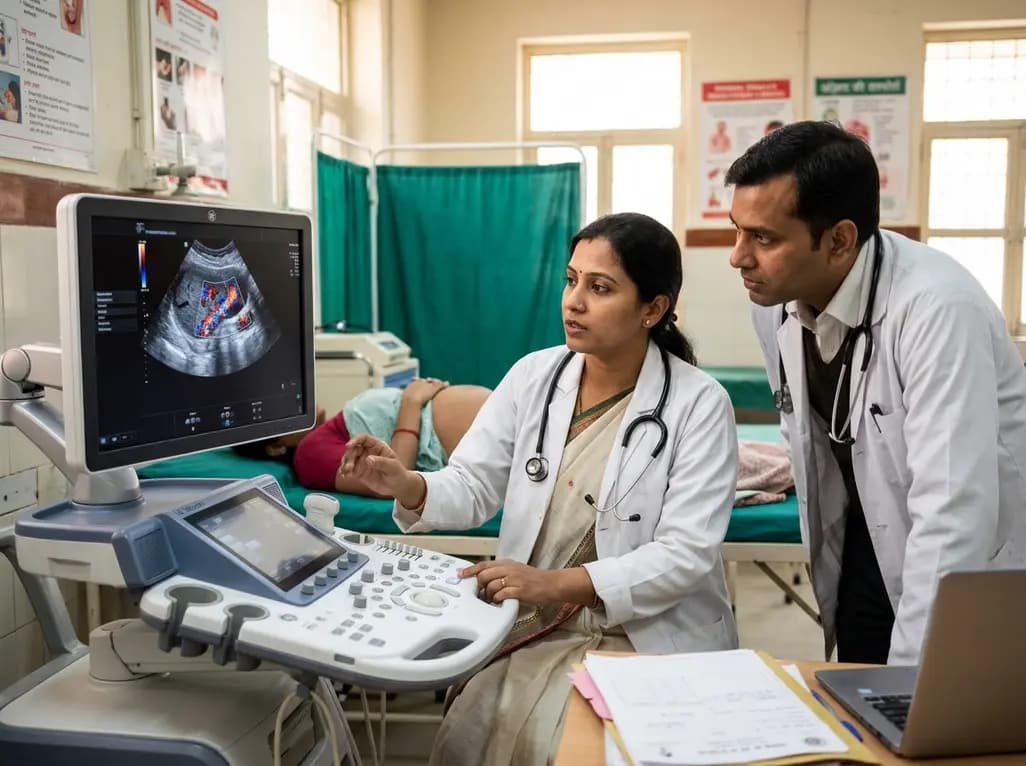
A study in Ultrasound in Obstetrics & Gynecology shows that quantitative vascularization of the anterior fornix/cervix with transvaginal ultrasound reliably identifies placenta accreta spectrum and predicts severe intraoperative hemorrhage, offering vital objective risk stratification.
Today
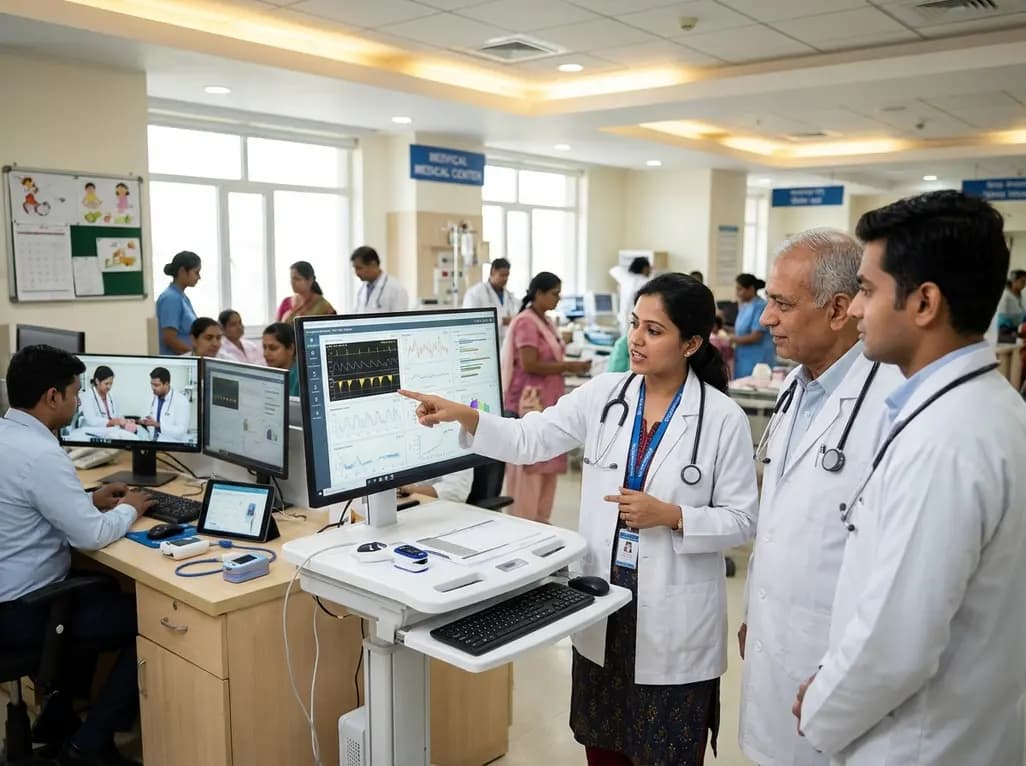
A landmark study details how an enterprise pediatric remote patient management model expanded from a single cardiology pilot to 16 diverse specialty programs by combining centralized digital operations with specialty clinical leadership.
Yesterday
A breakthrough study shows that 3D-planned corrective osteotomy successfully resolves distal radioulnar joint instability in pediatric diaphyseal forearm malunions. The precise osseous realignment eliminates chronic wrist pain and restores joint function without requiring secondary soft-tissue reconstruction.
Today
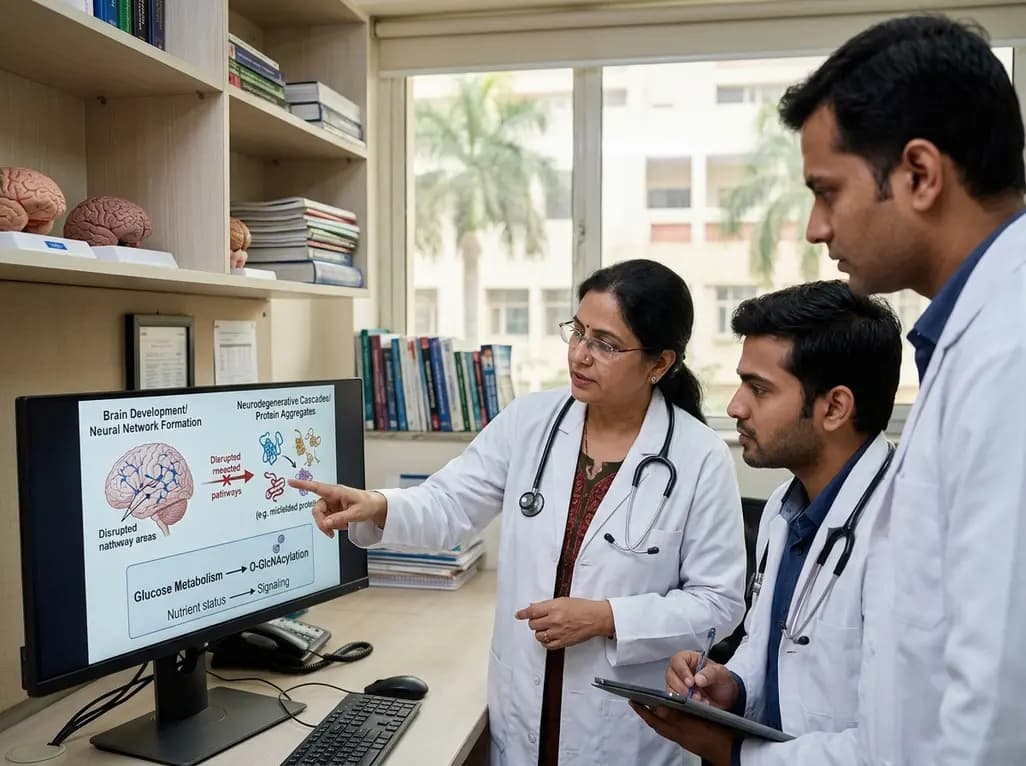
Protein O-GlcNAcylation couples cellular nutrient status to vital neuronal functions. This review explores how disrupted O-GlcNAc cycling drives both neurodevelopmental delays and neurodegenerative cascades, positioning metabolic post-translational modifications as therapeutic targets in clinical neurology.
Today
