.webp&w=384&q=75)

Loading, please wait...
Loading, please wait...

Pediatric moyamoya disease is a rare, progressive cerebrovascular condition. It causes narrowing of the terminal portions of the internal carotid arteries. Specifically, the recent MACINTOSH study in Japan analyzed 71 patients under four years of age. This multicenter research clarifies the unique clinical and radiological features that define early-onset cases.
The study highlights significant differences based on the age of onset. Infants under one year old showed a strong male predominance. Moreover, these infants lacked a family history of the disease. Every patient in this youngest group presented with an ischemic stroke. In contrast, older children often presented with transient ischemic attacks (TIAs) as their first symptom.
Seizures also represent a critical clinical marker in early childhood. In patients with ischemic stroke, seizures occurred much earlier, typically around 11.8 months of age. However, children without stroke tended to develop seizures later, at approximately 29.5 months. Therefore, clinicians should monitor for early-onset seizures as a potential indicator of underlying ischemia in young patients.
Radiological findings provide essential data for managing pediatric moyamoya disease. The study found that 36.6% of patients had involvement of the posterior cerebral artery (PCA). While all patients exhibited basal moyamoya vessels, vault collaterals were present in 42.3% of the cases. Additionally, ethmoidal collaterals appeared in 25.4% of the cohort. These specific vascular signatures help in assessing disease severity and planning effective surgical interventions.
Physicians must maintain a high index of suspicion for this condition in very young children. Early diagnosis remains the most effective way to prevent permanent neurological damage. Consequently, recognizing these specific age-related patterns can improve patient outcomes significantly.
In infants under one year, ischemic stroke is the most common presentation. These patients also experience seizures much earlier than older children with the condition.
While many infant cases appear sporadic, a family history is more common in older pediatric patients. Genetic factors like the RNF213 gene are often implicated, particularly in Asian populations.
Common features include basal moyamoya vessels and vault collaterals. Notably, involvement of the posterior cerebral artery occurs in over 36% of early-onset cases.
Disclaimer: This content is for informational and educational purposes only. It does not constitute medical advice or establish a doctor-patient relationship. Refer to the latest local and national guidelines for clinical practice.
References

Read summarized clinical updates, watch expert medical content, and earn CME certifications right from your smartphone.
Open your smartphone camera to scan and install.





Summary of clinical and radiological features in children <4 years with Moyamoya disease, based on the multicenter MACINTOSH study findings....
8 months ago
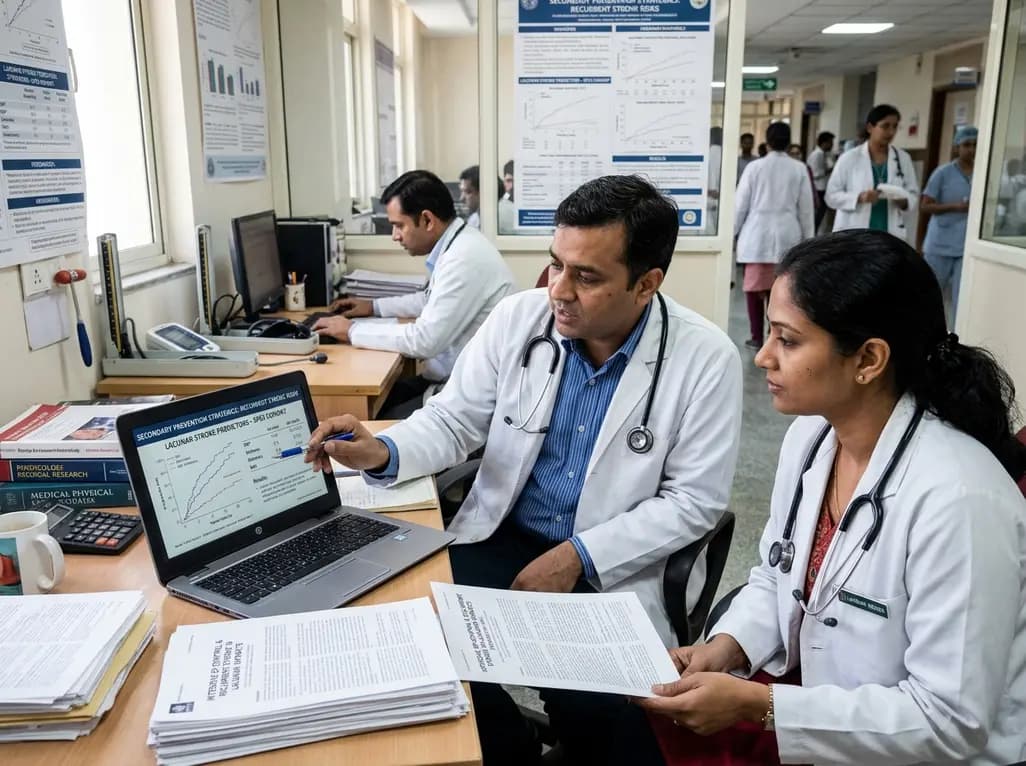
Explore vital recurrent stroke predictors in lacunar stroke patients managed with intensive blood pressure lowering. This analysis examines trial findings from SPS3 to uncover residual vascular risks, metabolic factors, and targeted secondary prevention strategies for high-risk neurological patients.
Today
A comprehensive scoping review synthesises evidence linking prenatal maternal mental health to long-term offspring neurodevelopment, evaluating neuroendocrine, inflammatory, and epigenetic pathways while highlighting clinical screening and future research priorities.
Today

The Directorate General of Health Services directs Indian states to halt the hazardous reuse and reprocessing of single-use medical devices. Discover regulatory implications under the Drugs and Cosmetics Act, critical infection risks, legal liabilities, and operational changes required across clinical specialties.
Today
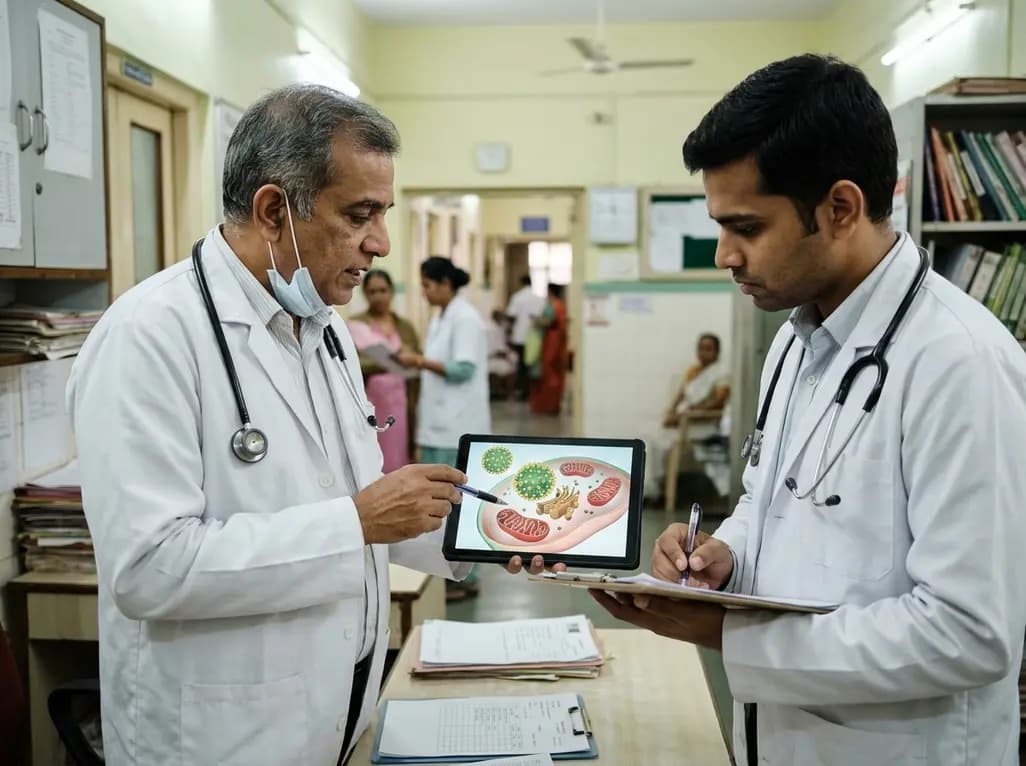
Mitochondria-targeted nanoparticles self-assembled from EGCG and L-glutamic acid effectively restore mitochondrial homeostasis, suppress synovial inflammation, and attenuate chondrocyte senescence in osteoarthritis, offering a promising disease-modifying nanotherapy.
Today

India is advancing preventive healthcare by integrating genomics, artificial intelligence, and quantum technologies. With the SANGAM programme sequencing one million Indian genomes, clinicians can unlock personalized therapies, detect cardiometabolic risks early, and curb the burden of diabetes and heart disease.
Today
