.webp&w=384&q=75)

Loading, please wait...
Loading, please wait...

Polycystic ovary syndrome (PCOS) is a widespread endocrine disorder. Notably, it often involves significant mental health challenges. Recent evidence emphasizes a strong bidirectional link between PCOS and depression. Specifically, this relationship suggests that biological traits of PCOS may trigger depressive symptoms. In contrast, mental health struggles can similarly worsen endocrine health. Therefore, understanding these connections is essential for clinicians. Consequently, they can provide holistic care for affected women.
Multiple biological factors underpin this association. Primarily, hyperandrogenism and insulin resistance are drivers of mood disturbances. Furthermore, chronic low-grade inflammation and alterations in the gut microbiome play significant roles. Notably, these physiological changes disrupt neurotransmitter function. In addition, women with PCOS face a much higher risk of developing persistent depressive disorders. Specifically, this risk is significantly higher than in the general population.
Psychosocial factors also contribute heavily to emotional distress. For instance, symptoms like hirsutism and acne frequently lead to a negative body image. Additionally, concerns regarding infertility increase psychological pressure. Moreover, these factors create a cycle of stress. Indeed, this cycle further impairs a patient’s quality of life. However, mental health screening remains a neglected component. Ultimately, clinicians must address these concerns early to improve long-term wellness.
Clinicians should prioritize mental health risk stratification. Specifically, they should screen all patients with PCOS at the time of diagnosis. Addressing individual concerns, such as weight management, can significantly alleviate depressive symptoms. Likewise, early psychological support helps in managing metabolic risks. Hence, integrated care models offer the best outcomes. Clearly, combining endocrinology and psychiatry is vital for modern clinical practice.
Research indicates that women with PCOS are three to eight times more likely to experience depression than those without the condition. Approximately 25% to 64% of patients report significant depressive symptoms.
Yes, managing physical symptoms like hirsutism, acne, and weight gain can enhance self-esteem. Consequently, this often leads to a measurable reduction in depressive symptoms and improved quality of life.
Disclaimer: This content is for informational and educational purposes only. It does not constitute medical advice or a professional relationship. Always seek the advice of a qualified healthcare provider for any medical condition. Refer to the latest local and national guidelines for clinical practice.
References

Read summarized clinical updates, watch expert medical content, and earn CME certifications right from your smartphone.
Open your smartphone camera to scan and install.





A review of the link between PCOS and depression, exploring biological mechanisms and psychosocial factors to improve mental health screening and patient ca...
7 months ago
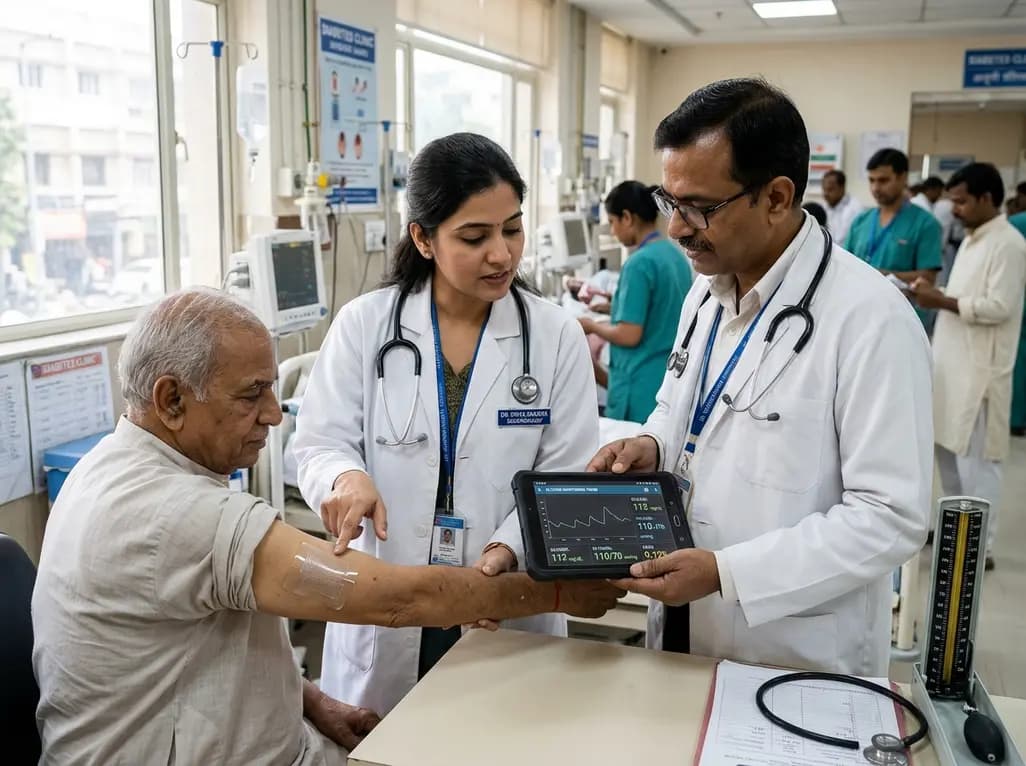
A breakthrough ultrathin multimodal sensor decouples physical hemodynamic monitoring from disposable electrochemical calibration, achieving long-term wearable glucose prediction with 81.36% accuracy and a 9.12% MARD. This offers a robust, drift-free solution for outpatient metabolic surveillance.
Today
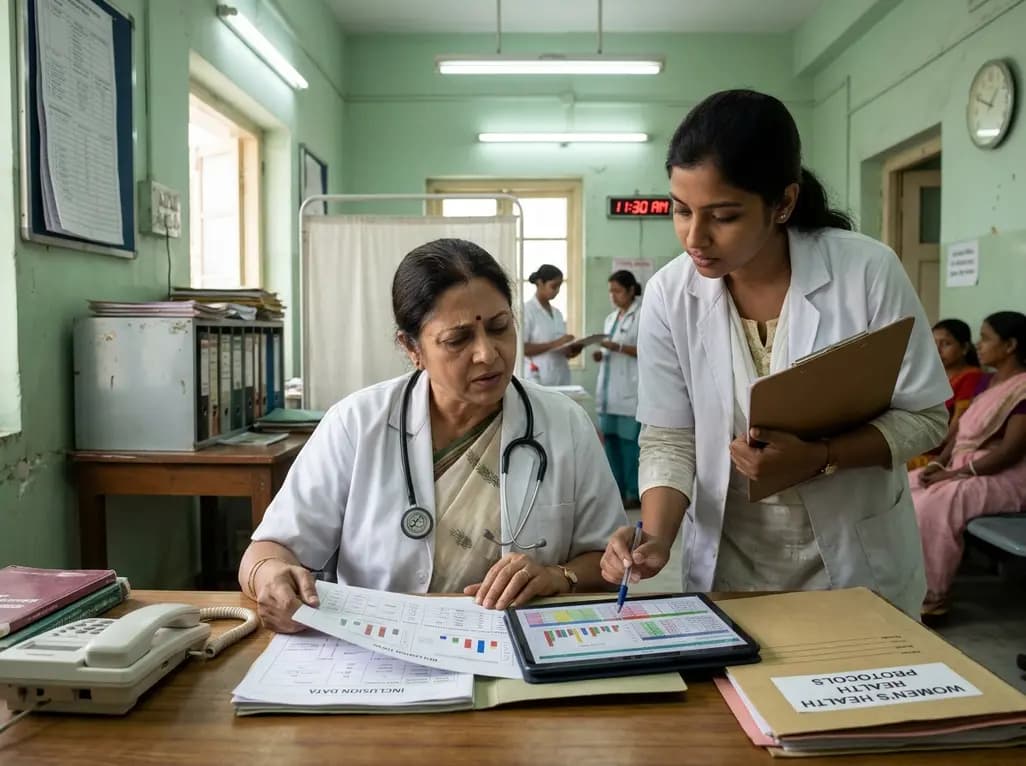
Demanding exhaustive hormonal profiling can inadvertently discourage clinical studies involving females. Methodological standards must align with the specific scientific question to expand, not restrict, equitable evidence for women.
Today
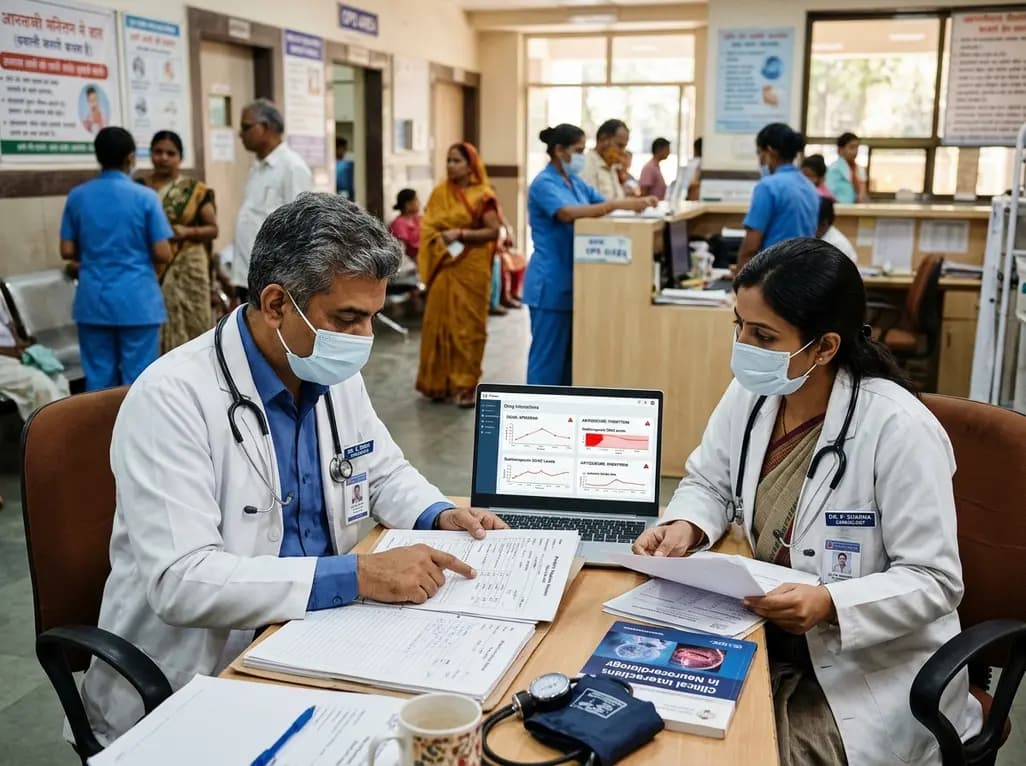
Co-administering antiseizure medications and DOACs frequently causes pharmacokinetic interactions, subtherapeutic drug levels, and thromboembolic failures. This review highlights enzyme induction risks, unpredictable outcomes with levetiracetam, and the vital role of therapeutic drug monitoring.
Today
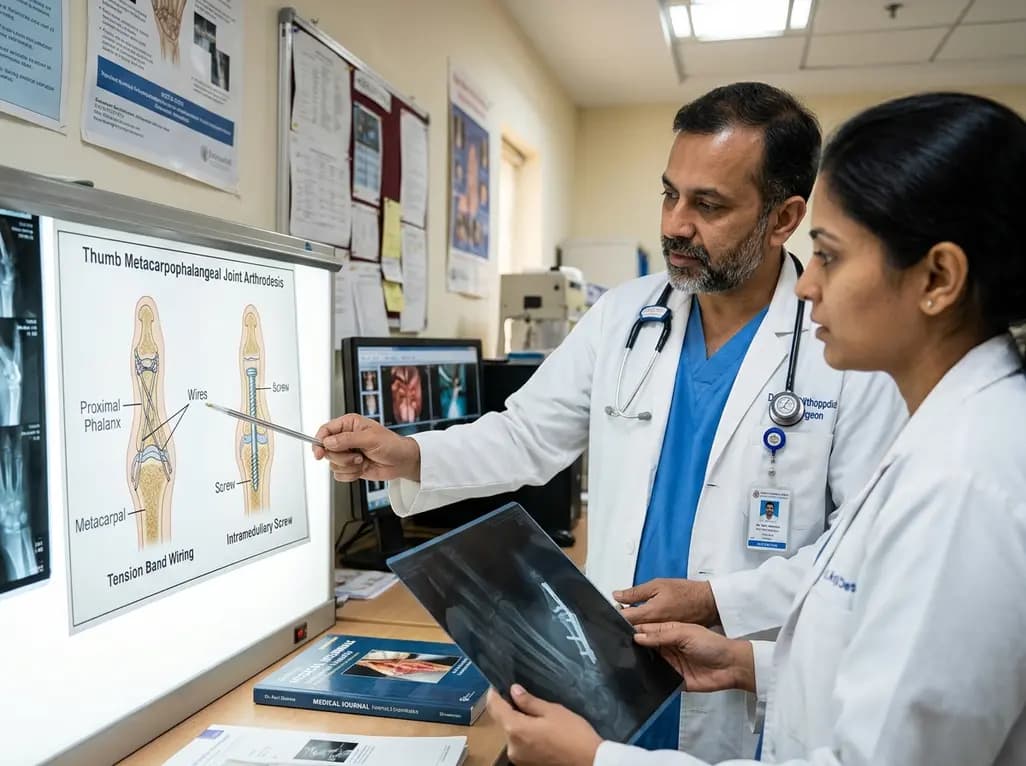
A comparative review of tension band wiring and intramedullary screw fixation in thumb metacarpophalangeal arthrodesis, evaluating union rates, hardware complications, and clinical outcomes.
Today

Following regulatory scrutiny from FSSAI regarding promotional representations and lean muscle preservation claims, Dr. Reddy's Laboratories and Nestlé Health Science are currently reviewing the branding and marketing strategy for their joint nutritional supplement Celevida GLP+.
Today
