.webp&w=384&q=75)

Loading, please wait...
Loading, please wait...

The National Medical Commission (NMC) has issued a crucial draft notification on February 17, 2026, outlining proposed amendments to the existing "Establishment of New Medical Institutions, Starting of New Medical Courses, Increase of Seats for Existing Courses & Assessment & Rating Regulations, 2023." These revised NMC medical regulations, formally titled "Establishment of New Medical Institutions, Starting of New Medical Courses, Increase of Seats for Existing Courses & Assessment & Rating (Amendment) Regulations, 2026," aim to refine the framework governing medical education in India. Therefore, medical professionals, institutions, and aspiring doctors must understand these impending changes.
The proposed amendments primarily target clauses 6, 9, 15, and 31 of the 2023 regulations. These changes encompass various aspects, including eligibility criteria for establishing medical institutions, documentary requirements for applications, financial mandates, and grounds for application rejection. Consequently, stakeholders need to review these specific updates carefully.
Firstly, the draft regulations propose the deletion of clause 6(a). Additionally, clause 6(g) will be replaced to explicitly allow companies incorporated under the Companies Act, 2013, or other relevant laws, to establish medical institutions. Moreover, a new clause 6(h) will be inserted, permitting trusts registered under their respective state statutes to also establish and regulate trusts in that state. This broadens the scope of entities eligible to set up medical colleges, aiming to expand medical education infrastructure.
Secondly, clause 9, which dictates application submission, undergoes significant revisions. The notification specifies new documentary requirements from eligible entities. Notably, clause 9(a) will be substituted to emphasize that an Essentiality Certificate (EC) from the concerned State Government or Union Territory administration remains mandatory, unless specified otherwise, and must be valid at the time of application. However, this EC requirement will not apply to established colleges applying for new postgraduate courses. Clause 9(b) is also updated, requiring a valid Consent of Affiliation (CoA) from a recognized university. Furthermore, clause 9(c) will be deleted. The draft also amends clause 9(d) to require a solvency certificate, issued by a Chartered Accountant, based on the last completed financial year, within ninety days prior to the application deadline. Consequently, these changes streamline the application process while ensuring comprehensive vetting.
A significant addition appears in clause 15. The applicant or entity must submit an undertaking for a corpus fund specifically dedicated to the functioning of the new medical institution. Furthermore, all existing medical colleges will also be required to maintain such a corpus fund. The Medical Assessment & Rating Board (MARB) will determine and communicate the corpus fund amount, subject to periodic revisions. Colleges must provide documentary proof of this fund when directed by MARB. This new financial mandate ensures sustained operational capabilities for medical institutions.
Moreover, clause 31 introduces amendments impacting application processing. Clause 31(c) will be revised to allow for the withholding or rejection of applications for new schemes or increased seats. Importantly, clause 31(h) now states that any attempt to exert pressure on MARB or NMC, whether by individuals or agencies, will result in the immediate halting or rejection of the application or request. These measures aim to uphold the integrity of the application and assessment process.
The National Medical Commission invites all affected stakeholders to submit their objections and suggestions on these draft NMC medical regulations. Therefore, this public consultation phase is critical for ensuring comprehensive input. The NMC will consider feedback received within 30 days from the date of publication of the draft regulations in the Gazette of India. You can submit objections and suggestions to the Director (PG-MARB), NMC, Room No. 003, Guest House, Ground Floor, National Medical Commission, Pocket – 14, Sector-8, Dwarka, Phase-1, New Delhi-77. Alternatively, you can send them via email to emiarr2026amendment@nmc.org.in using the prescribed format. Please note, only submissions made via the specified email ID will be considered; physical or other modes will not be entertained. This ensures a streamlined feedback process.
Disclaimer: This content is for informational and educational purposes only. It is not intended to be a substitute for professional medical advice, diagnosis, or treatment. Always seek the advice of your physician or other qualified health provider with any questions you may have regarding a medical condition. Refer to the latest local and national guidelines for clinical practice.
References

Read summarized clinical updates, watch expert medical content, and earn CME certifications right from your smartphone.
Open your smartphone camera to scan and install.





The National Medical Commission (NMC) has released draft amendments to its 2023 regulations, affecting new medical colleges, courses, and seat intake....
6 months ago
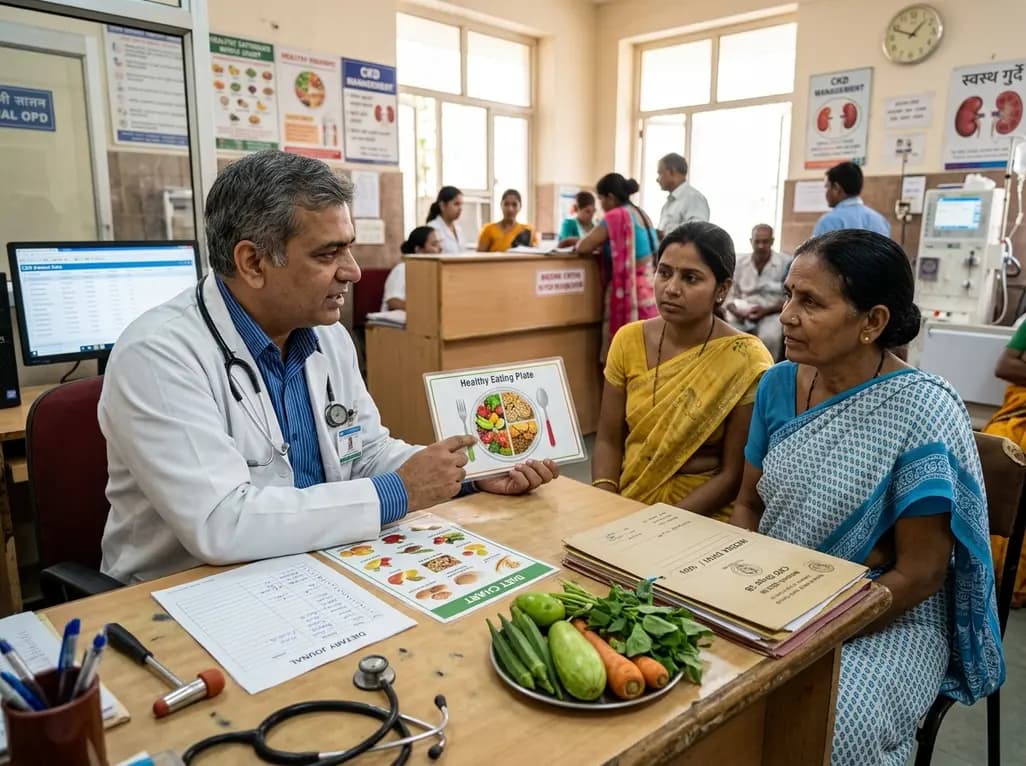
A large NHANES cohort study reveals that higher Healthy Eating Index scores significantly reduce all-cause mortality risk in CKD patients by 45%. This analysis highlights the importance of comprehensive diet quality and medical nutrition therapy in renal care to optimize long-term clinical survival.
Today

A prospective cohort study demonstrates that poor adolescent sleep quality, especially long sleep latency and reduced efficiency, increases dysmenorrhea severity in young adulthood. Addressing adolescent rest patterns offers a critical preventive avenue for clinicians.
Today
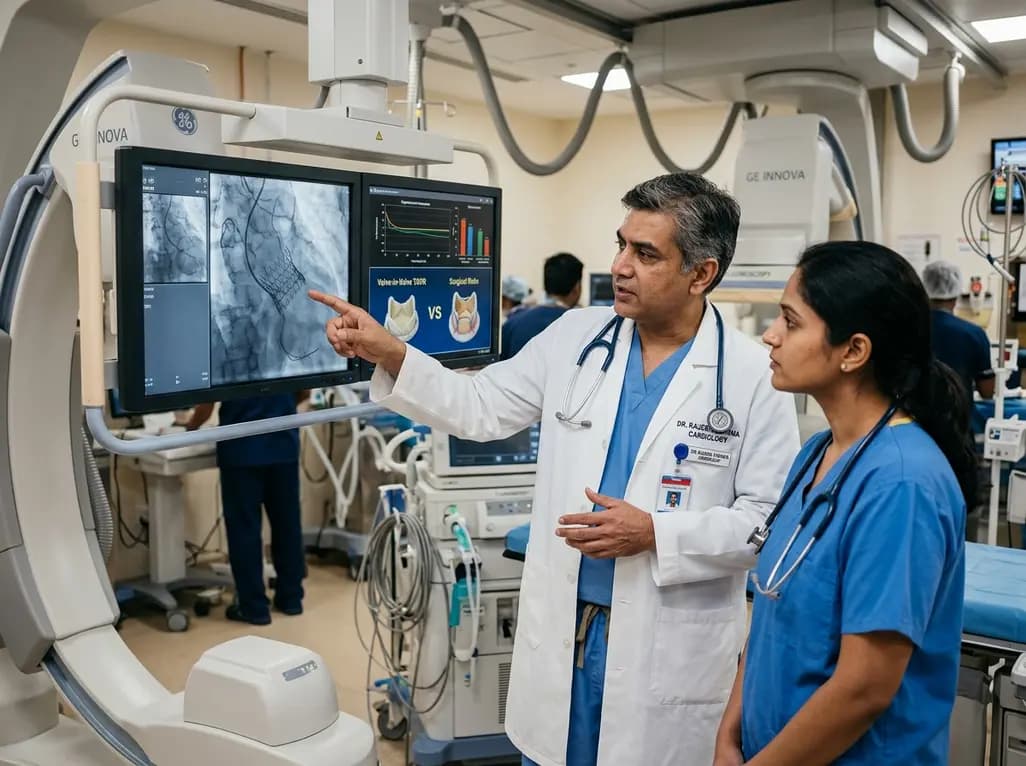
A meta-analysis of 13 propensity score-matched studies shows ViV-TAVR delivers lower early mortality and reduced bleeding compared to redo-SAVR for degenerated bioprosthetic aortic valves, though long-term hemodynamics warrant careful anatomical and patient-centered evaluation.
Today
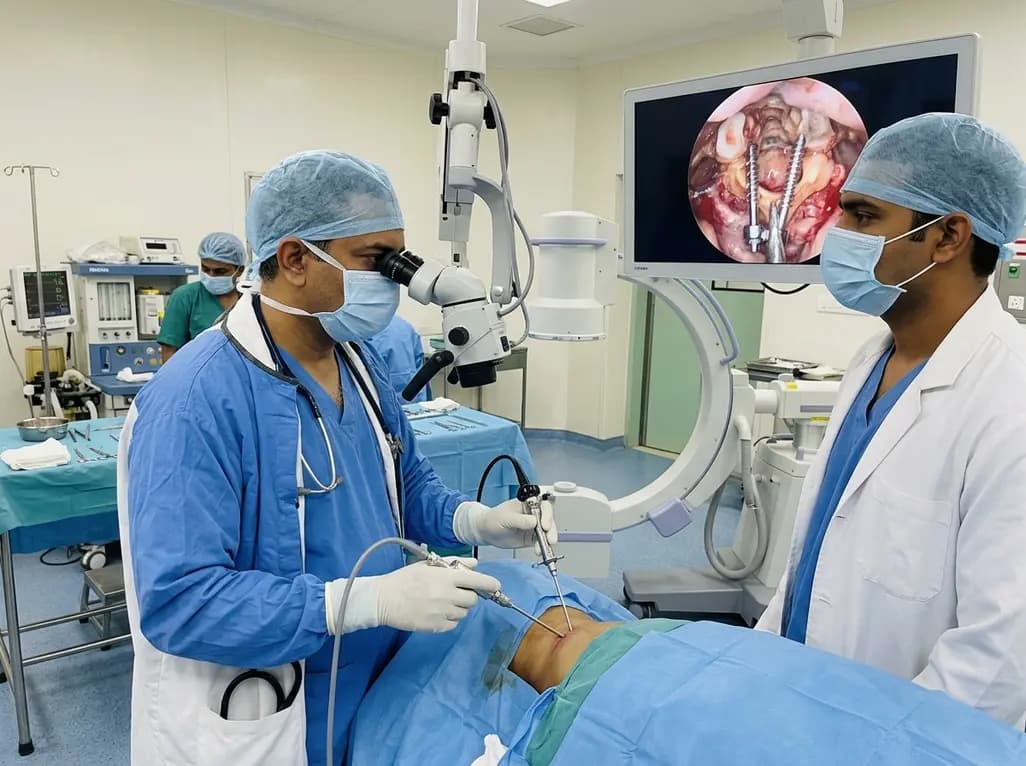
Endoscopic posterior cervical fusion combines minimally invasive decompression, joint preparation, and rigid screw-rod fixation for atlantoaxial pathologies. Early clinical findings demonstrate solid bony union, excellent symptom relief, and minimal soft-tissue morbidity without significant vascular compromise.
Today
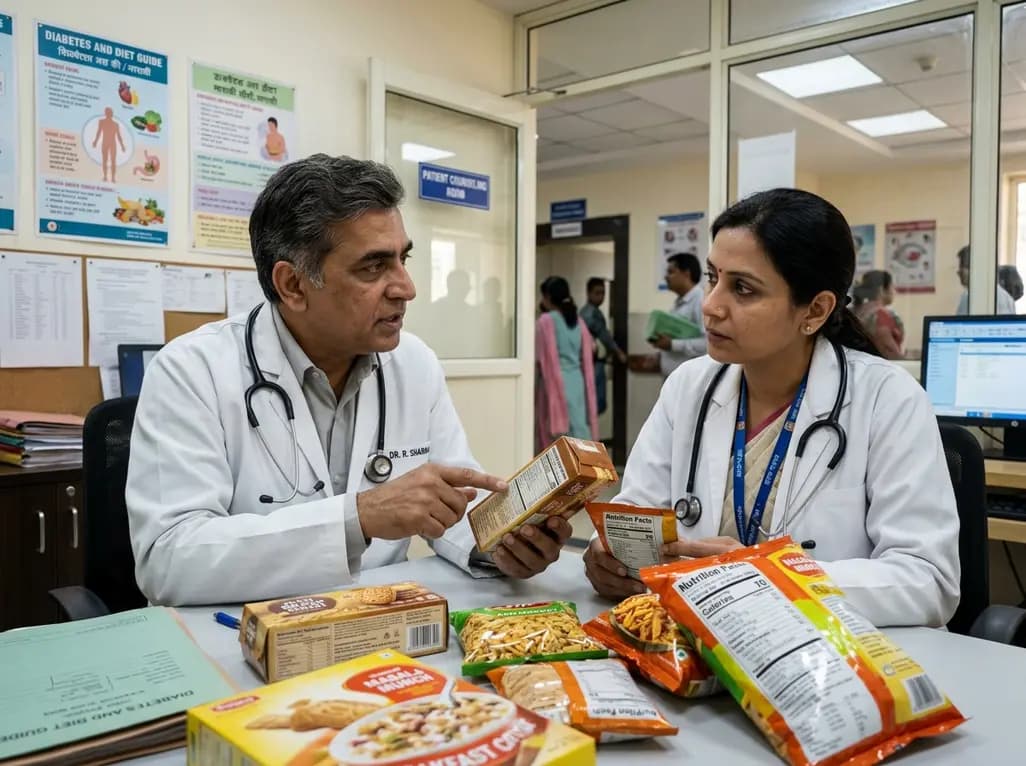
The All-India Food Processors' Association has approached the Supreme Court to oppose FSSAI's proposed per-100g benchmark for front-of-pack warning labels, advocating instead for a per-serving threshold. We explore the regulatory showdown, nutritional evidence, and implications for clinical lifestyle counseling.
Today
