.webp&w=384&q=75)

Loading, please wait...
Loading, please wait...

Indian cities are seeing a rise in night-time heatwaves, which significantly shift urban heat risks. Furthermore, current Heat Action Plans (HAPs) largely overlook these nocturnal events. Consequently, urban populations face prolonged exposure to extreme thermal stress. However, research suggests that compound heatwaves—daytime heat followed by night-time heat—are becoming more frequent. Specifically, over 70% of Indian districts reported additional very warm nights between 2012 and 2022. These findings indicate that daytime warming is no longer the only concern for public health experts. Therefore, clinicians must understand how nocturnal heat impacts physiological recovery.
High temperatures during the night prevent the human body from cooling down effectively. Moreover, this lack of recovery time increases the risk of severe heat stroke. Additionally, persistent heat worsens non-communicable diseases like diabetes and hypertension. Research identifies Srinagar as a city with a high frequency of compound events. Similarly, Varanasi recorded the most intense night-time heat. Consequently, doctors should monitor vulnerable patients more closely during these episodes. For instance, elderly patients or those in poorly ventilated housing face the greatest danger. Thus, localized warnings for nocturnal heat are becoming a necessity for clinical safety.
Authorities must update urban climate policies to prioritize night-time cooling interventions. Specifically, implementing cool roofs and improving natural ventilation can lower indoor temperatures. Furthermore, expanding urban greenery provides essential cooling corridors for dense neighborhoods. However, experts warn that solutions must fit local climates. For example, removable cool roofs work best in cities like Lucknow where winters are cold. Alternatively, permanent cooling solutions suit South Indian cities better. Consequently, public health responses must include dedicated night-time cooling shelters. Reliable electricity for fans and cooling devices also remains a critical requirement for patient safety.
Q1: What are compound heatwaves?
Compound heatwaves occur when a daytime heatwave is followed by a night-time heatwave, preventing the body from recovering from heat stress.
Q2: Why is nocturnal cooling critical for managing chronic diseases?
Adequate nocturnal cooling allows the body to regulate its core temperature. Without it, physiological stress can lead to complications in patients with hypertension and diabetes.
Disclaimer: This content is for informational and educational purposes only. It does not constitute medical advice or replace professional judgment. Refer to the latest local and national guidelines for clinical practice.
References

Read summarized clinical updates, watch expert medical content, and earn CME certifications right from your smartphone.
Open your smartphone camera to scan and install.





Research highlights how rising night-time heatwaves in Indian cities require updated Heat Action Plans to mitigate risks like heat stroke and NCD complicati...
5 months ago
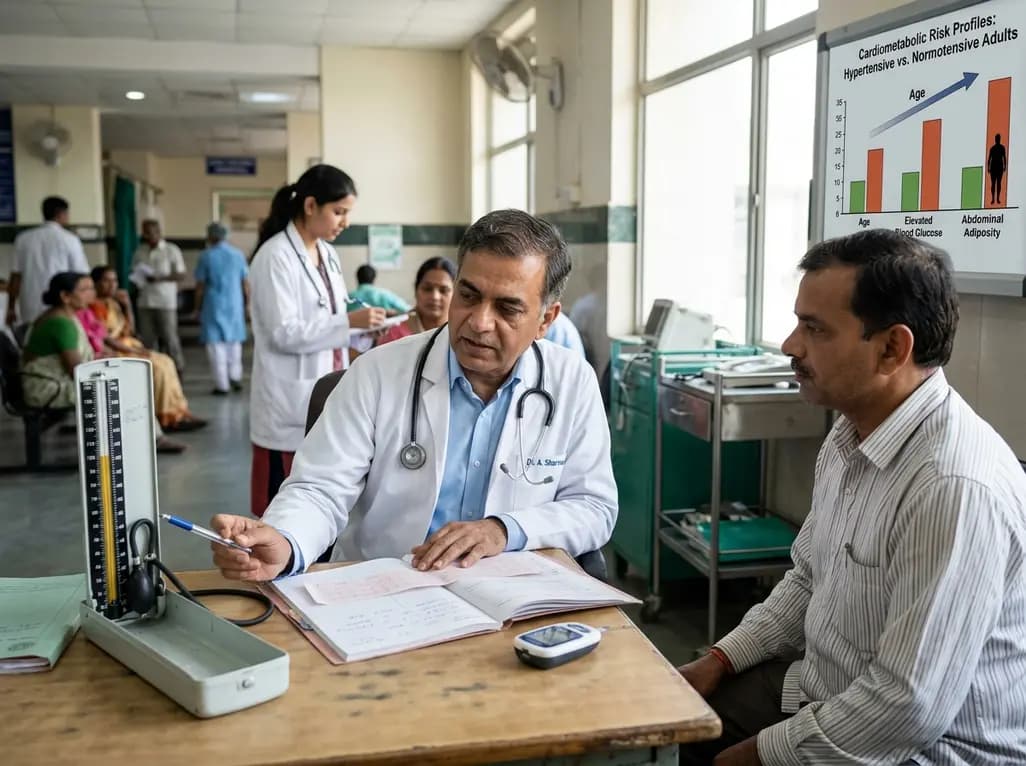
A comparative analysis shows that older age, elevated blood glucose, and abdominal adiposity are primary drivers of hypertension. Comprehensive evaluation of cardiometabolic risk profiles enables clinicians to detect overlapping metabolic dysfunctions early and optimize targeted prevention strategies.
Today

A premature neonate developed upper limb compartment syndrome after uterine rupture extruded the arm through a scar defect. Conservative management with continuous monitoring yielded complete functional recovery and normal limb growth at 10-year follow-up, highlighting non-operative safety in selected cases.
Today
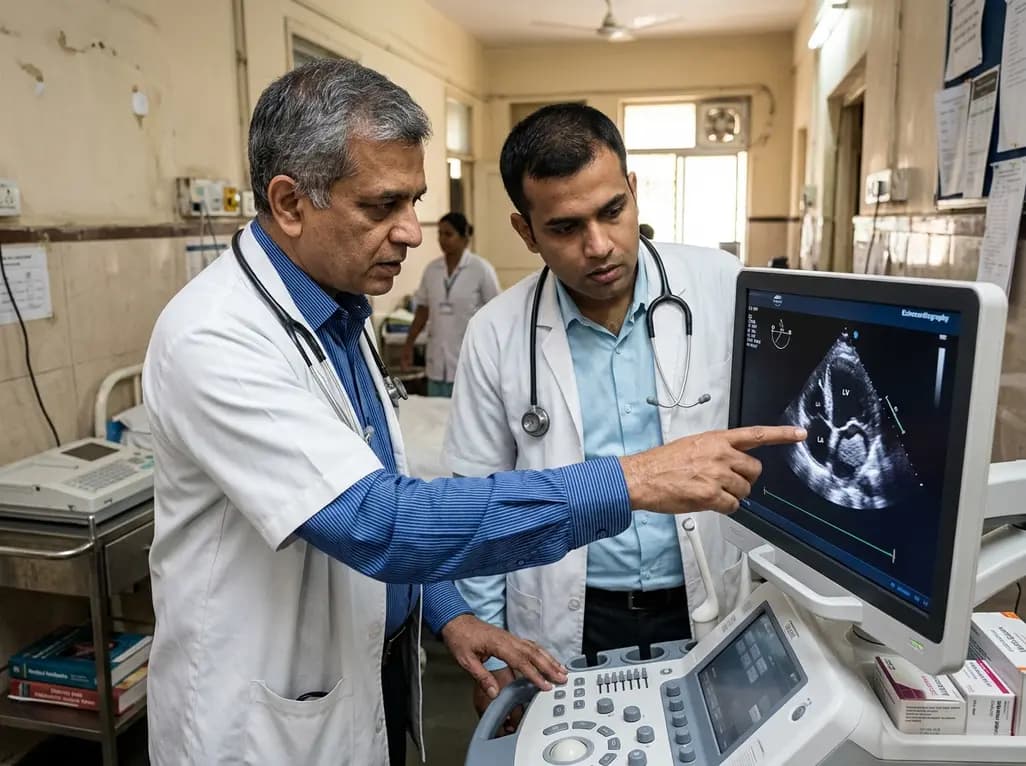
Left ventricular thrombus is a severe complication of acute decompensated heart failure. This clinical review explores the pathophysiology, imaging challenges, and pharmacotherapeutic considerations of laminated thrombi, evaluating the evolving role of direct oral anticoagulants versus traditional warfarin.
Today
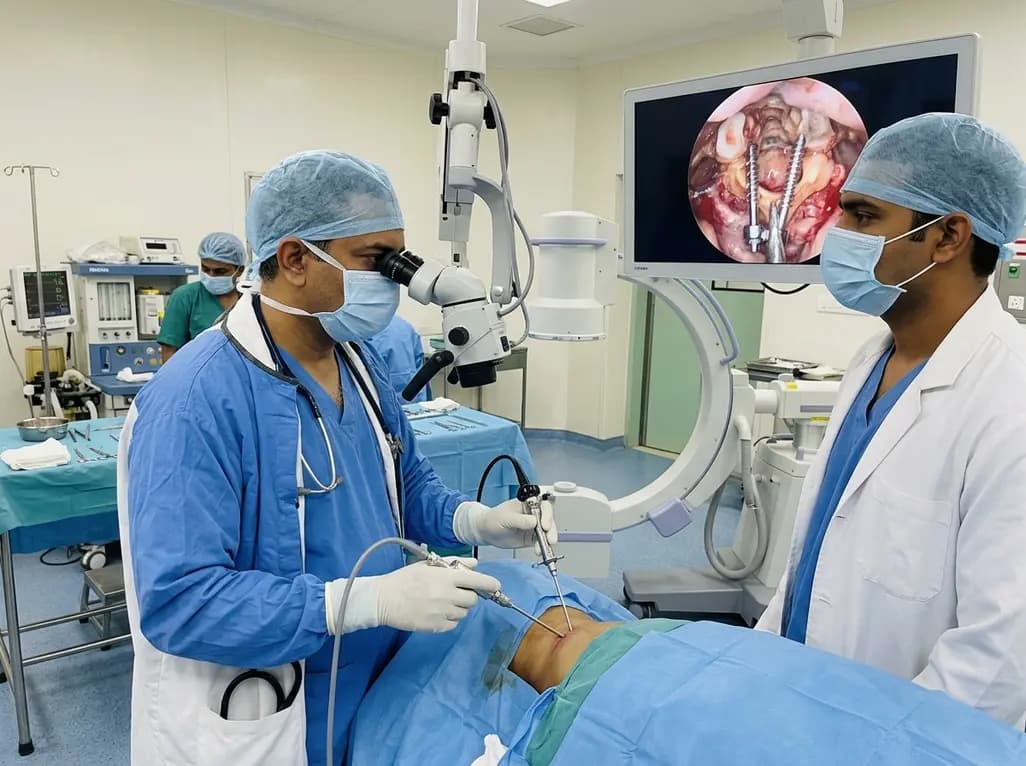
Endoscopic posterior cervical fusion combines minimally invasive decompression, joint preparation, and rigid screw-rod fixation for atlantoaxial pathologies. Early clinical findings demonstrate solid bony union, excellent symptom relief, and minimal soft-tissue morbidity without significant vascular compromise.
Yesterday

Atherosclerosis involves extensive glycometabolic reprogramming across immune and vascular cells. This review examines how glycolysis, the pentose phosphate pathway, and lactate-driven epigenetic shifts fuel plaque vulnerability, while highlighting novel therapeutic targets like PFKFB3 and LDHA.
Today
