.webp&w=384&q=75)

Loading, please wait...
Loading, please wait...

Exclusive breastfeeding provides unmatched nutritional and immunological benefits for infants. However, clinicians must remain vigilant regarding the risk of malnutrition during the first week of life. A recent study highlights the critical nature of neonatal hypernatremic dehydration (NHD), a condition that can lead to severe complications or even death if not identified early. Understanding the clinical presentations and risk factors is essential for every pediatrician and nursing professional.
Research involving 141 newborns diagnosed with this condition shows that the average age of presentation is approximately four days. Furthermore, a significant number of these infants are male. The study revealed a mean weight loss of 11.33%, which serves as a vital clinical marker. Consequently, healthcare providers should prioritize weight monitoring during early postnatal visits.
The most frequent presenting complaint in these cases is malnutrition, followed closely by neonatal jaundice. Additionally, maternal factors play a significant role. For instance, roughly 41% of the infants in the study were delivered via caesarean section. While most patients showed normal transcranial ultrasonography results, a small percentage exhibited signs of cerebral oedema or haemorrhage. Therefore, persistent jaundice or lethargy in a breastfed neonate warrants immediate electrolyte evaluation.
Awareness remains the most powerful tool against neonatal hypernatremic dehydration. Physicians must encourage early postnatal check-ups within the first 48 to 72 hours after discharge. Moreover, lactation support is crucial. Teaching mothers successful breastfeeding techniques and identifying signs of inadequate milk transfer can significantly reduce hospitalization rates. Early intervention often prevents the need for intensive care and ensures better long-term outcomes for the infant.
The most common signs include excessive weight loss (often exceeding 10% of birth weight), poor feeding or malnutrition, and jaundice. Some infants may also appear lethargic or irritable.
Prevention focuses on early postnatal check-ups, close monitoring of the baby's weight, and providing mothers with professional breastfeeding support and education on proper latching techniques.
Yes, studies indicate a higher prevalence of NHD in infants born via caesarean section, possibly due to delayed lactogenesis or physical challenges in initiating early breastfeeding.
Disclaimer: This content is for informational and educational purposes only and does not constitute medical advice. Always seek the advice of a qualified healthcare provider with any questions regarding a medical condition. Refer to the latest local and national guidelines for clinical practice.
References
Durukan Tosun M et al. Hypernatremic Dehydration in Breastfed Neonates: Clinical Findings and Risk Factors. J Hum Lact. 2026 Apr 20. doi: 10.1177/08903344261432421. PMID: 42007909.
Mujawar NS, Jaiswal AN. Neonatal hypernatremia and hypernatremic dehydration in neonates receiving exclusive breastfeeding. Indian J Crit Care Med. 2017;21(1):30-33. doi:10.4103/0972-5229.198323.
Shivanagouda J, Gayathri K, Roopa BN. Hypernatremic dehydration in exclusively breast-fed neonates: A clinical study. Int J Pediatr Res. 2017;4:525-30.

Read summarized clinical updates, watch expert medical content, and earn CME certifications right from your smartphone.
Open your smartphone camera to scan and install.





This study highlights clinical presentations and risk factors for hypernatremic dehydration in exclusively breastfed neonates, emphasizing early check-ups....
6 months ago

A retrospective analysis reveals that cavotricuspid isthmus ablation using a variable-loop pulsed field ablation catheter achieves acute conduction block safely and efficiently during concomitant atrial fibrillation procedures.
Today
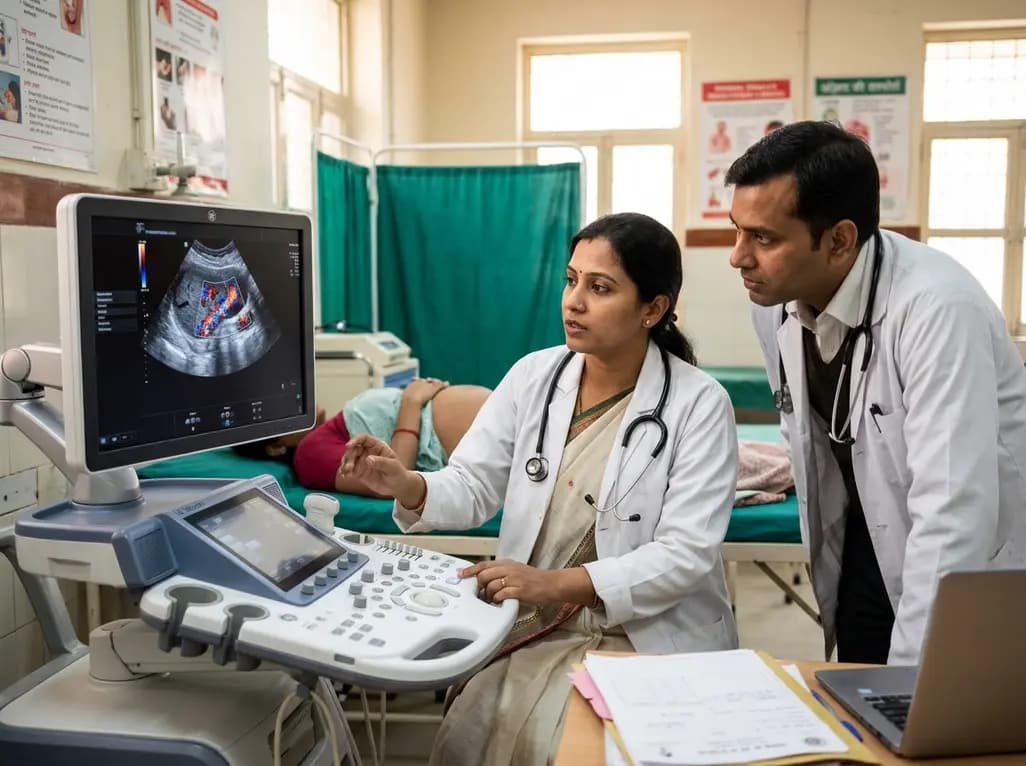
A study in Ultrasound in Obstetrics & Gynecology shows that quantitative vascularization of the anterior fornix/cervix with transvaginal ultrasound reliably identifies placenta accreta spectrum and predicts severe intraoperative hemorrhage, offering vital objective risk stratification.
Today
A clinical study highlights how coupling interval variability assessed through Poincaré plots differentiates right ventricular outflow tract premature ventricular contractions from left ventricular origins, optimizing patient selection and procedural strategy for radiofrequency catheter ablation.
Today

A novel proof-of-concept study presents a six-degree-of-freedom articulated manikin neck equipped with linear potentiometers. The system provides real-time kinematic motion feedback during cervical immobilisation, delivering sub-degree tracking accuracy to improve pre-hospital trauma training and patient safety.
Today

Protein O-GlcNAcylation couples cellular nutrient status to vital neuronal functions. This review explores how disrupted O-GlcNAc cycling drives both neurodevelopmental delays and neurodegenerative cascades, positioning metabolic post-translational modifications as therapeutic targets in clinical neurology.
Today
