.webp&w=384&q=75)

Loading, please wait...
Loading, please wait...

In tropical regions like India, healthcare research focus remains largely fixed on malaria and dengue vectors. Consequently, this trend leads to neglected Culex mosquitoes and the various pathogens they carry. A new systematic literature review reveals that research on Culex species is significantly lower in countries endemic for malaria and dengue compared to non-endemic regions.
The study examined over 1,300 publications from 2010 and 2020 to quantify this reporting bias. Results showed that non-endemic countries included Culex data in 64.5% of their studies. However, malaria-endemic countries reported on Culex in only 30.2% of their published literature. This gap exists despite the heavy burden of Culex-borne diseases such as Japanese Encephalitis and Lymphatic Filariasis in regions like India. Furthermore, the research emphasis shifted toward Aedes during the Zika and dengue expansions between 2010 and 2020. In contrast, reporting on Anopheles actually decreased during the same period.
This evidence indicates that global research priorities often respond to high-profile human-amplified pathogens rather than zoonotic risks. Specifically, Culex mosquitoes transmit several zoonotic pathogens that require consistent monitoring to prevent unexpected outbreaks. Therefore, researchers should include broader mosquito community data when publishing malaria or dengue vector studies. Additionally, public health officials must allocate attention proportional to the total human health burden of all vectors. By addressing the status of neglected Culex mosquitoes, the medical community can better prepare for emerging infectious disease threats.
Research often prioritizes the high mortality and morbidity of malaria and dengue. Consequently, vectors like Culex receive less funding and scientific attention in endemic regions.
Culex mosquitoes are the primary vectors for Japanese Encephalitis and Lymphatic Filariasis. These diseases represent major public health concerns in many Indian states, including Uttar Pradesh and Bihar.
Scientists should include complete data on all mosquito species found during field collections. This ensures that even if the primary focus is on malaria, data on neglected Culex mosquitoes is preserved for future public health analysis.
Disclaimer: This content is for informational and educational purposes only... Refer to the latest local and national guidelines for clinical practice.
References

Read summarized clinical updates, watch expert medical content, and earn CME certifications right from your smartphone.
Open your smartphone camera to scan and install.





A systematic review reveals that Culex mosquitoes are under-reported in malaria and dengue-endemic countries, highlighting a gap in infectious disease resea...
6 months ago
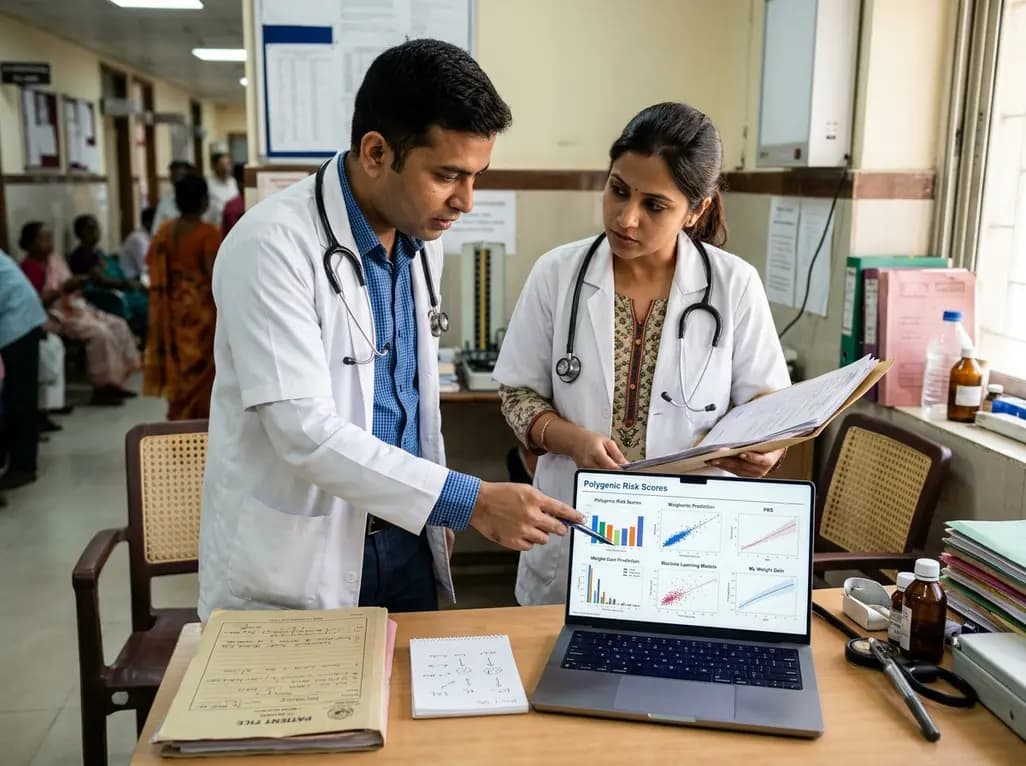
An observational study from the NIH All of Us Research Program reveals that adding a multi-ancestry polygenic risk score to machine learning models provides only modest improvements in predicting adult weight gain, underscoring the enduring significance of routine clinical and lifestyle factors.
Today
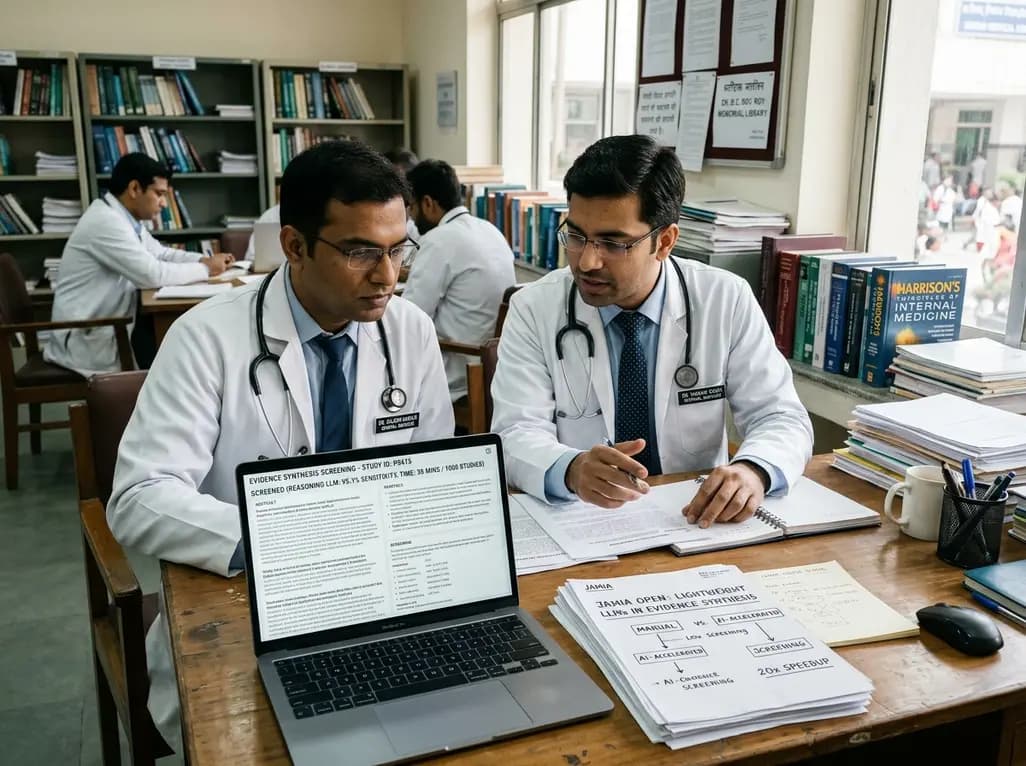
A study in JAMIA Open shows lightweight open-source reasoning LLMs achieve up to 95% sensitivity and accelerate evidence synthesis screening by nearly twentyfold, presenting a cost-effective, scalable AI solution for biomedical research and systematic reviews.
Today
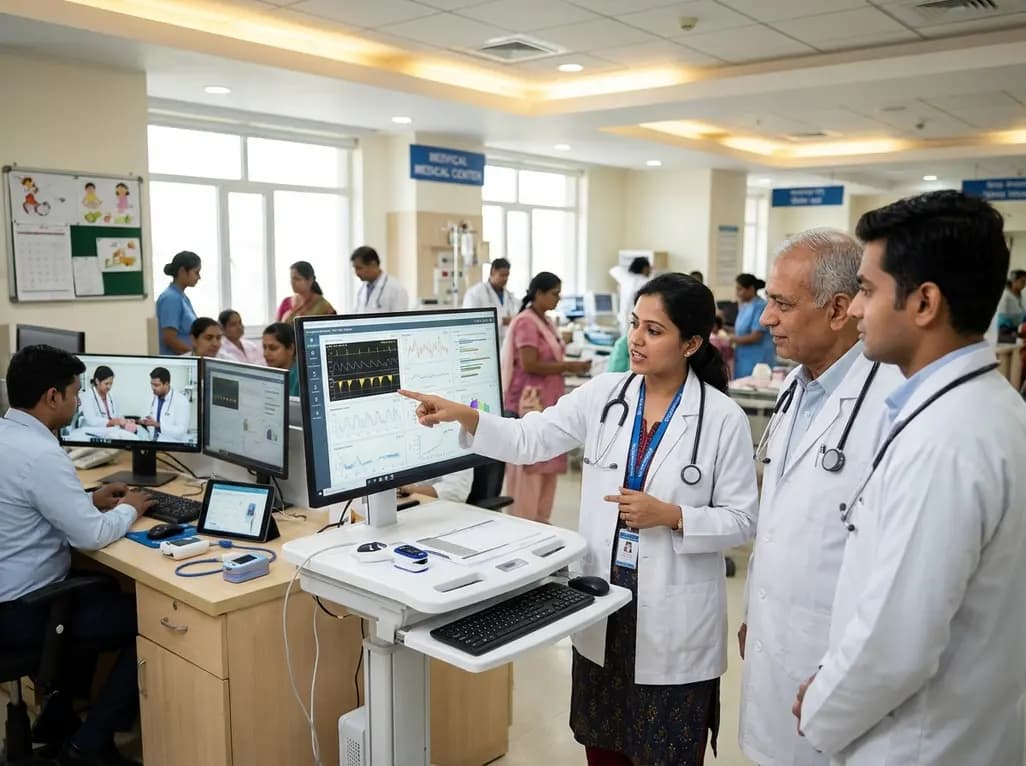
A landmark study details how an enterprise pediatric remote patient management model expanded from a single cardiology pilot to 16 diverse specialty programs by combining centralized digital operations with specialty clinical leadership.
Today
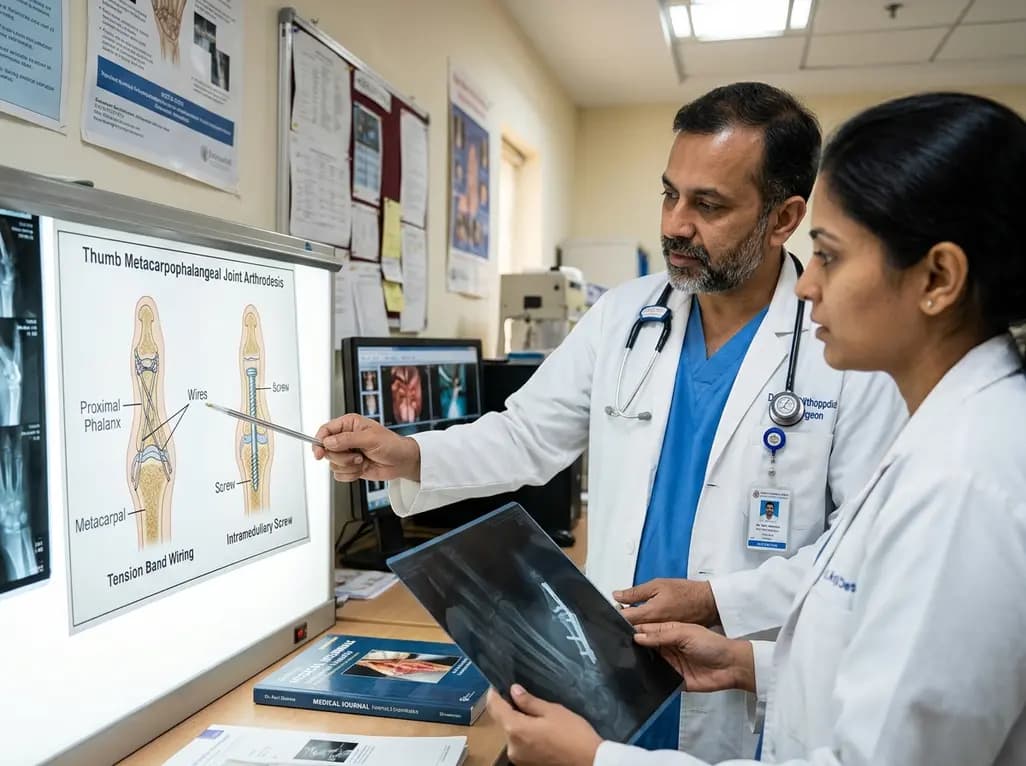
A comparative review of tension band wiring and intramedullary screw fixation in thumb metacarpophalangeal arthrodesis, evaluating union rates, hardware complications, and clinical outcomes.
Yesterday
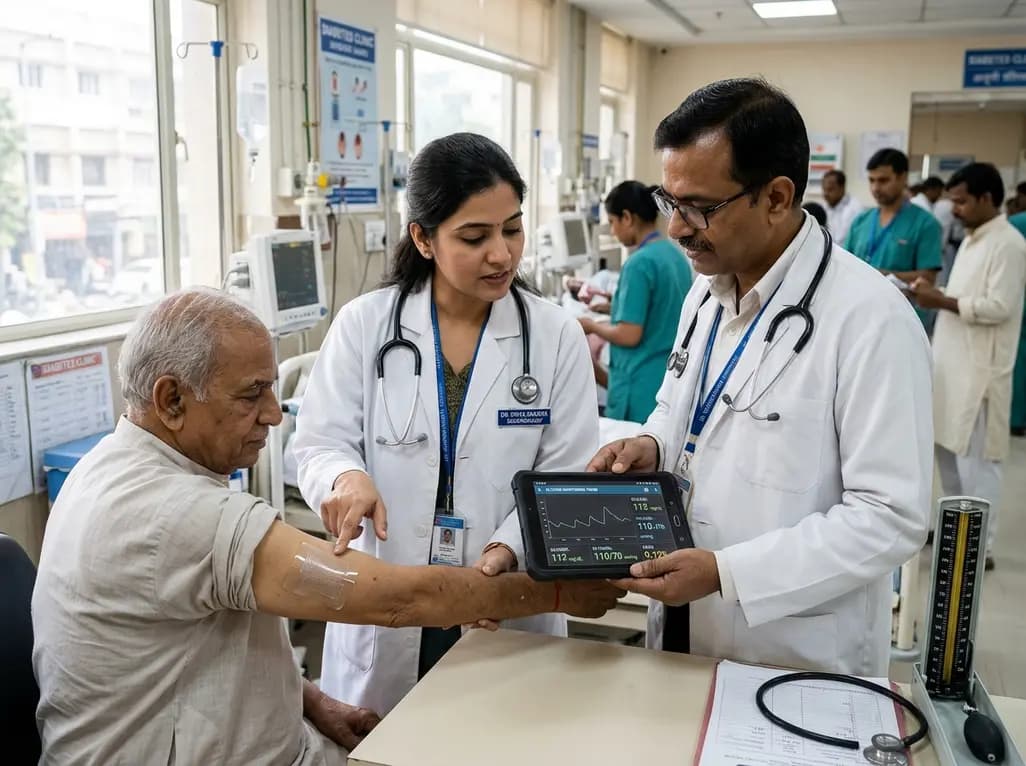
A breakthrough ultrathin multimodal sensor decouples physical hemodynamic monitoring from disposable electrochemical calibration, achieving long-term wearable glucose prediction with 81.36% accuracy and a 9.12% MARD. This offers a robust, drift-free solution for outpatient metabolic surveillance.
Yesterday
