.webp&w=384&q=75)

Loading, please wait...
Loading, please wait...

Traditional fertility assessments often emphasize the quantity of eggs remaining in the ovaries. However, recent advances in reproductive science focus on oocyte quality determinants as the primary driver of successful pregnancies. Biological health determines fertilization rates and subsequent embryo development. Consequently, clinicians must look beyond the ovarian reserve to understand the cellular mechanisms influencing reproductive aging.
Energy production is vital for successful oocyte development. The oocyte is one of the most energy-demanding cells in the human body. Specifically, each egg contains thousands of mitochondria. These organelles generate ATP to support chromosome alignment and spindle formation. Furthermore, when mitochondrial efficiency declines, the cell fails to support essential reproductive events. Ultimately, this leads to poor embryo quality and developmental arrest.
Oxidative stress significantly affects reproductive outcomes by damaging cellular structures. Reactive oxygen species (ROS) serve as signaling molecules in normal metabolism. However, an excessive accumulation of ROS creates an imbalance within the ovary. This stress damages mitochondrial DNA and cell membranes. Moreover, it impacts the surrounding granulosa cells that support follicle development. Reducing systemic oxidative stress through lifestyle modifications may preserve the metabolic environment of the ovary.
Telomeres act as protective caps at the ends of chromosomes. They maintain genomic stability during the frequent cell divisions required for embryonic growth. In addition, as cells age, telomeres gradually shorten. This process contributes to cellular dysfunction and increases the risk of chromosomal abnormalities. Specifically, shorter telomeres correlate with a reduced ovarian reserve and an earlier onset of menopause. Therefore, maintaining chromosomal integrity remains a cornerstone of oocyte health.
The success of In Vitro Fertilization (IVF) depends heavily on maternal cellular resources. During the first few days after fertilization, the embryo relies on proteins and transcripts stored within the egg. If the oocyte lacks these resources, development may slow down or stop before implantation occurs. Currently, specialists use indirect indicators, such as embryo development patterns, to assess egg competence. Emerging research aims to improve mitochondrial efficiency and reduce oxidative damage to optimize clinical outcomes.
Q1: Why is mitochondrial function critical for oocyte quality?
Mitochondria produce the ATP required for energy-intensive processes like chromosome alignment, spindle formation, and early embryo development.
Q2: Can lifestyle changes improve oocyte quality?
While aging is irreversible, healthy nutrition, regular exercise, and avoiding smoking can lower oxidative stress and support the ovarian metabolic environment.
Q3: How do specialists measure oocyte quality clinically?
Currently, clinicians rely on indirect markers like embryo development patterns in IVF, as direct biomarkers for oocyte competence are still limited in routine practice.
Disclaimer: This content is for informational and educational purposes only. It does not constitute medical advice or replace professional judgment. Refer to the latest local and national guidelines for clinical practice.
References

Read summarized clinical updates, watch expert medical content, and earn CME certifications right from your smartphone.
Open your smartphone camera to scan and install.





Understand how mitochondrial function, oxidative stress, and telomere length impact oocyte quality and reproductive aging outcomes in clinical practice....
7 months ago
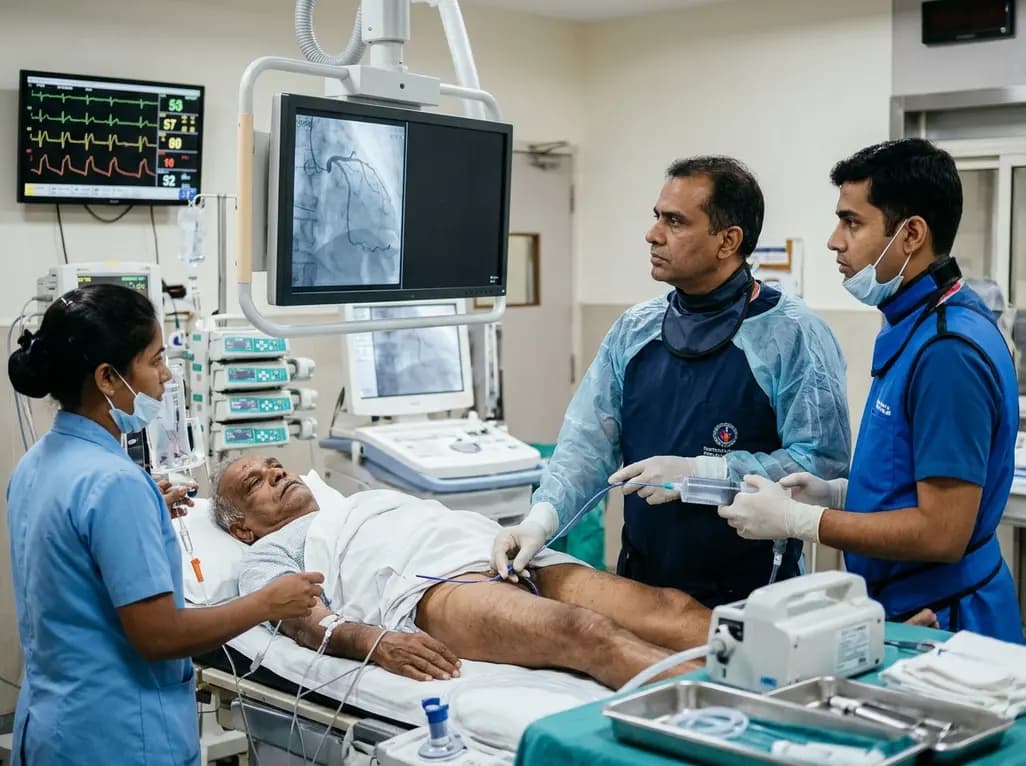
An elderly man with partially repaired Tetralogy of Fallot presented with STEMI caused by coronary embolism rather than atherosclerosis. Successful treatment with sustained mechanical aspiration thrombectomy underscores the vital need for high clinical vigilance in adult congenital heart disease.
Today

Demanding exhaustive hormonal profiling can inadvertently discourage clinical studies involving females. Methodological standards must align with the specific scientific question to expand, not restrict, equitable evidence for women.
Today

A recent study demonstrates that spinal oxygen sensors do not require mitochondrial electron transport to trigger sympathetic excitation during acute hypoxia, revealing new insights into how mitochondrial oxidative stress modulates autonomic tone in cardiovascular and neurological diseases.
Today

A comparative review of tension band wiring and intramedullary screw fixation in thumb metacarpophalangeal arthrodesis, evaluating union rates, hardware complications, and clinical outcomes.
Today

Following regulatory scrutiny from FSSAI regarding promotional representations and lean muscle preservation claims, Dr. Reddy's Laboratories and Nestlé Health Science are currently reviewing the branding and marketing strategy for their joint nutritional supplement Celevida GLP+.
Today
