.webp&w=384&q=75)

Loading, please wait...
Loading, please wait...

Researchers recently evaluated the MiniDock MTB tuberculosis detection system in a large-scale, multi-country study. Furthermore, this prospective trial enrolled 1380 participants to assess the tool's diagnostic performance. Consequently, clinicians tested both sputum and tongue swabs against gold-standard culture results. Additionally, the study compared the device with the established Xpert MTB/RIF Ultra assay. Moreover, the results demonstrated that the system performs reliably across diverse clinical environments. Specifically, the test met World Health Organization (WHO) targets for sensitivity and specificity in near-point-of-care settings.
In addition, the MiniDock MTB tuberculosis detection system provides significant advantages over traditional smear microscopy. For instance, its sensitivity for sputum was 24.3 percentage points higher than microscopy. However, it is important to note that sensitivity remains lower in patients with low bacterial loads. Despite this, the tongue swab option represents a major breakthrough for individuals who cannot produce sputum. Therefore, this portable tool could expand molecular testing access in peripheral health centers. Similarly, the rapid turnaround time of 25 minutes allows for immediate clinical decision-making.
Furthermore, healthcare workers praised the device for its simplicity and ease of use. As a result, the system usability scale reached a median score of 75. Meanwhile, the portable design requires minimal laboratory infrastructure or specialized training. In contrast to high-cost diagnostic platforms, this device is significantly more affordable for resource-limited settings. Notably, no adverse events occurred during the swabbing or testing processes. To clarify, the test uses a simple procedure that patients find highly acceptable. Importantly, these factors collectively support its role as a transformative tool for global tuberculosis control.
In clinical trials, MiniDock MTB demonstrated a sensitivity level for sputum swabs that was nearly identical to the Xpert MTB/RIF Ultra assay. Specifically, the difference in sensitivity was only -2.8 percentage points, making it a comparable molecular alternative.
Yes, tongue swabs proved highly effective, achieving a sensitivity of 79.6% in this study. Consequently, they meet the WHO target of at least 75% sensitivity for non-sputum samples, offering a non-invasive option for patients.
The device costs less than $400 and requires no specialized laboratory infrastructure. Moreover, healthcare workers reported high usability, citing its rapid 25-minute results and simple, battery-compatible operation.
Disclaimer: This content is for informational and educational purposes only and does not constitute medical advice. Always seek the advice of a physician or other qualified health provider with any questions regarding a medical condition. Refer to the latest local and national guidelines for clinical practice.
References
Yerlikaya S et al. Pulmonary Tuberculosis Detection with MiniDock MTB Using Swab Samples. N Engl J Med. 2026 Apr 30. doi: 10.1056/NEJMoa2509761. PMID: 42054680.
World Health Organization. WHO consolidated guidelines on tuberculosis. Module 3: Diagnosis - Rapid diagnostics for tuberculosis detection. Geneva: World Health Organization; 2026.
Steadman A, et al. Diagnostic accuracy of swab-based molecular tests for tuberculosis using near-point-of-care platforms: a multi-country evaluation. EBioMedicine. 2025 Nov;121:105991. doi:10.1016/j.ebiom.2025.105991.

Read summarized clinical updates, watch expert medical content, and earn CME certifications right from your smartphone.
Open your smartphone camera to scan and install.





MiniDock MTB meets WHO accuracy and usability targets for tuberculosis detection using sputum and tongue swabs, providing a portable diagnostic solution....
5 months ago
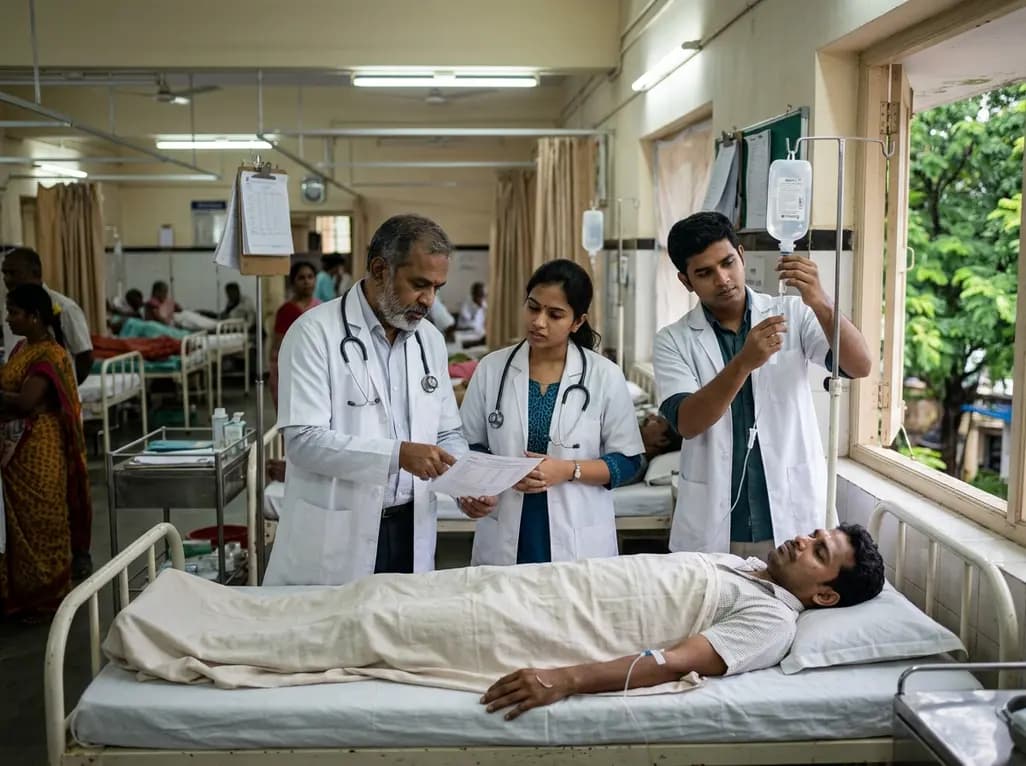
With post-monsoon dengue surges threatening South Asian health systems, physicians must refine triage and management. This guide covers vital warning signs, plasma leakage detection, crystalloid titration, and vector containment strategies to prevent mortality during seasonal arboviral epidemics.
Today
Findings from Project Viva indicate that sustained postpartum weight retention, rather than excessive gestational weight gain alone, directly worsens women's mid-life cardiovascular health, degrading blood pressure and glycemic parameters decades after delivery.
Today
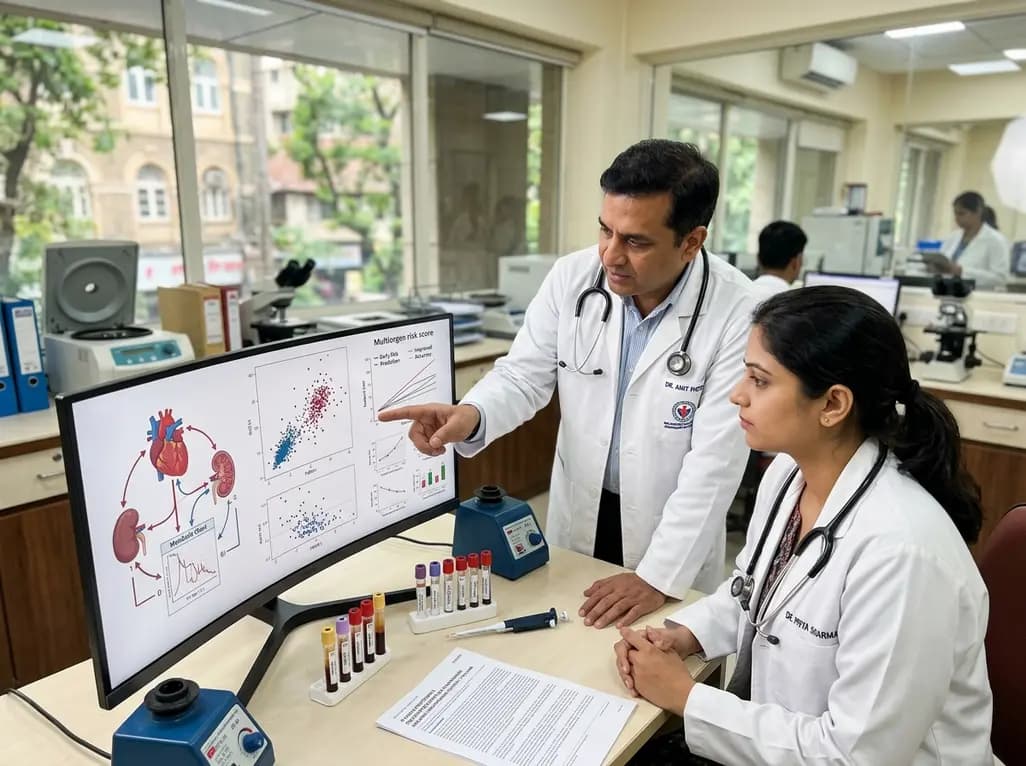
A large UK Biobank study reveals that plasma proteomic signatures capture preclinical organ damage and improve multiorgan risk prediction across early CKM syndrome stages 0 to 2 beyond traditional PREVENT clinical models.
Today
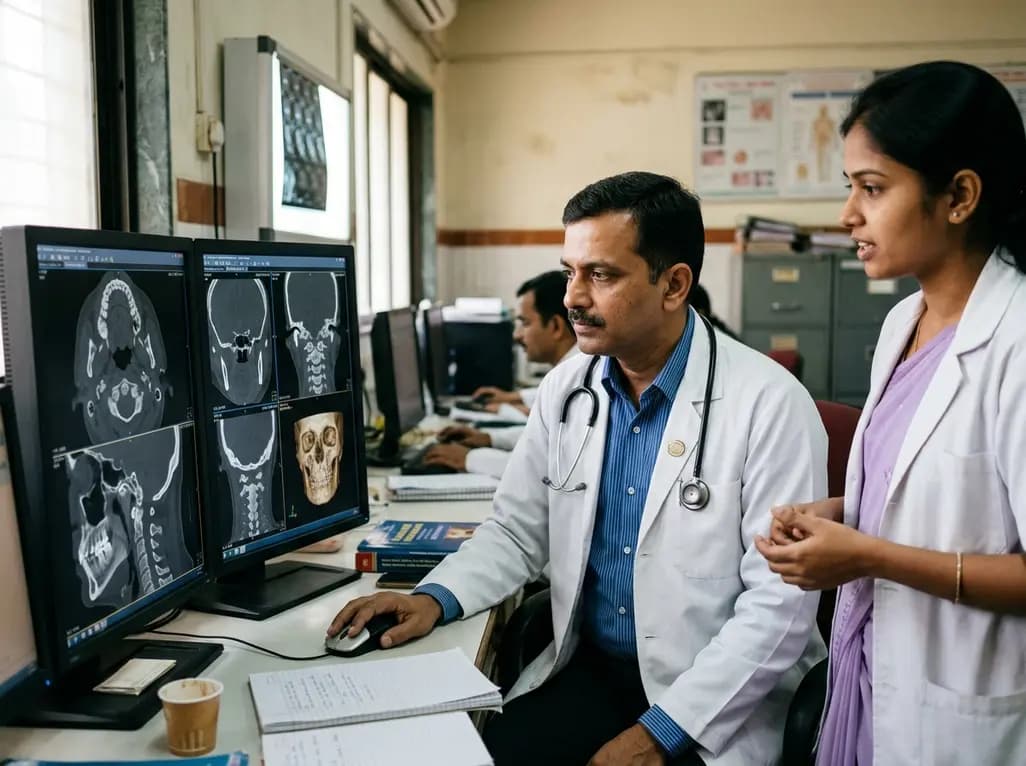
A retrospective CBCT study reveals that superior TMJ space asymmetry correlates moderately with occipital condyle-atlas-axis asymmetry in unilateral TMJ osteoarthritis, highlighting an imaging correlate between jaw biomechanics and upper cervical alignment rather than a standalone diagnostic marker.
Today
A Bayesian multilevel meta-analysis reveals that aerobic training combined with moderate carbohydrate restriction modestly lowers HbA1c in type 2 diabetes. However, sparse data and very low certainty leave incremental benefits over exercise or diet alone unproven, highlighting the need for individualized care.
Today
