.webp&w=384&q=75)

Loading, please wait...
Loading, please wait...

Researchers recently explored how micronutrients for teen irritability can change clinical outcomes for adolescents struggling with emotional regulation. The Balancing Emotions of Adolescents with Micronutrients (BEAM) trial focused on 132 unmedicated teenagers. These participants suffered from moderate to severe irritability and frequent temper outbursts. After eight weeks, the micronutrient group showed significant improvement compared to those on a placebo. Furthermore, this approach outperformed the control group in key clinical measures of emotional reactivity. It targets physiological vulnerabilities directly. Consequently, clinicians now have a scalable biological alternative to traditional psychiatric medications.
The study identified a massive effect in teenagers with Disruptive Mood Dysregulation Disorder (DMDD). Approximately 64% of the micronutrient group responded positively to the treatment. In contrast, only 12.5% of the placebo group showed similar results. Parents also noticed significantly better conduct and increased prosocial behaviors in their children. Additionally, the intervention helped reduce suicidal ideation over time, which is a critical finding for youth mental health. This suggests that nutritional support stabilizes metabolic vulnerabilities in at-risk youth. Moreover, the trial design allowed for remote monitoring, making the intervention accessible to rural and underserved communities.
Most participants tolerated the high-dose vitamin and mineral formula well during the trial. Only one side effect, diarrhea, appeared more frequently in the treatment group than in the placebo group. However, taking the pills with food and water typically resolved this temporary issue. Interestingly, teens from lower socioeconomic backgrounds experienced the greatest clinical benefits. These findings suggest that micronutrients may address specific nutritional gaps prevalent in disadvantaged groups. Therefore, publicly funded supplementation could effectively reduce health inequities in mental health care. Furthermore, this research reframes some cases of irritability as nutritional and metabolic vulnerabilities rather than just behavioral issues.
Q1: Which group of teenagers benefited most from the micronutrient treatment?
Teens diagnosed with Disruptive Mood Dysregulation Disorder (DMDD) and those from lower socioeconomic backgrounds showed the most significant improvements in the BEAM trial.
Q2: Were there any serious side effects reported during the study?
No serious side effects occurred. The most common issue was diarrhea, which affected about 21% of the micronutrient group and was usually managed by taking the supplements with food.
Q3: How long does it take for micronutrients to show an effect on irritability?
The clinical trial monitored participants over eight weeks, with many showing rapid improvements in clinician-rated irritability and teen-reported quality of life within the first few weeks.
Disclaimer: This content is for informational and educational purposes only. It does not constitute medical advice or replace professional judgment. Refer to the latest local and national guidelines for clinical practice.
References

Read summarized clinical updates, watch expert medical content, and earn CME certifications right from your smartphone.
Open your smartphone camera to scan and install.





A clinical trial demonstrates that daily broad-spectrum micronutrients significantly reduce severe irritability and suicidal ideation in teenagers with DMDD...
7 months ago
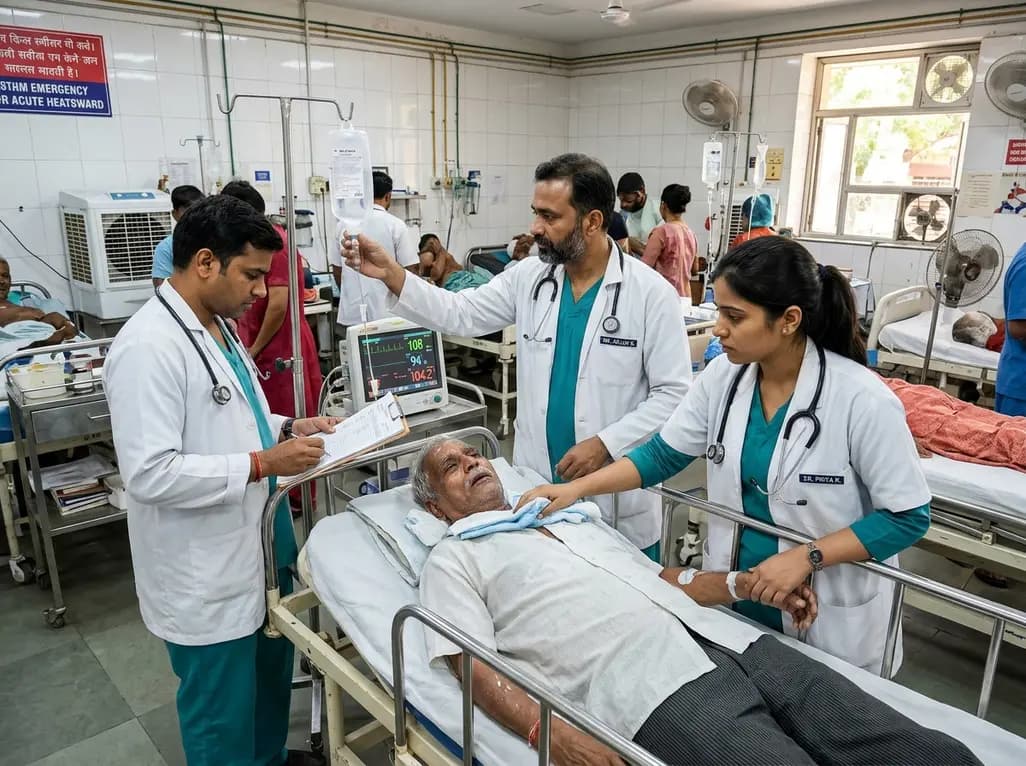
Recent epidemiological data reveals a dramatic surge in summer heat mortality driven by human-induced climate warming. This analysis explores the pathophysiological impacts on cardiac and renal systems, diagnostic dilemmas in death certification, and essential emergency cooling protocols for acute clinical care.
Today
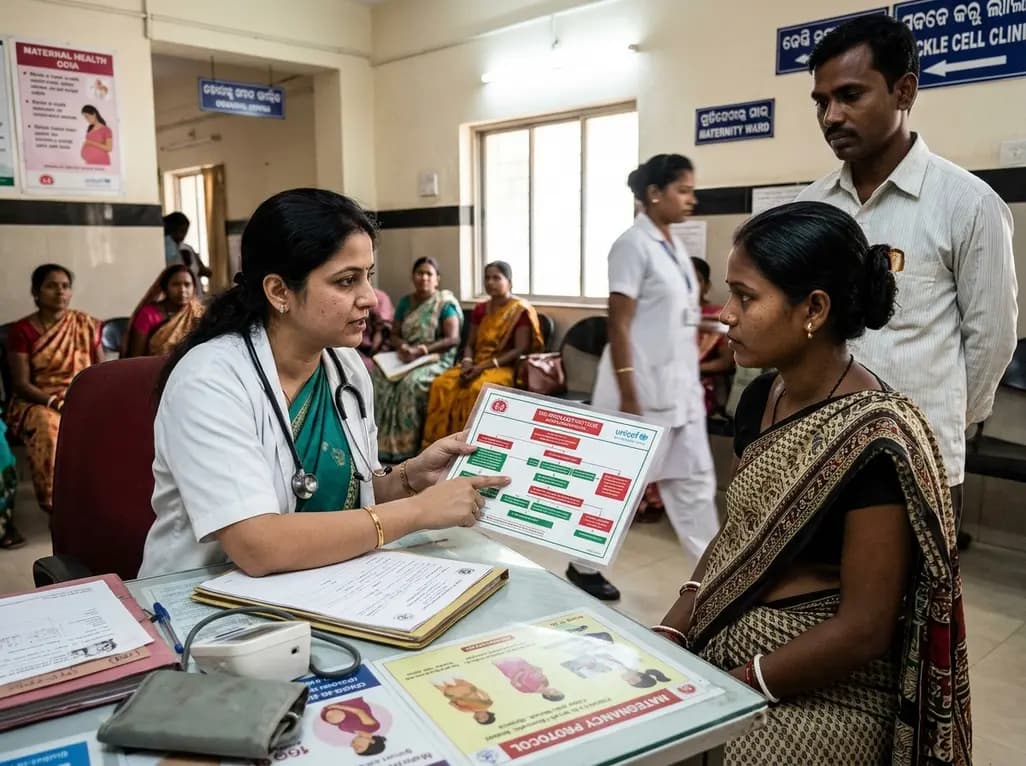
Odisha has established India's first state-level clinical protocol specifically tailored for pregnant women with sickle cell disease. Developed with NHM and UNICEF, the framework provides structured antenatal screening, crisis mitigation, standardized referral pathways, and specialized interdisciplinary care.
Today

India is advancing preventive healthcare by integrating genomics, artificial intelligence, and quantum technologies. With the SANGAM programme sequencing one million Indian genomes, clinicians can unlock personalized therapies, detect cardiometabolic risks early, and curb the burden of diabetes and heart disease.
Today
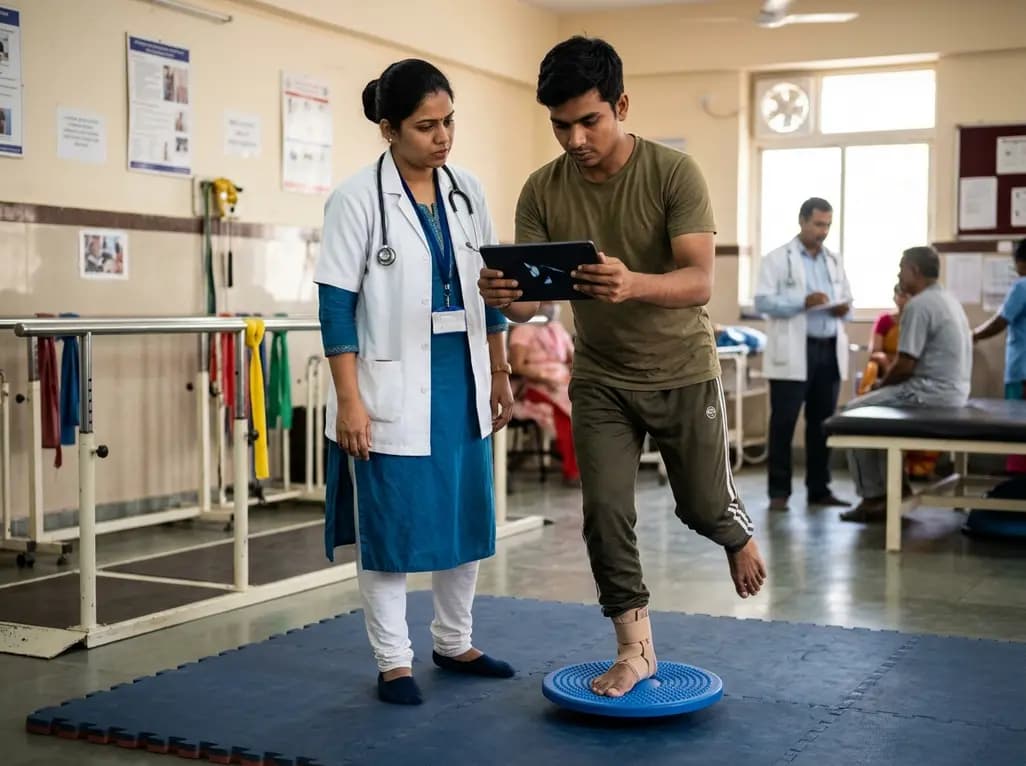
A randomized controlled trial demonstrates that an eight-week dual-task training intervention significantly improves static and dynamic postural control over standard balance exercises in individuals with chronic ankle instability, addressing critical neurocognitive deficits during athletic and daily activities.
Today

A retrospective cohort study of 7,716 ICU patients from the MIMIC-IV database demonstrates that Gradient Boosting Decision Trees significantly outperform traditional SOFA scores in predicting in-hospital mortality among patients with sepsis and diabetes, with SHAP analysis providing clinical interpretability.
Today
