
Loading, please wait...
.webp&w=384&q=75)
Loading, please wait...
"Wherever the art of Medicine is loved, there is also a love of Humanity."
Hippocrates

To address critical healthcare needs, Murata Electronics Singapore partnered with open innovation platform Tribe. Consequently, they launched the KUMIHIMO Tech Camp Singapore. This MedTech innovation programme invites advanced healthcare startups from ASEAN and India. Furthermore, participants will co-develop purpose-built medical technologies tailored to the region's challenges.
Currently, ASEAN and India collectively represent over two billion people. However, this vast population faces complex healthcare burdens. These difficulties include rapid population ageing and a rising burden of chronic illnesses. Additionally, maternal and child healthcare gaps remain a major issue across these countries.
Specifically, the initiative targets deep-tech and MedTech startups operating in India or eligible ASEAN nations. Eligible companies must have a Technology Readiness Level (TRL) of 3 or higher. Therefore, early-stage concepts with initial proof-of-concept validation are highly encouraged to apply. Selected teams will subsequently join a structured program. In this camp, they will receive technical onboarding, hands-on mentorship, and direct support. Murata's engineering and business development teams will work closely with them. As a result, this collaboration will accelerate the commercialisation of locally relevant healthcare products.
Ultimately, this program aims to foster technologies that address the unique needs of local healthcare systems. By strengthening collaboration between innovators and industry leaders, the initiative hopes to bridge existing gaps. Meanwhile, startups can leverage Murata's global expertise to refine their clinical solutions. This synergy will eventually empower healthcare providers in India and ASEAN. Consequently, patients will gain access to more affordable and precise diagnostics and treatments.
Q1: What is the focus of the KUMIHIMO Tech Camp Singapore?
A1: The initiative is an open innovation programme that brings together ASEAN and India startups. Specifically, they aim to develop purpose-built healthcare technologies addressing regional medical challenges.
Q2: Which startups are eligible to apply for this MedTech innovation programme?
A2: Deep-tech and MedTech startups operating or headquartered in India and eligible ASEAN countries are eligible. However, they must have reached Technology Readiness Level (TRL) 3 or above.
Q3: How does the programme support selected teams?
A3: Selected teams participate in a structured programme. Additionally, they receive technical onboarding, direct mentorship, and engineering collaboration with Murata's specialized teams.
Disclaimer: This content is for informational and educational purposes only. It does not constitute medical advice or replace professional judgment. Refer to the latest local and national guidelines for clinical practice.
References
Link will be sent via SMS to your number.



Singapore hosts the KUMIHIMO Tech Camp, a collaborative initiative by Murata Electronics and Tribe. This MedTech innovation programme invites startups from ASEAN and India to address regional healthcare gaps like ageing populations and chronic diseases by co-developing purpose-built healthcare technologies.
6 days back
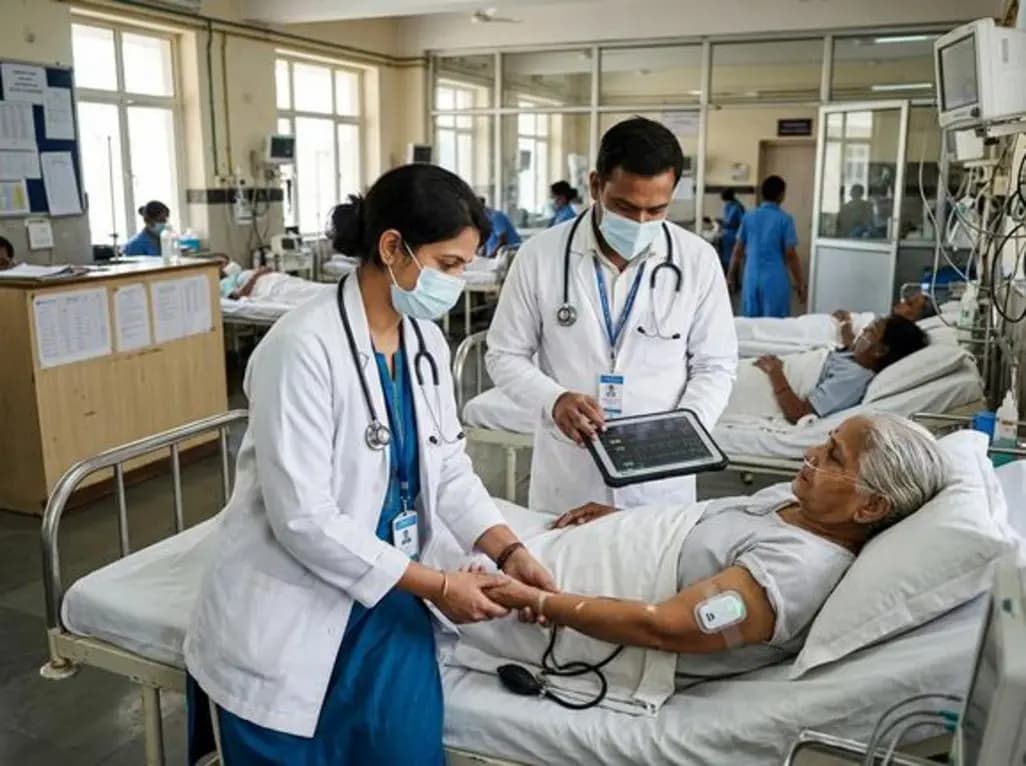
A retrospective study highlights the role of wearable monitoring systems in tracking COVID-19 patients, showing increased manual vital sign checks for unstable patients despite no change in overall clinical outcomes.
Today
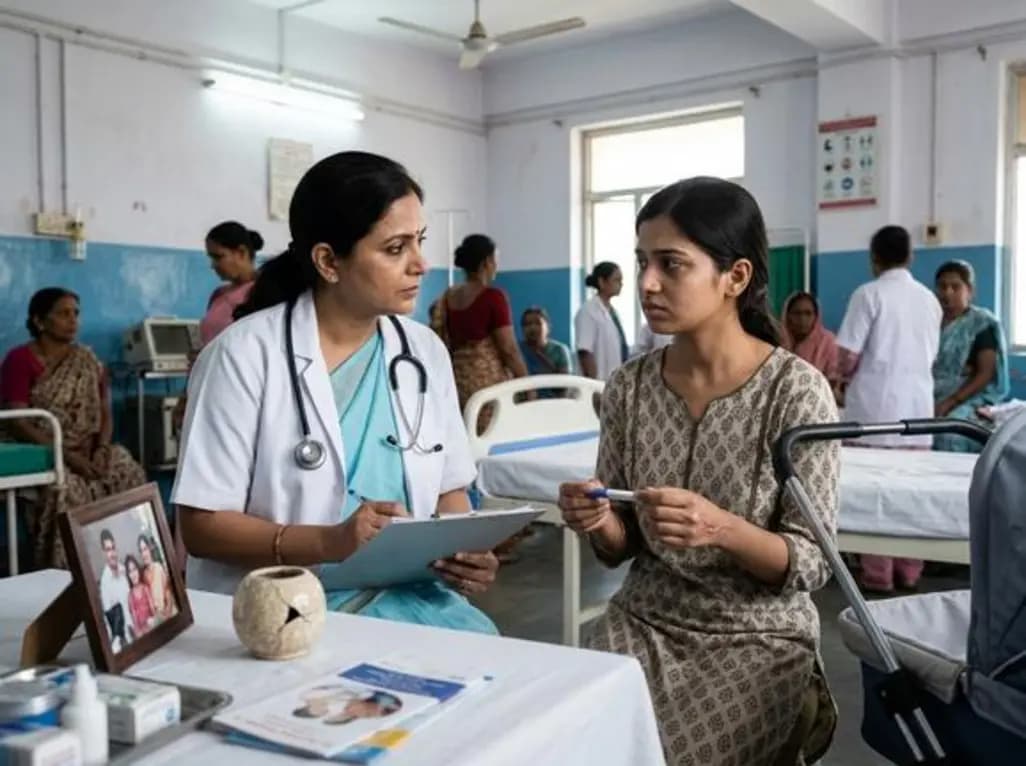
A study on 294 women after the Kahramanmaras earthquake shows that death distress, especially death depression, significantly influences fertility intentions. Key factors include age, income, and trauma experience, highlighting the need for mental health support in post-disaster care.
Today
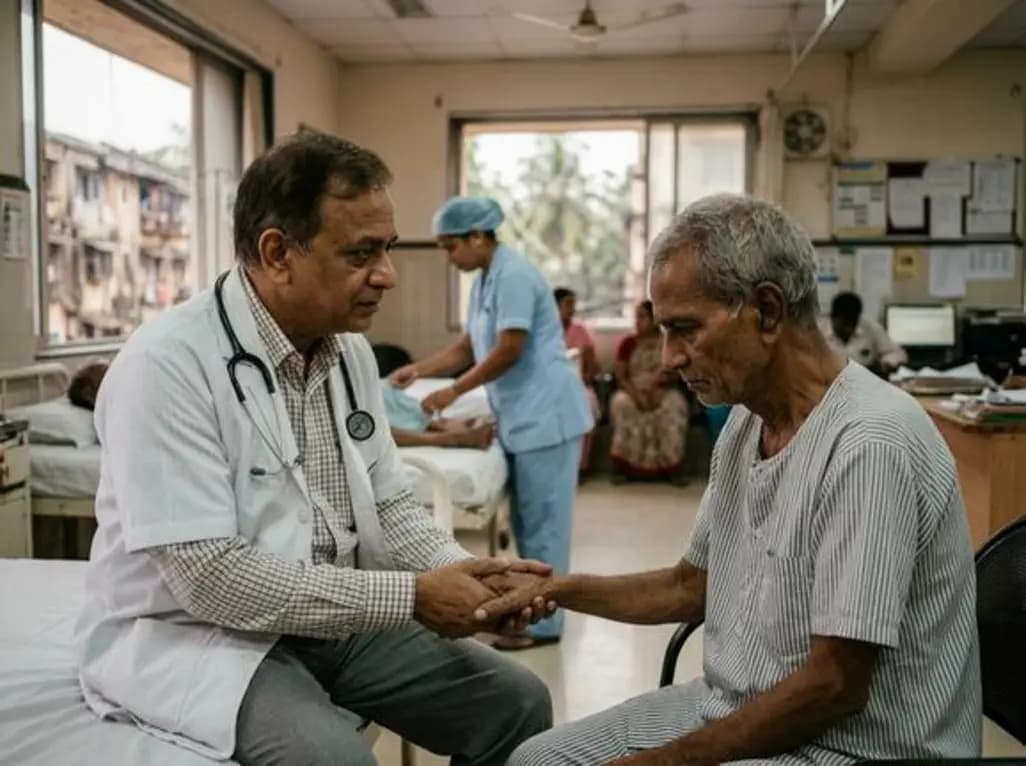
A multicohort study across 33 countries reveals that loneliness significantly increases the risk of cardiometabolic disease, particularly multimorbidity. The study highlights the synergistic impact of unhealthy lifestyles and low socioeconomic status on cardiovascular health in aging populations.
Today
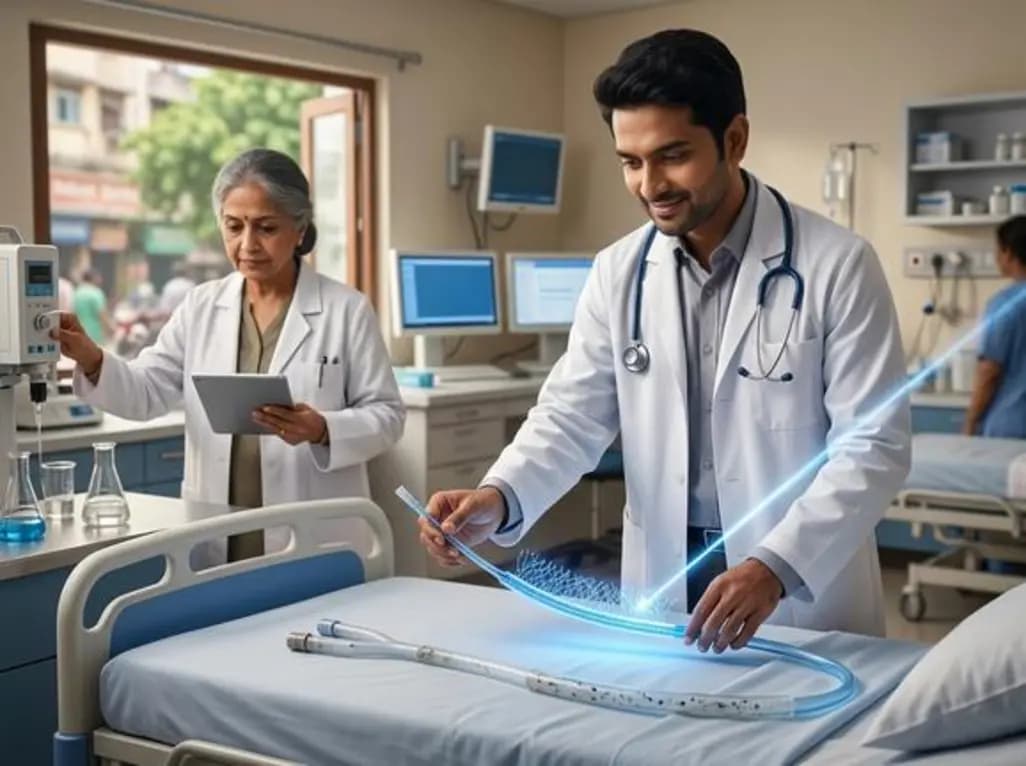
Recent research highlights mussel-inspired catechol-amine copolyether brushes as a breakthrough in antifouling. By achieving high grafting density and maintaining chemical integrity, these coatings effectively prevent biofilm formation on medical devices, offering a substrate-independent solution for clinicians.
Today
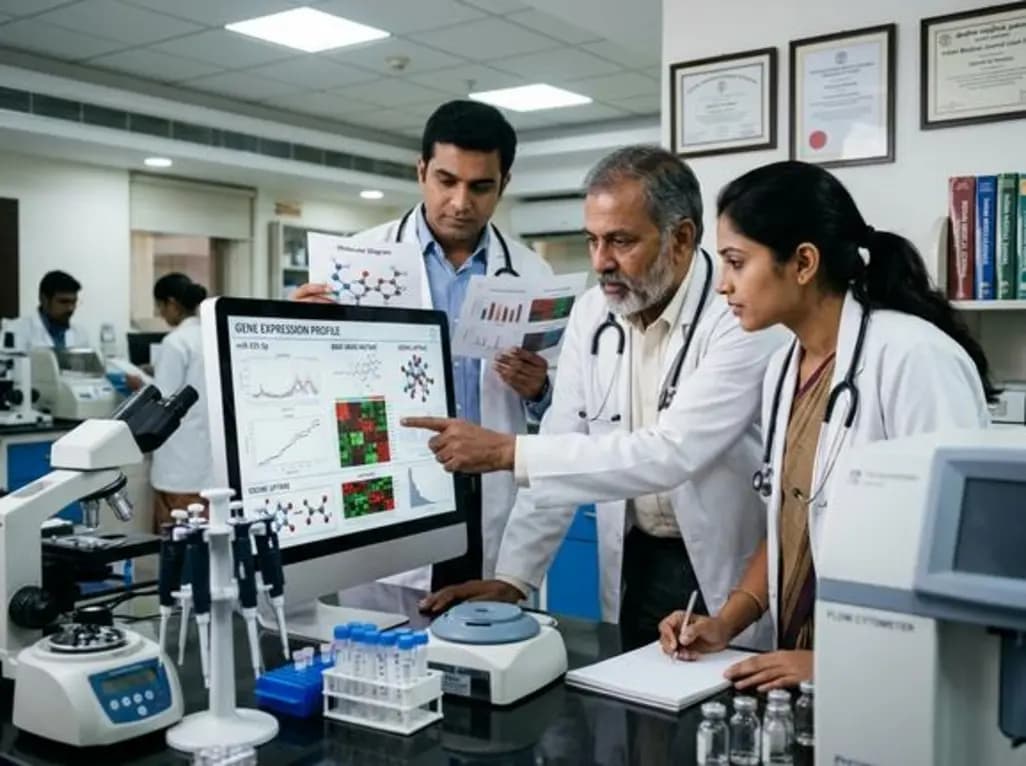
Recent research identifies miR-335-5p as a key regulator for redifferentiating BRAF-mutant thyroid cancers. Restoring this microRNA enhances iodine uptake and inhibits EMT pathways, potentially resensitizing tumors to radioiodine and improving kinase inhibitor outcomes for refractory patients.
Today