

Loading, please wait...
Loading, please wait...
Kimberly-Clark India and UNICEF India have launched a significant partnership to improve maternal and menstrual health services. This initiative targets nearly 2.88 million adolescent girls, women, and infants across several Indian states. Additionally, the program aims to engage 2.87 million community members through awareness and behavioral change initiatives. Consequently, these efforts will likely improve public health outcomes significantly.
The collaboration focuses on enhancing access to menstrual health education and maternal care. Furthermore, it prioritizes early childhood well-being to ensure a healthy start for infants. Consequently, the initiative strengthens national and state health systems. Therefore, girls and mothers can make more informed health decisions. Moreover, this partnership reflects a long-term commitment to dignity for women across India.
The project will reach states like Bihar, Uttar Pradesh, Maharashtra, and Madhya Pradesh. Other target areas include Jharkhand, West Bengal, Chhattisgarh, Odisha, and Gujarat. Therefore, the reach is vast and addresses diverse population needs. Additionally, the program aligns with national development goals regarding gender equality. Consequently, it creates a holistic approach to women's and children's welfare.
Q1: Which states will benefit from this partnership?
The initiative covers nine states, including Bihar, Uttar Pradesh, Maharashtra, Madhya Pradesh, Jharkhand, West Bengal, Chhattisgarh, Odisha, and Gujarat.
Q2: Who is the primary target audience for these services?
The program aims to reach 2.88 million adolescent girls, women, and infants, plus 2.87 million community members through awareness campaigns.
Disclaimer: This content is for informational and educational purposes only. It does not constitute medical advice or replace professional judgment. Refer to the latest local and national guidelines for clinical practice.
References

Read summarized clinical updates, watch expert medical content, and earn CME certifications right from your smartphone.
Open your smartphone camera to scan and install.





Kimberly-Clark and UNICEF India partner to reach 2.88 million women and girls with improved maternal care and menstrual health education across nine states....
7 months ago

A landmark study reveals structured variation in daily emotional experiences using mobile cardiac monitoring and machine learning. Uncovering a many-to-many mapping between autonomic states and feelings, this research offers key insights for managing psychosomatic and psychiatric conditions in clinical practice.
Today
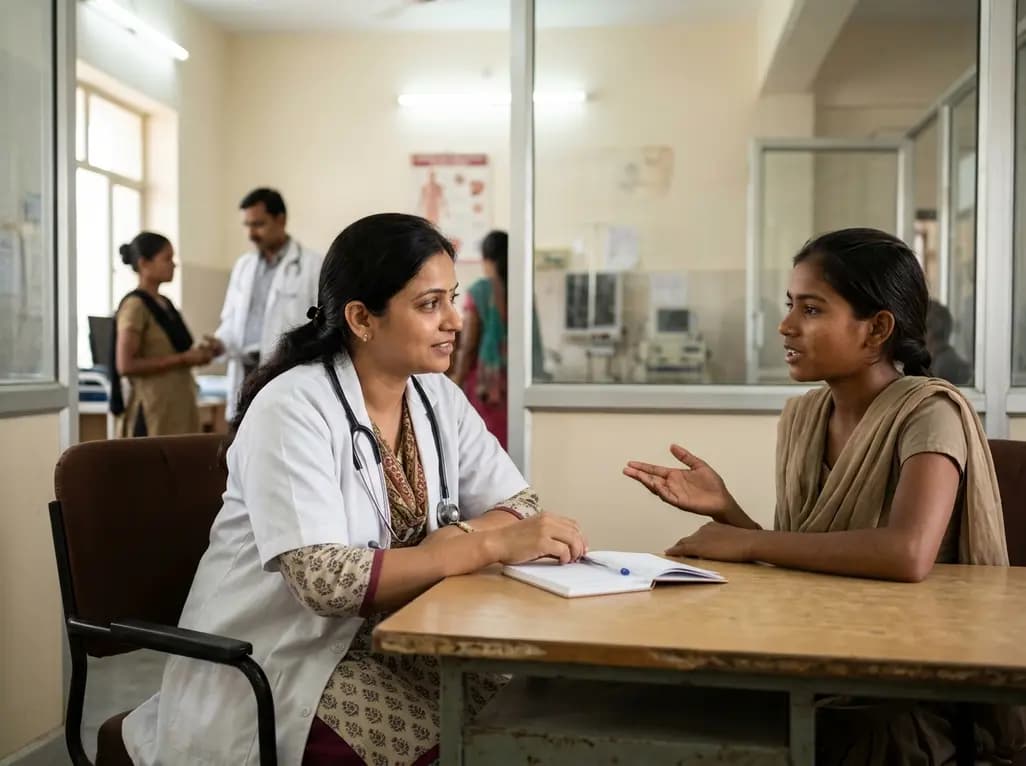
A randomized trial of 272 young women in underserved settings evaluated motivational interviewing versus didactic education. Motivational interviewing effectively reduced unintended pregnancy and risky sexual behavior, while didactic counseling fostered greater condom consistency in Hispanic participants.
Today
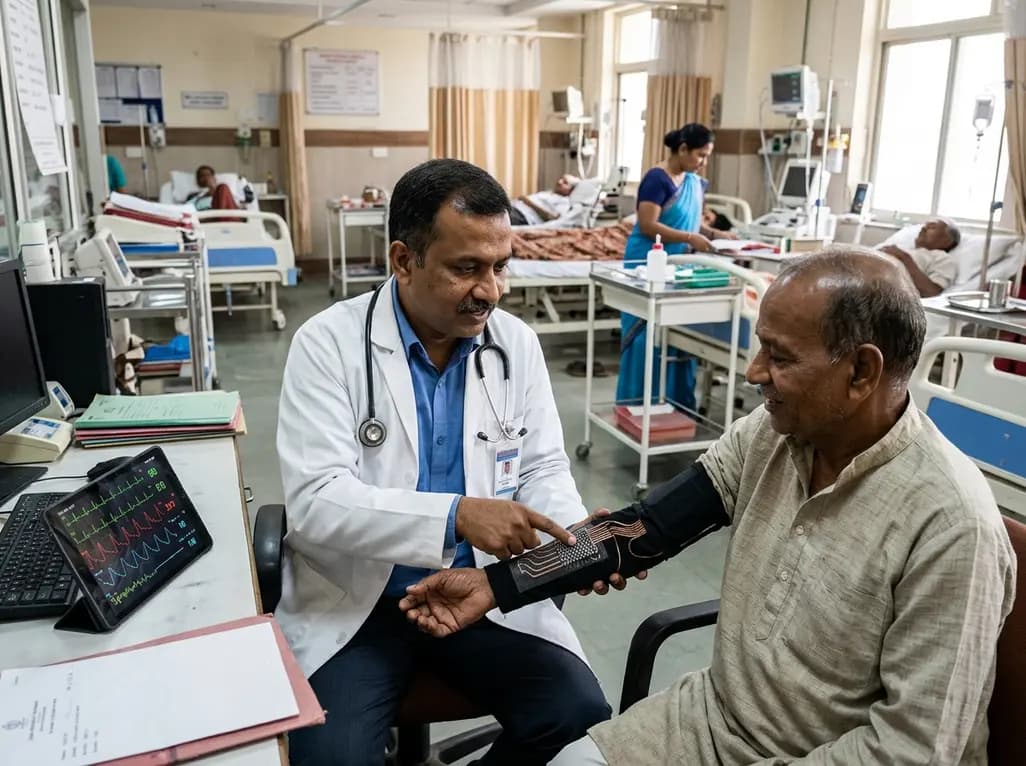
Wearable e-textiles transform cardiovascular monitoring by integrating flexible conductive sensors into everyday clothing. This advance enables continuous, non-invasive assessment of ECG, pulse waves, and hemodynamics, bridging the gap between hospital diagnostics and home healthcare.
Today
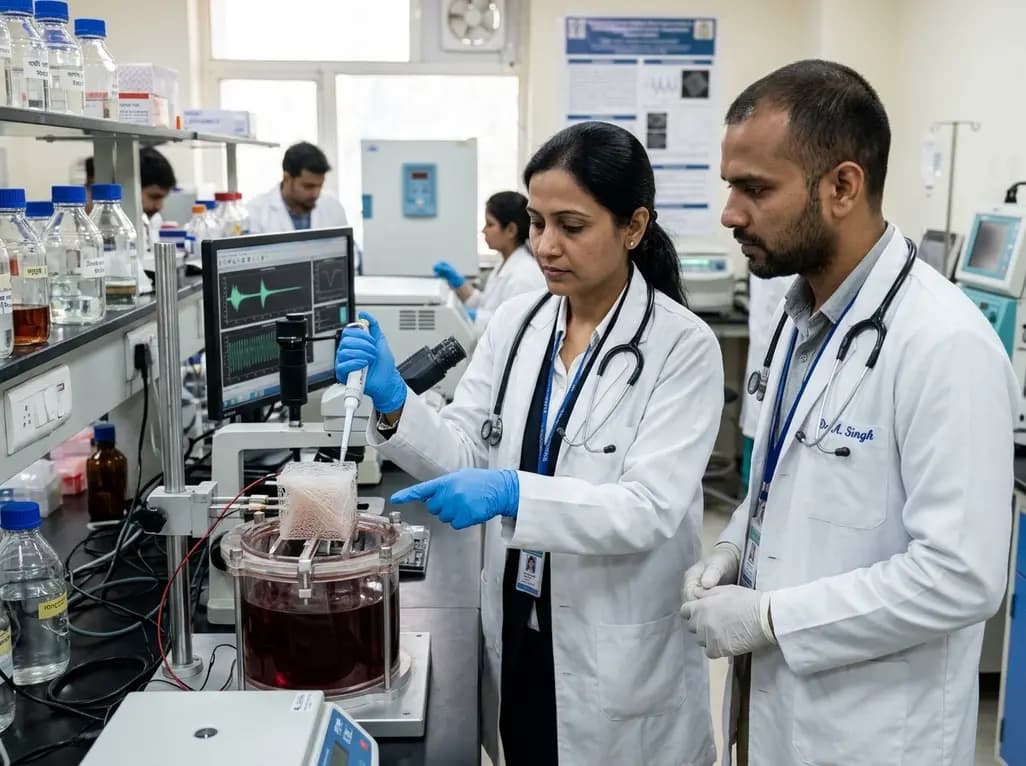
Engineered 3D piezoelectric PHBV scaffolds generate electrical charges during mechanical strain, mimicking native muscle electromechanics to promote cellular alignment, myogenic differentiation, and functional tissue repair in severe volumetric muscle loss.
Today
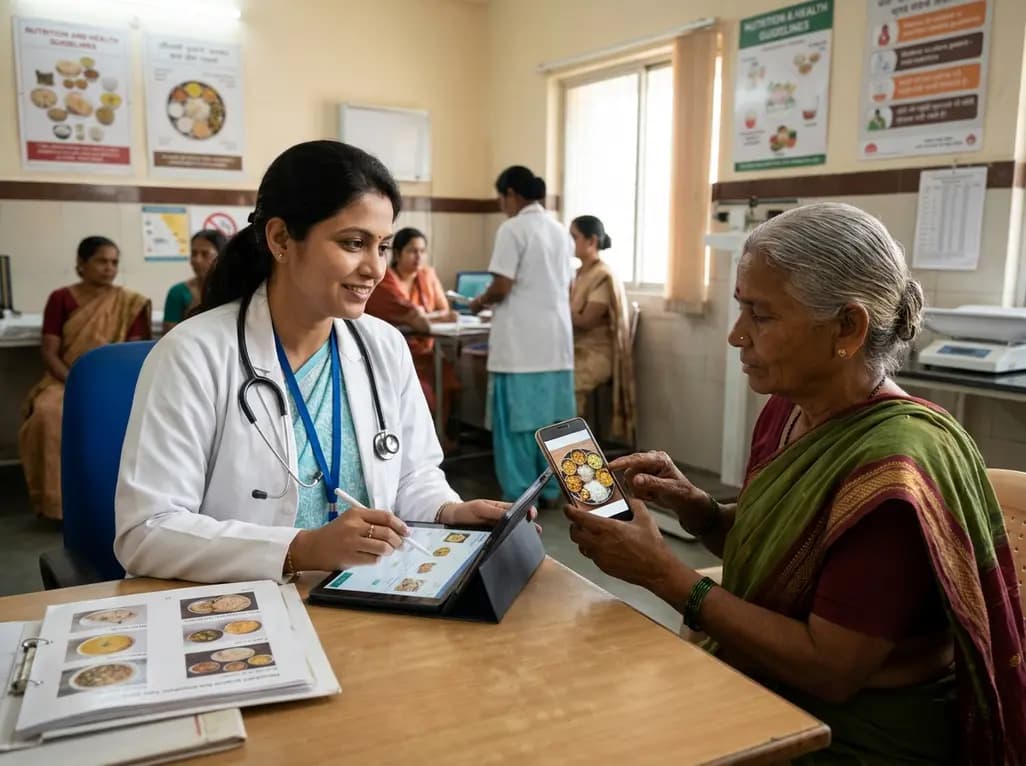
A recent study highlights that pairing photograph-assisted 24-hour recalls with regional food databases significantly boosts dietary assessment accuracy. This methodology reduces cultural bias and strengthens nutrient tracking, offering crucial lessons for clinicians managing nutritional care in diverse populations.
Today
