.webp&w=384&q=75)

Loading, please wait...
Loading, please wait...

Chief Justice Surya Kant emphasized that while affirmative action is constitutionally recognized, the practical reality of the job market is different. He warned that a legal mandate might create a perception that women are \"less\" capable than their male counterparts. Therefore, companies might become reluctant to hire women to avoid regular monthly absences. Furthermore, the court noted that such measures could potentially block women from being assigned critical tasks, like day-to-day judicial trials.
However, the bench clarified that voluntary initiatives by private companies are highly welcome. Several organizations in India already offer these benefits to support their employees. These voluntary measures allow firms to adapt to their workforce's needs without rigid legal obligations. Similarly, the court has directed the Union Government to frame a balanced model policy after consulting all relevant stakeholders. This approach aims to protect women's health without compromising their competitiveness in the labor market.
India is not alone in debating this complex issue. In February 2023, Spain became the first European country to introduce paid period leave funded by the government. Countries like Japan, South Korea, and Indonesia have also maintained similar policies for several decades. Additionally, Indian states like Bihar and Odisha have successfully implemented menstrual leave for their employees. These examples demonstrate that while national mandates are debated, local and corporate initiatives are gaining significant momentum.
Moreover, the Supreme Court earlier in 2026 declared menstrual hygiene a fundamental right under Article 21. This landmark ruling mandated that schools provide functional toilets and free sanitary products. While the court is wary of employment mandates, it remains committed to improving menstrual health infrastructure. Ultimately, the goal is to balance biological realities with the need for professional equality and dignity in the workplace.
Q1: Why does the Supreme Court oppose a legal mandate for menstrual leave?
The Court fears that mandatory leave could make women less attractive to employers, potentially leading to discrimination in hiring and professional growth.
Q2: Is menstrual leave currently available in any Indian states?
Yes, states like Bihar and Odisha have long-standing policies, and Kerala recently introduced leave provisions for students in higher education.
Q3: What is the difference between voluntary and mandatory leave policies?
Voluntary policies are initiated by companies as employee benefits, whereas mandatory policies are legal requirements that all employers must follow regardless of their business model.
Disclaimer: This content is for informational and educational purposes only. It does not constitute medical advice or replace professional judgment. Refer to the latest local and national guidelines for clinical practice.
References

Read summarized clinical updates, watch expert medical content, and earn CME certifications right from your smartphone.
Open your smartphone camera to scan and install.





The Supreme Court warns that mandatory menstrual leave might deter employers from hiring women, recommending a balanced government-led policy instead....
5 months ago
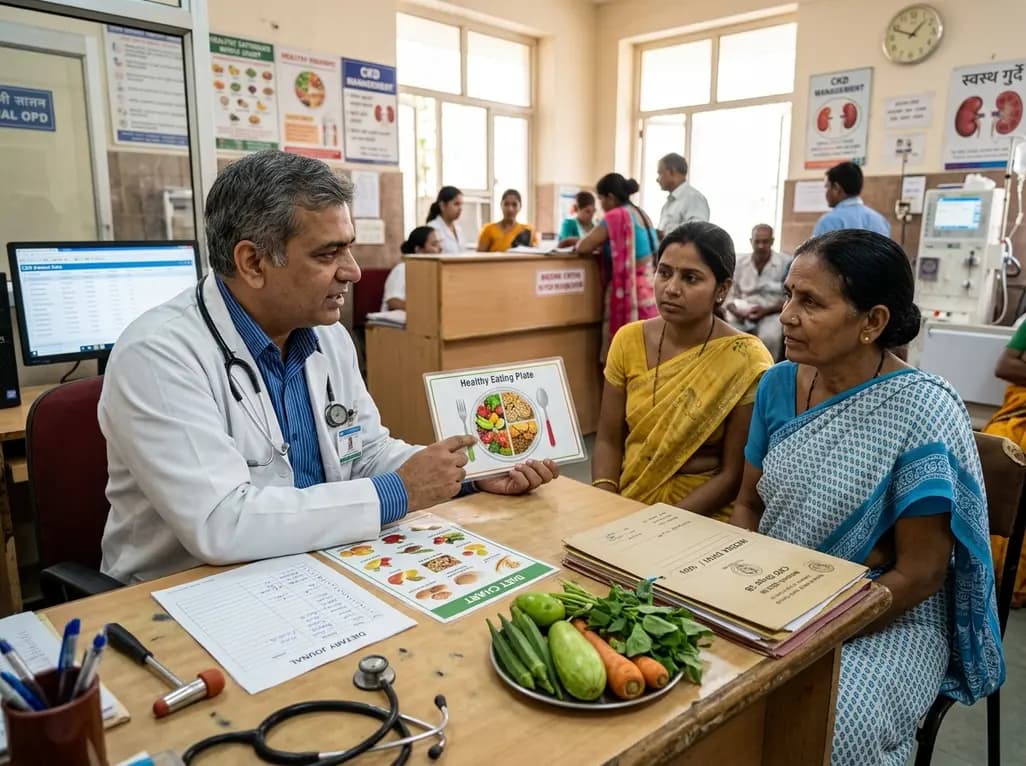
A large NHANES cohort study reveals that higher Healthy Eating Index scores significantly reduce all-cause mortality risk in CKD patients by 45%. This analysis highlights the importance of comprehensive diet quality and medical nutrition therapy in renal care to optimize long-term clinical survival.
Today
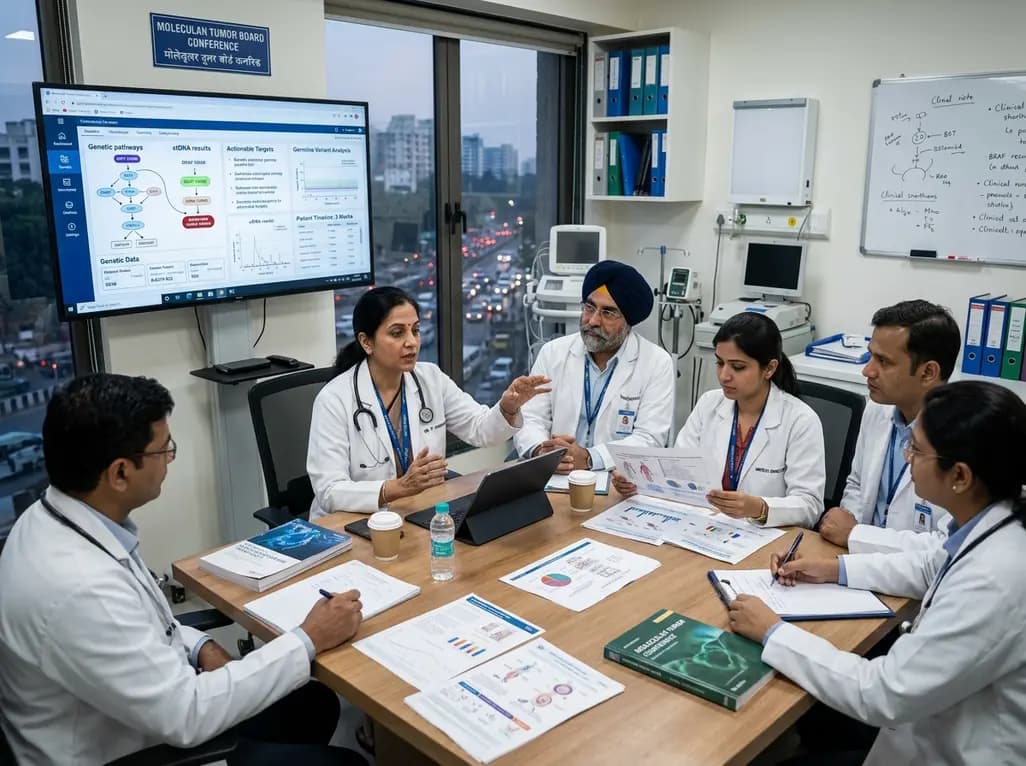
Explore real-world data showing how private oncogenetics and molecular tumor boards achieve 3-week consult turnaround, high ctDNA actionability, and vital germline variant detection, enhancing individualized cancer care and familial risk assessment.
Today
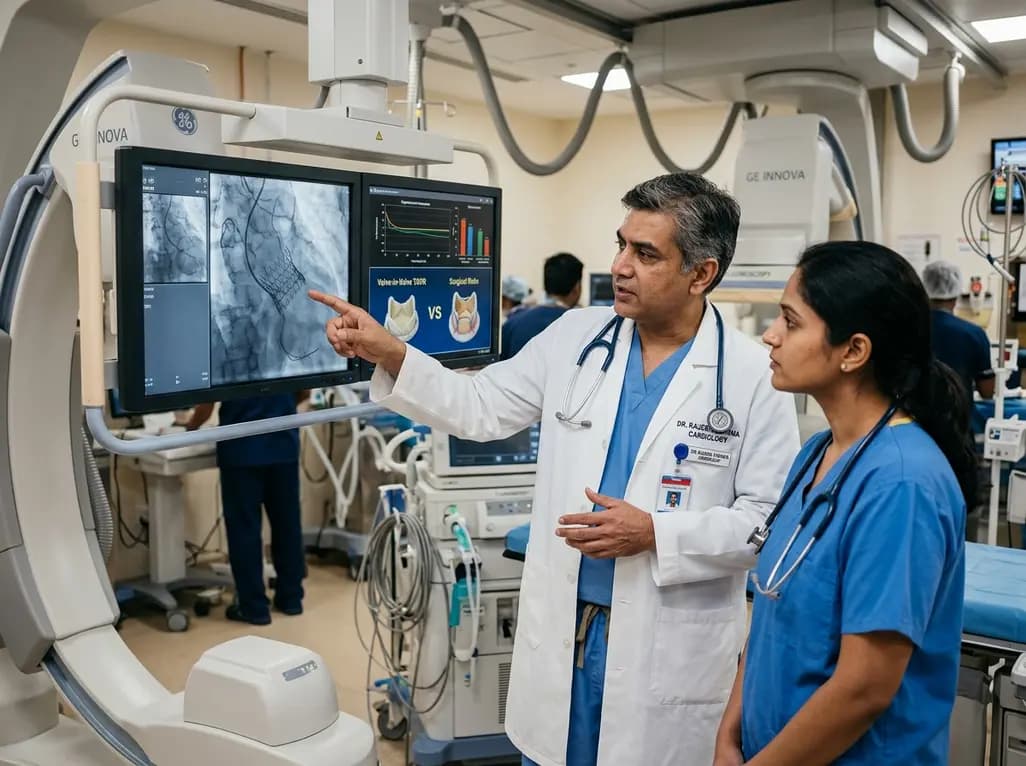
A meta-analysis of 13 propensity score-matched studies shows ViV-TAVR delivers lower early mortality and reduced bleeding compared to redo-SAVR for degenerated bioprosthetic aortic valves, though long-term hemodynamics warrant careful anatomical and patient-centered evaluation.
Today
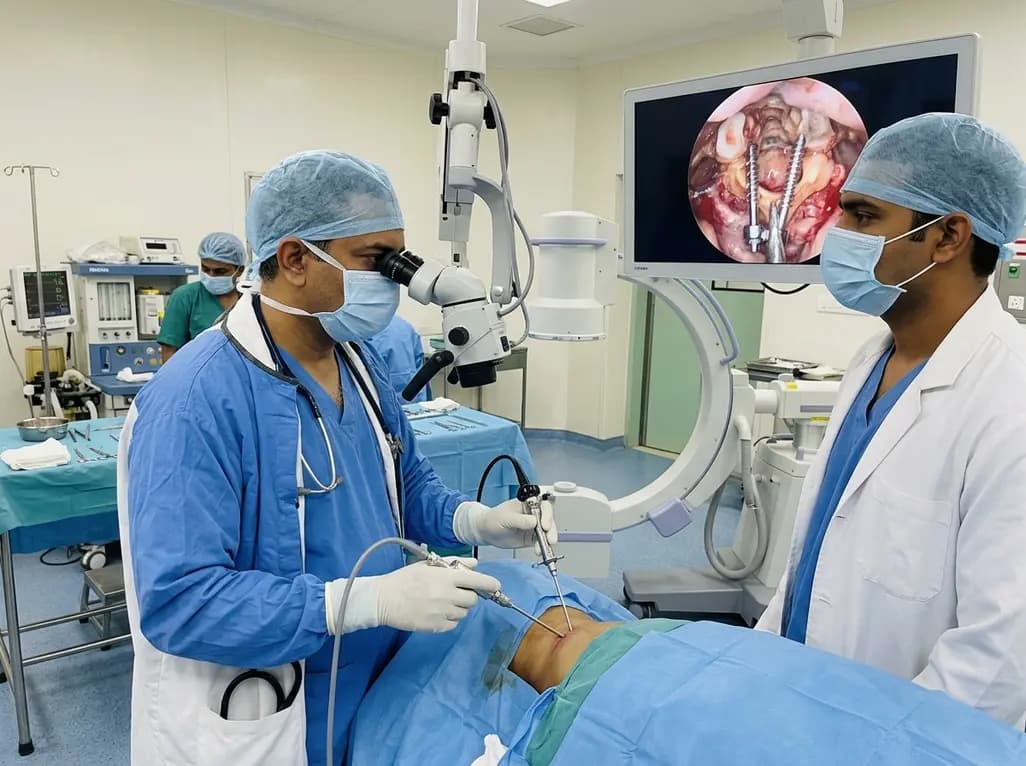
Endoscopic posterior cervical fusion combines minimally invasive decompression, joint preparation, and rigid screw-rod fixation for atlantoaxial pathologies. Early clinical findings demonstrate solid bony union, excellent symptom relief, and minimal soft-tissue morbidity without significant vascular compromise.
Yesterday
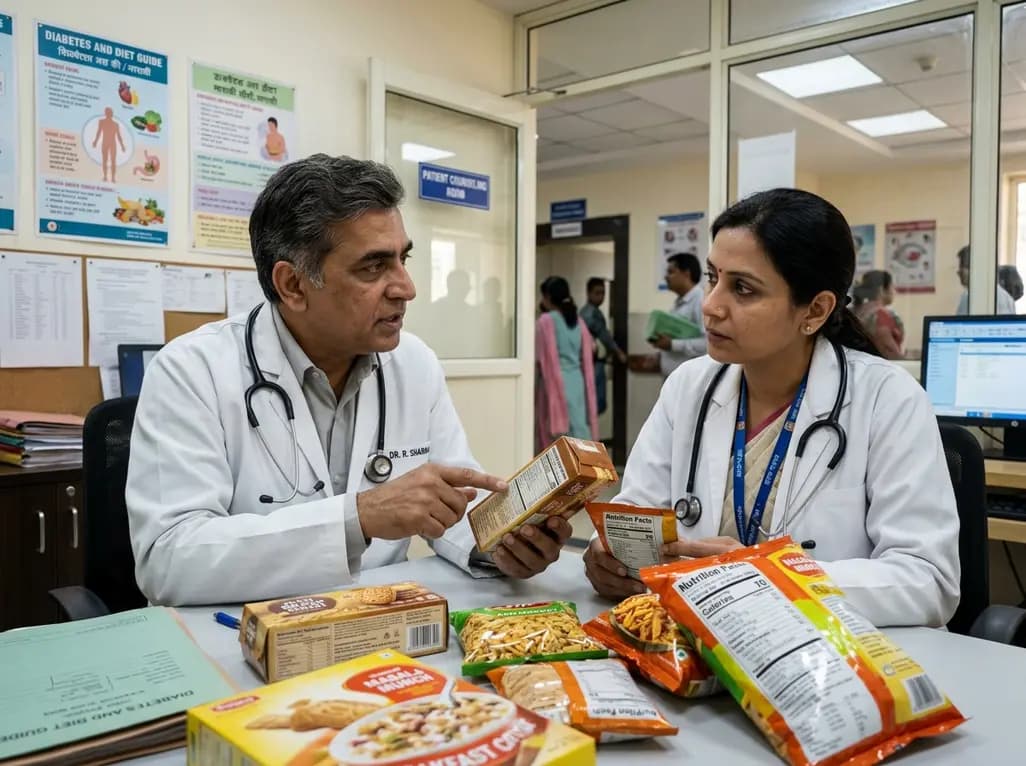
The All-India Food Processors' Association has approached the Supreme Court to oppose FSSAI's proposed per-100g benchmark for front-of-pack warning labels, advocating instead for a per-serving threshold. We explore the regulatory showdown, nutritional evidence, and implications for clinical lifestyle counseling.
Today
