.webp&w=384&q=75)

Loading, please wait...
Loading, please wait...
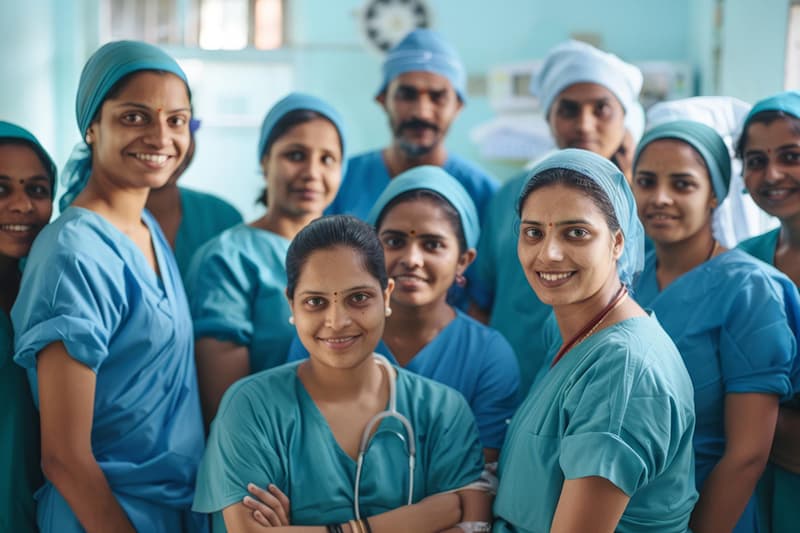
The Kerala nurses strike began on Wednesday as private sector healthcare professionals demanded a minimum monthly salary of Rs 40,000. Organized by the United Nurses Association (UNA), the protest highlights long-standing grievances regarding inadequate compensation. Nurses across the state are seeking the implementation of pending assurances from the government. Consequently, many hospitals may face operational challenges during this period.
The primary driver for this agitation is the stagnant wage structure within private healthcare facilities. Protesters state that the last salary revision occurred in 2018. However, the rising cost of living has made these current wages insufficient for survival. Although the state government issued a salary hike order in 2023, nurses allege that hospital managements have not implemented it effectively. Therefore, they are demanding a standardized wage system as per Nursing Council regulations.
Moreover, the disparity in salaries between different hospital managements creates a pathetic condition for staff. Many nurses believe that the private nursing sector is shifting toward a purely business-oriented model. This shift often neglects the welfare of frontline workers. As a result, qualified professionals are increasingly looking for opportunities abroad to secure better living conditions and pay.
The United Nurses Association clarified that while the strike affects general hospital functions, emergency services remain operational. This ensures that critical patient care continues without interruption. Nevertheless, the ongoing brain drain remains a significant concern for the state's healthcare infrastructure. Without competitive salaries, Kerala may continue to lose its experienced nursing workforce to international markets.
Q1: What is the main demand of the protesting nurses in Kerala?
The nurses are primarily demanding a minimum monthly basic pay of Rs 40,000 and the effective implementation of previous salary hike orders from 2023.
Q2: Will the strike affect emergency medical services in private hospitals?
No, the United Nurses Association has confirmed that emergency services will not be impacted to ensure that urgent patient care is maintained.
Disclaimer: This content is for informational and educational purposes only. It does not constitute medical advice or replace professional judgment. Refer to the latest local and national guidelines for clinical practice.
References

Read summarized clinical updates, watch expert medical content, and earn CME certifications right from your smartphone.
Open your smartphone camera to scan and install.





Kerala's private hospital nurses are striking for a ₹40,000 minimum wage, citing high living costs and brain drain. Emergency services remain unaffected....
7 months ago

As monsoon seasons elevate arboviral disease threats, Tamil Nadu has initiated an ICMR-monitored evaluation of the tetravalent dengue vaccine in Tenkasi district. Clinicians emphasize clinical monitoring, public prevention, and high-quality early pediatric care to reduce disease morbidity across endemic regions.
Today

A comparative cohort study evaluates vNOTES vs TLH hysterectomy for benign conditions, demonstrating shorter operative duration, faster return to daily activities, and equivalent female sexual function scores without increased dyspareunia.
Today

Review how tailored exercise programs benefit frail older patients with heart failure. Explore pathophysiological mechanisms, individualized training prescriptions, and strategies to overcome adherence barriers in clinical practice.
Today

This comparative study evaluates posterior labral tears with and without glenohumeral instability, highlighting distinct demographic patterns, MRI underestimation in stable shoulders, and successful arthroscopic repair outcomes.
Yesterday

A clinical study demonstrates that early intervention with tocilizumab, either as monotherapy or bridged with corticosteroids, achieves significant proptosis reduction and resolves active inflammation in treatment-naive thyroid eye disease.
Today
