.webp&w=384&q=75)

Loading, please wait...
Loading, please wait...

Recent data reveals a concerning abdominal obesity risk among adults in Karnataka. While general obesity affects 22.9% of the population, a staggering 31.8% exhibit central fat accumulation. Consequently, medical professionals are shifting their focus from simple Body Mass Index (BMI) to waist circumference. This shift occurs because abdominal fat serves as a more accurate predictor of metabolic health in the Indian phenotype.
Rapid urbanization significantly contributes to this rising health burden. For example, cities like Bengaluru encourage sedentary habits due to long commutes and desk-bound work. Moreover, the increasing availability of cheap, calorie-dense foods fuels the epidemic across all income levels. Physicians note that even individuals with a healthy BMI may carry excess central fat. Therefore, screening must include regular waist measurements to identify hidden risks early. Additionally, early intervention can often reverse metabolic damage before chronic diseases manifest.
Abdominal fat is metabolically active and directly promotes insulin resistance. This condition often leads to hypertension, type 2 diabetes, and cardiovascular diseases. Furthermore, Karnataka's central obesity levels now exceed those in several large states like Maharashtra. Public health experts suggest that urban centers might harbor even higher prevalence rates. Consequently, workplace fitness initiatives and school nutrition programs are becoming essential interventions. Early screening remains the most effective tool to curb this growing non-communicable disease burden.
Q1: Why is abdominal obesity more dangerous than general obesity?
Abdominal fat is metabolically active and linked directly to insulin resistance and chronic inflammation. This increases the risk of heart disease and diabetes more than subcutaneous fat elsewhere.
Q2: What is the recommended screening method for central obesity?
Experts suggest that waist measurement should be as routine as checking blood pressure. A high waist circumference identifies risk even in patients who have a normal BMI.
Disclaimer: This content is for informational and educational purposes only. It does not constitute medical advice or replace professional judgment. Refer to the latest local and national guidelines for clinical practice.
References

Read summarized clinical updates, watch expert medical content, and earn CME certifications right from your smartphone.
Open your smartphone camera to scan and install.





Karnataka faces a metabolic crisis as abdominal obesity hits 31.8%, signaling higher risks for heart disease and diabetes compared to general BMI standards....
7 months ago
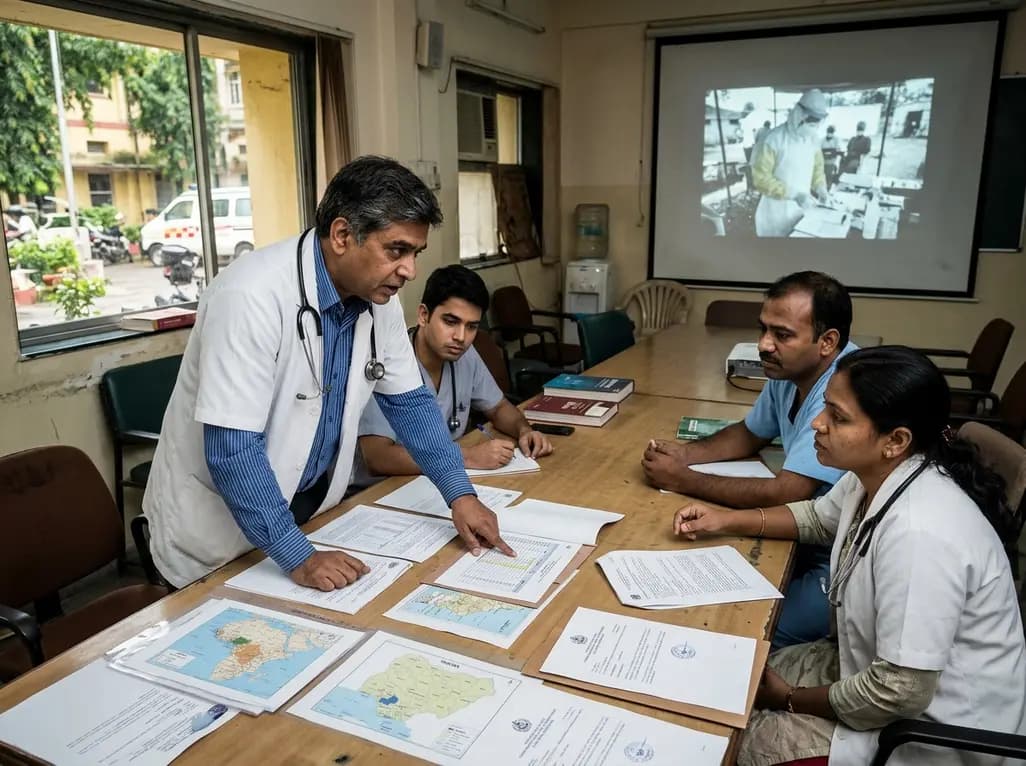
Following Nigeria's first recorded Ebola case linked to regional travel, the Africa CDC has convened an emergency ministerial summit. This alert underscores critical clinical priorities for healthcare professionals, including differentiating early viral infection from malaria, implementing barrier nursing, and triage.
Today

Leucine Rich Bio has introduced South Asia's first comprehensive vaginal microbiome test, BugSpeaks. By profiling microbial dysbiosis, pathogens, and antimicrobial resistance, this next-generation diagnostic platform provides clinicians with deeper insights into recurrent infections, fertility, and reproductive health.
Today

Review how tailored exercise programs benefit frail older patients with heart failure. Explore pathophysiological mechanisms, individualized training prescriptions, and strategies to overcome adherence barriers in clinical practice.
Today

This comparative study evaluates posterior labral tears with and without glenohumeral instability, highlighting distinct demographic patterns, MRI underestimation in stable shoulders, and successful arthroscopic repair outcomes.
Today

A clinical study demonstrates that early intervention with tocilizumab, either as monotherapy or bridged with corticosteroids, achieves significant proptosis reduction and resolves active inflammation in treatment-naive thyroid eye disease.
Today
