.webp&w=384&q=75)

Loading, please wait...
Loading, please wait...

Recent Google Trend analysis shows that public interest in JAK inhibitors for alopecia has surged significantly. This shift occurred primarily after the 2022 US Food and Drug Administration (FDA) approval of baricitinib for severe alopecia areata. Because patients are increasingly seeking these advanced therapies, clinicians must stay informed about the latest indications. Effective patient education ensures that individuals understand the benefits and potential risks associated with these systemic treatments.
Janus kinase (JAK) inhibitors work by blocking specific signaling pathways that trigger autoimmune hair follicle destruction. Furthermore, data from major phase 3 clinical trials demonstrate that these medications effectively restore hair growth in patients with severe disease. Specifically, research shows that a significant percentage of patients achieve 80% or greater scalp hair coverage. However, physicians must evaluate each patient individually to ensure the treatment is appropriate. This involves assessing the severity of the condition and monitoring for potential systemic side effects. Consequently, a personalized approach leads to better clinical outcomes and patient satisfaction.
Media coverage often simplifies complex medical breakthroughs, which can lead to unrealistic expectations. Therefore, doctors should proactively discuss the nuances of treatment selection. Patient education helps clarify that while these drugs are transformative, they are not universal solutions for every hair loss disorder. Additionally, regular laboratory monitoring is necessary to manage any adverse reactions during therapy. By providing clear and evidence-based communication, healthcare providers can bridge the gap between public interest and clinical reality.
Physicians use JAK inhibitors to treat certain autoimmune conditions like alopecia areata by modulating the immune system's attack on hair follicles.
No, the FDA specifically approved baricitinib for the treatment of severe alopecia areata in adults, rather than general pattern baldness.
Disclaimer: This content is for informational and educational purposes only. It does not constitute medical advice and is not a substitute for professional consultation. Refer to the latest local and national guidelines for clinical practice.
References
1. Howard J et al. Public Interest in Janus Kinase (JAK) IInhibitors for Alopecia Areata: A Google Trend Analysis. JMIR Dermatol. 2026 Apr 24. doi: 10.2196/75119. PMID: 42030550.
2. King B, et al. Two Phase 3 Trials of Baricitinib for Alopecia Areata. N Engl J Med. 2022;386(18):1687-1699.
3. FDA Press Release. FDA Approves First Systemic Treatment for Alopecia Areata. June 13, 2022.

Read summarized clinical updates, watch expert medical content, and earn CME certifications right from your smartphone.
Open your smartphone camera to scan and install.





Public interest in JAK inhibitors for alopecia has surged following the 2022 FDA approval of baricitinib, emphasizing the need for patient education....
6 months ago

An observational study from the NIH All of Us Research Program reveals that adding a multi-ancestry polygenic risk score to machine learning models provides only modest improvements in predicting adult weight gain, underscoring the enduring significance of routine clinical and lifestyle factors.
Today

A study in JAMIA Open shows lightweight open-source reasoning LLMs achieve up to 95% sensitivity and accelerate evidence synthesis screening by nearly twentyfold, presenting a cost-effective, scalable AI solution for biomedical research and systematic reviews.
Today
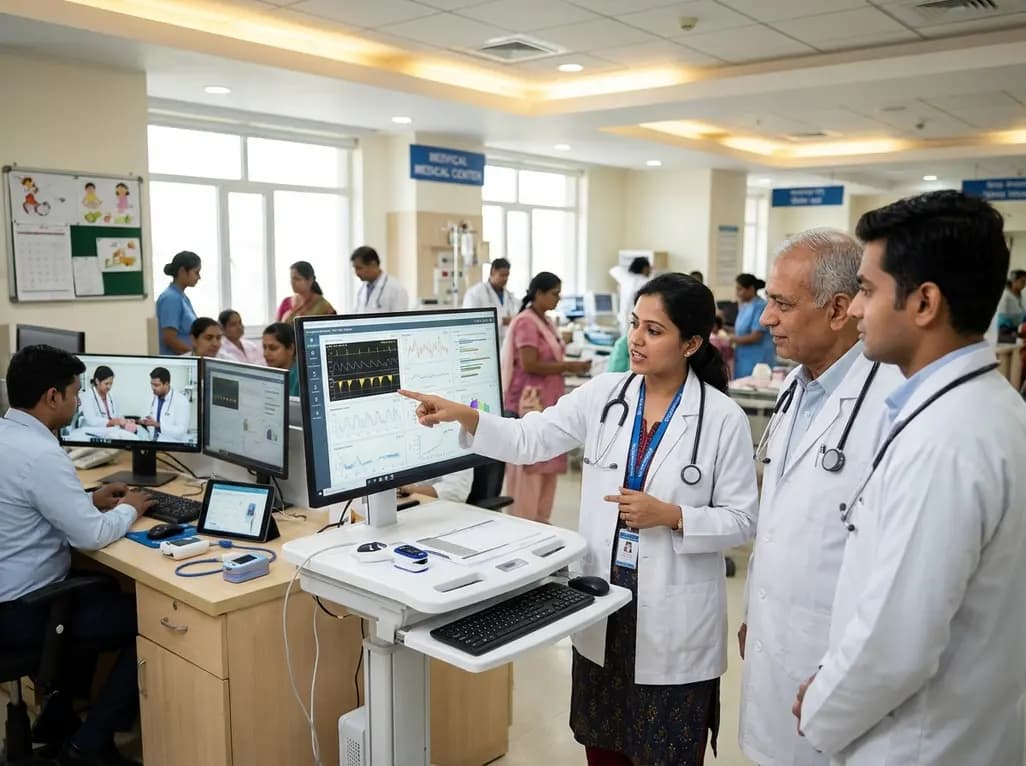
A landmark study details how an enterprise pediatric remote patient management model expanded from a single cardiology pilot to 16 diverse specialty programs by combining centralized digital operations with specialty clinical leadership.
Yesterday
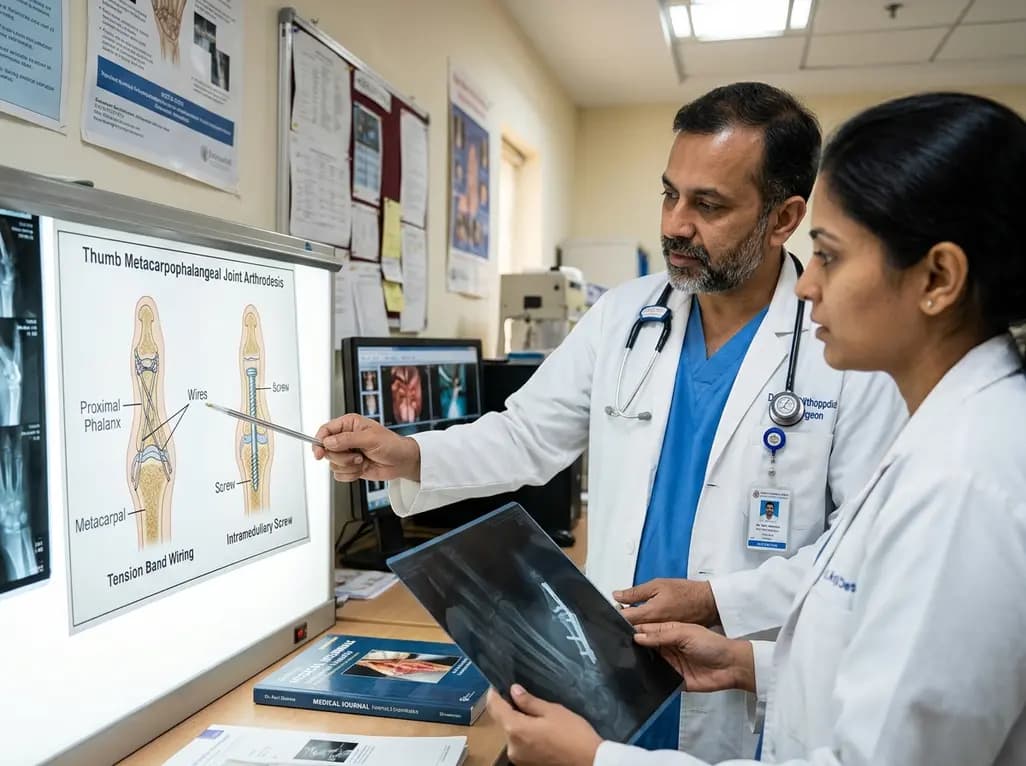
A comparative review of tension band wiring and intramedullary screw fixation in thumb metacarpophalangeal arthrodesis, evaluating union rates, hardware complications, and clinical outcomes.
Yesterday

A breakthrough ultrathin multimodal sensor decouples physical hemodynamic monitoring from disposable electrochemical calibration, achieving long-term wearable glucose prediction with 81.36% accuracy and a 9.12% MARD. This offers a robust, drift-free solution for outpatient metabolic surveillance.
Yesterday
