.webp&w=384&q=75)

Loading, please wait...
Loading, please wait...

Obstetricians encounter various perineal injuries, but an isolated rectal laceration represents a rare and specific clinical challenge. While most rectal injuries accompany third- or fourth-degree tears, these isolated cases require unique attention. Recent research highlights that quality improvement initiatives effectively reduce the incidence of these complications. Consequently, clinicians must understand the mechanisms behind these injuries to improve maternal outcomes.
Data indicates that nulliparous women face the highest risk for these injuries. Furthermore, operative vaginal deliveries, such as those involving forceps, significantly increase the likelihood of rectal trauma. Interestingly, the timing of delivery also plays a role, as many cases occur during day shifts when intervention rates might be higher. Therefore, implementing standardized protocols for high-risk deliveries is essential for risk mitigation.
Healthcare facilities can successfully lower injury rates by revising obstetric policies. For instance, reducing the frequency of mediolateral episiotomies and operative interventions shows promising results. Moreover, utilizing standardized repair techniques, such as continuous or interrupted sutures for the rectal mucosa, ensures better long-term recovery. Therefore, continuous monitoring of delivery practices remains vital for improving patient safety.
An isolated rectal laceration, often called a buttonhole tear, is a laceration of the rectal mucosa and vagina that occurs without involving the anal sphincter complex.
These injuries are extremely rare. Recent prospective cohort studies report an incidence of approximately 0.065% among vaginal deliveries, emphasizing the need for diligent postpartum examinations.
Clinicians can reduce the risk by limiting the routine use of episiotomies and carefully managing operative vaginal deliveries. Additionally, quality improvement initiatives that focus on obstetric policies have proven effective in decreasing incidence rates.
Disclaimer: This content is for informational and educational purposes only. It does not constitute professional medical advice, diagnosis, or treatment. Always seek the advice of your physician or other qualified health provider with any questions you may have regarding a medical condition. Refer to the latest local and national guidelines for clinical practice.
References
Guo Q et al. Characteristics and management of isolated rectal laceration during vaginal delivery. Int J Gynaecol Obstet. 2026 Feb 24. doi: 10.1002/ijgo.70865. PMID: 41732974.
ACOG Practice Bulletin No. 198: Prevention and Management of Obstetric Lacerations at Vaginal Delivery. Obstet Gynecol. 2018;132(3):e87-e102.
RCOG Green-top Guideline No. 29: Management of Third- and Fourth-degree Perineal Tears. Royal College of Obstetricians and Gynaecologists. 2015.

Read summarized clinical updates, watch expert medical content, and earn CME certifications right from your smartphone.
Open your smartphone camera to scan and install.





A study on isolated rectal lacerations during vaginal delivery highlights incidence, risk factors like forceps use, and successful prevention strategies....
7 months ago
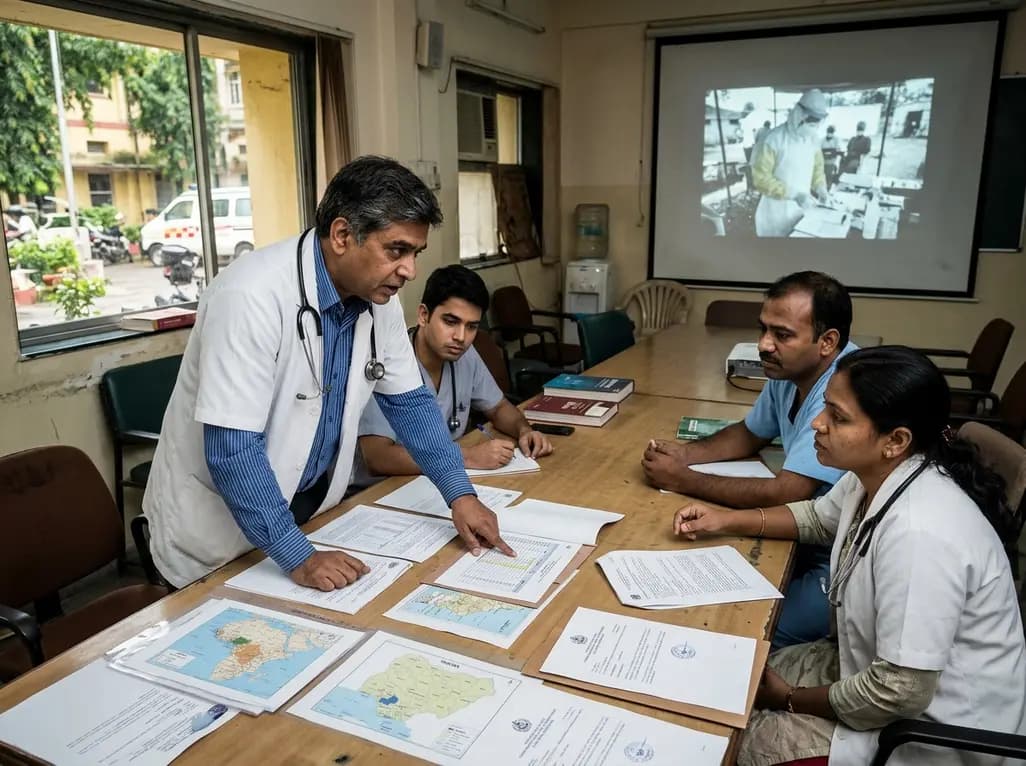
Following Nigeria's first recorded Ebola case linked to regional travel, the Africa CDC has convened an emergency ministerial summit. This alert underscores critical clinical priorities for healthcare professionals, including differentiating early viral infection from malaria, implementing barrier nursing, and triage.
Today

Leucine Rich Bio has introduced South Asia's first comprehensive vaginal microbiome test, BugSpeaks. By profiling microbial dysbiosis, pathogens, and antimicrobial resistance, this next-generation diagnostic platform provides clinicians with deeper insights into recurrent infections, fertility, and reproductive health.
Today

Review how tailored exercise programs benefit frail older patients with heart failure. Explore pathophysiological mechanisms, individualized training prescriptions, and strategies to overcome adherence barriers in clinical practice.
Today

This comparative study evaluates posterior labral tears with and without glenohumeral instability, highlighting distinct demographic patterns, MRI underestimation in stable shoulders, and successful arthroscopic repair outcomes.
Today

A clinical study demonstrates that early intervention with tocilizumab, either as monotherapy or bridged with corticosteroids, achieves significant proptosis reduction and resolves active inflammation in treatment-naive thyroid eye disease.
Today
