.webp&w=384&q=75)

Loading, please wait...
Loading, please wait...

Initially, a 24-year-old male presented with photopsias and headaches. Specifically, his clinicians identified an intracranial mixed germ cell tumor that looked like a meningioma on early imaging. To illustrate, MRI scans showed a mass, but it also had hemorrhagic zones. Because of these features, the medical team felt concerned. However, the location appeared extra-axial. Moreover, the mass caused significant edema, so they then scheduled surgery. Consequently, they also prepared for potential malignancy.
Furthermore, the surgery revealed that the tumor infiltrated the deep venous system. In fact, the pathology confirmed a mixed germ cell tumor. This malignancy contained elements of a yolk sac tumor and an immature teratoma. Notably, the postoperative AFP levels were high. Additionally, they found lung metastasis, although this is usually rare. Therefore, the patient also received chemotherapy. In addition, he then started radiation therapy. Because of the aggressive nature of the disease, they also monitored him closely. Similarly, they also used systemic scans to check for further spread. For instance, they checked the chest and abdomen. Ultimately, early diagnosis remains key, but the prognosis varies. Above all, always check serum markers in young patients with atypical lesions. Overall, this case teaches diagnostic vigilance.
While both can appear extra-axial, germ cell tumors often show heterogeneous enhancement, cystic components, and hemorrhagic zones. Significant vasogenic edema in a young patient should also raise suspicion for a germ cell tumor rather than a benign meningioma.
Serum and CSF markers like α-fetoprotein (AFP) and β-hCG are essential for diagnosis. Elevated AFP specifically points toward a yolk sac tumor component, while high β-hCG levels suggest choriocarcinoma.
Management requires a combination of maximum safe surgical resection, platinum-based chemotherapy, and radiation therapy. Clinicians tailor the treatment based on the tumor's histological components and the presence of any metastases.
Disclaimer: This content is for informational and educational purposes only and does not constitute medical advice. Always seek the advice of a physician or other qualified health provider with any questions you may have regarding a medical condition. Refer to the latest local and national guidelines for clinical practice.
References
1. Hernández González F et al. Intracranial mixed germ cell tumor mimicking a meningioma: illustrative case. J Neurosurg Case Lessons. 2026 Apr 27. doi: undefined. PMID: 42044537.
2. Hu Y, et al. Update on MRI in pediatric intracranial germ cell tumors—The clinical and radiological features. Front Oncol. 2022. doi: 10.3389/fonc.2022.913505.
3. Murray MJ, et al. EANO, SNO and Euracan consensus review on the current management and future development of intracranial germ cell tumors in adolescents and young adults. Neuro-Oncology. 2022. doi: 10.1093/neuonc/noab252.

Read summarized clinical updates, watch expert medical content, and earn CME certifications right from your smartphone.
Open your smartphone camera to scan and install.





Case report of a 24-year-old with a mixed germ cell tumor mimicking a meningioma, highlighting the role of serum markers and multimodal therapy....
5 months ago

An observational study from the NIH All of Us Research Program reveals that adding a multi-ancestry polygenic risk score to machine learning models provides only modest improvements in predicting adult weight gain, underscoring the enduring significance of routine clinical and lifestyle factors.
Today

A study in JAMIA Open shows lightweight open-source reasoning LLMs achieve up to 95% sensitivity and accelerate evidence synthesis screening by nearly twentyfold, presenting a cost-effective, scalable AI solution for biomedical research and systematic reviews.
Yesterday
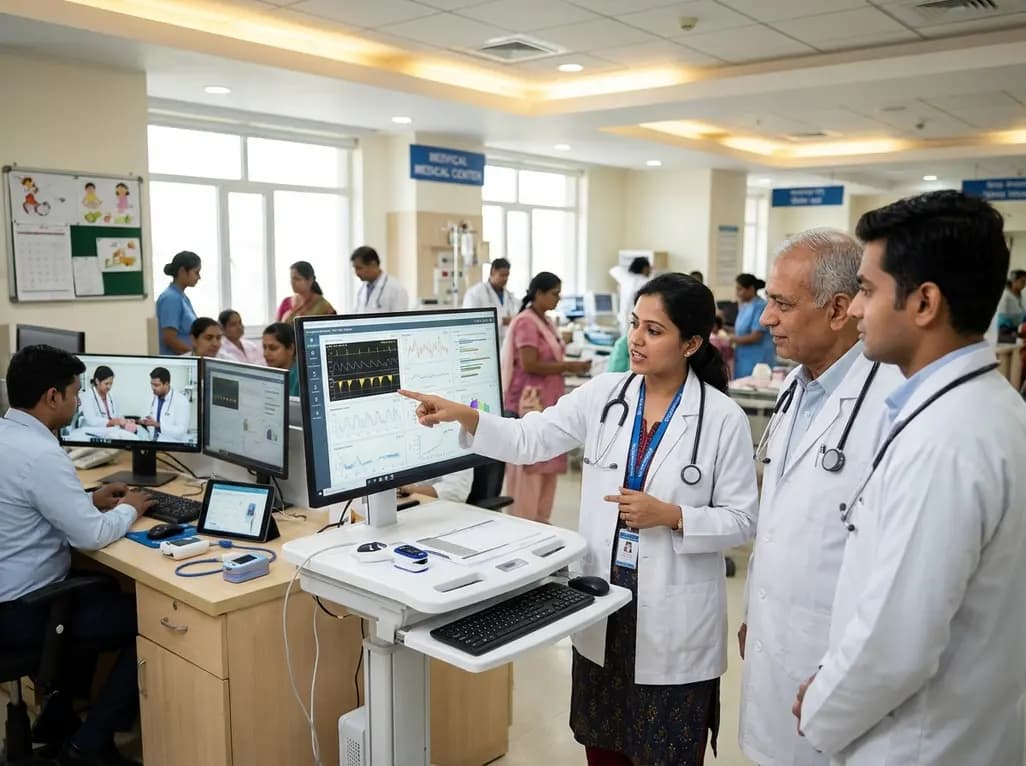
A landmark study details how an enterprise pediatric remote patient management model expanded from a single cardiology pilot to 16 diverse specialty programs by combining centralized digital operations with specialty clinical leadership.
Yesterday
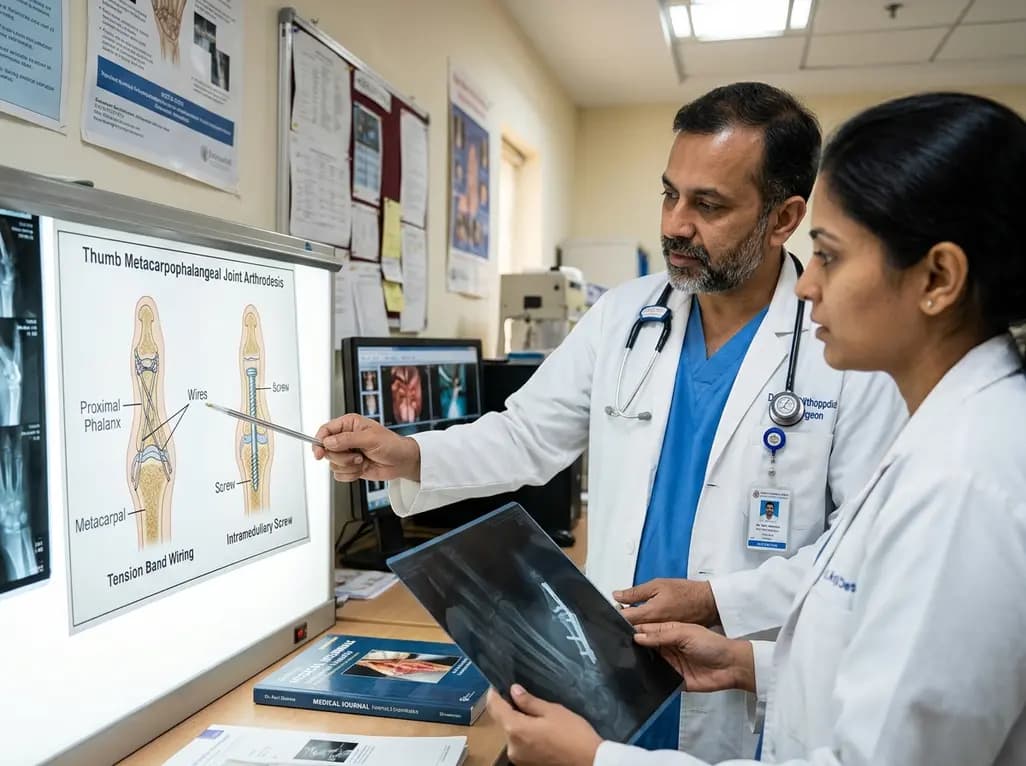
A comparative review of tension band wiring and intramedullary screw fixation in thumb metacarpophalangeal arthrodesis, evaluating union rates, hardware complications, and clinical outcomes.
Yesterday
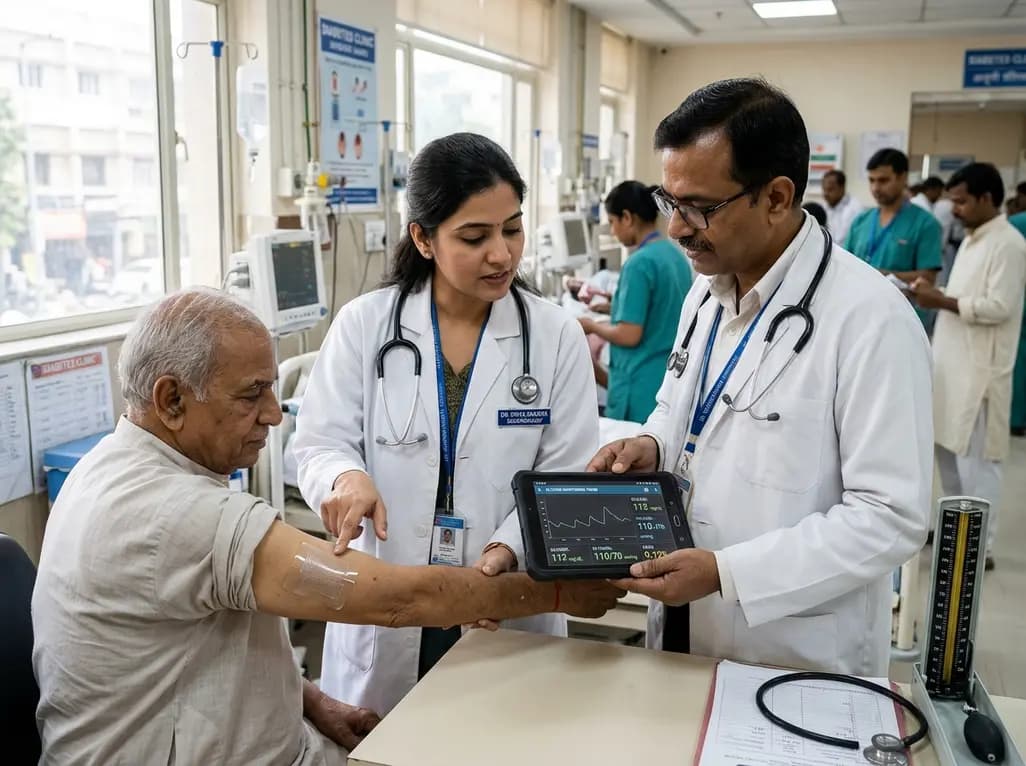
A breakthrough ultrathin multimodal sensor decouples physical hemodynamic monitoring from disposable electrochemical calibration, achieving long-term wearable glucose prediction with 81.36% accuracy and a 9.12% MARD. This offers a robust, drift-free solution for outpatient metabolic surveillance.
Yesterday
