.webp&w=384&q=75)

Loading, please wait...
Loading, please wait...

Reactivation of inherited HHV-6A significantly impacts patients undergoing hematopoietic stem cell transplantation. Specifically, HHV-6A reactivation HSCT is linked to a marked delay in immune reconstitution. Furthermore, this condition affects approximately one percent of the global population through chromosomal integration. This inherited form, known as iciHHV-6A, allows the virus to persist in every nucleated cell. However, the clinical consequences of the inherited form are often more severe than typical acquired infections. Consequently, researchers are focusing on how this viral activity impairs the recovery of essential T-cell subsets.
In addition, studies show a strong correlation between high viral loads and the development of acute graft-versus-host disease. The virus appears to deplete CD4+ T-cells and may interfere with thymic function. Therefore, early detection of inherited chromosomally integrated HHV-6 is essential for improving transplant success. Moreover, the latest evidence suggests that these patients face higher rates of non-relapse mortality. Clinicians observe that delayed platelet and monocyte engraftment frequently accompany high viral activity. Ultimately, medical teams must implement stricter monitoring protocols for these high-risk transplant recipients to optimize clinical outcomes.
Inherited HHV-6A is integrated into the host's chromosomes and passed through germ cells. This means the viral DNA is present in every nucleated cell, unlike acquired infections which only affect specific cell populations.
The virus directly infects and depletes CD4+ T-cells while potentially damaging thymic tissue. This interference prevents the body from producing a diverse and robust immune system following a transplant.
Disclaimer: This content is for informational and educational purposes only. It does not constitute professional medical advice, diagnosis, or treatment. Always seek the advice of your physician or other qualified healthcare provider with any questions you may have regarding a medical condition. Refer to the latest local and national guidelines for clinical practice.
References
1. Hannolainen L et al. Inherited HHV-6A reactivation linked to impaired immune reconstitution following hematopoietic stem cell transplantation. Haematologica. 2026 Apr 16. doi: 10.3324/haematol.2026.300575. PMID: 41988785.
2. Hill JA, et al. Human herpesvirus 6B reactivation and outcomes after allogeneic hematopoietic cell transplantation. Blood. 2017;130(12):1430-1439.
3. Aimola G, et al. The impact of inherited chromosomally integrated human herpesvirus 6 (iciHHV-6) on the human immune system. Frontiers in Immunology. 2020;11:578964.
"
Read summarized clinical updates, watch expert medical content, and earn CME certifications right from your smartphone.
Open your smartphone camera to scan and install.





Reactivation of inherited HHV-6A after HSCT is linked to impaired immune reconstitution, delayed engraftment, and increased risk of graft-versus-host diseas...
6 months ago

Explore vital recurrent stroke predictors in lacunar stroke patients managed with intensive blood pressure lowering. This analysis examines trial findings from SPS3 to uncover residual vascular risks, metabolic factors, and targeted secondary prevention strategies for high-risk neurological patients.
Today

Odisha has established India's first state-level clinical protocol specifically tailored for pregnant women with sickle cell disease. Developed with NHM and UNICEF, the framework provides structured antenatal screening, crisis mitigation, standardized referral pathways, and specialized interdisciplinary care.
Today

The Directorate General of Health Services directs Indian states to halt the hazardous reuse and reprocessing of single-use medical devices. Discover regulatory implications under the Drugs and Cosmetics Act, critical infection risks, legal liabilities, and operational changes required across clinical specialties.
Today
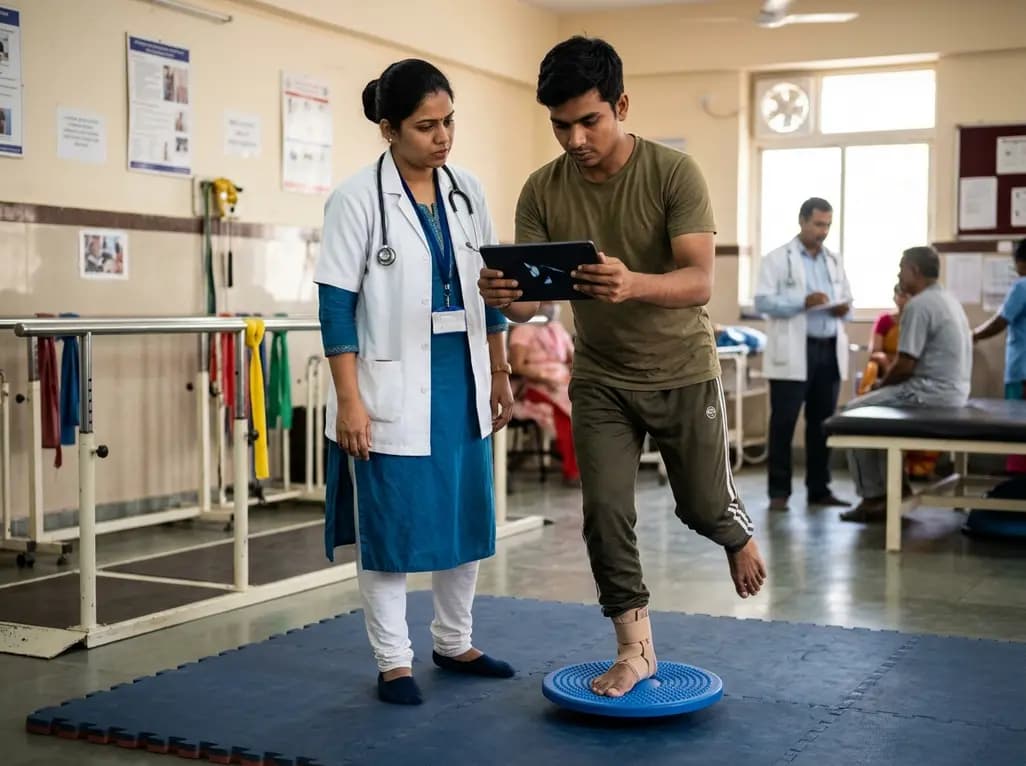
A randomized controlled trial demonstrates that an eight-week dual-task training intervention significantly improves static and dynamic postural control over standard balance exercises in individuals with chronic ankle instability, addressing critical neurocognitive deficits during athletic and daily activities.
Today

India is advancing preventive healthcare by integrating genomics, artificial intelligence, and quantum technologies. With the SANGAM programme sequencing one million Indian genomes, clinicians can unlock personalized therapies, detect cardiometabolic risks early, and curb the burden of diabetes and heart disease.
Today
