.webp&w=384&q=75)

Loading, please wait...
Loading, please wait...

India MedTech innovation is currently at a critical crossroads as the industry attempts to pivot from basic consumables to advanced medical technologies. While the country has historically excelled in producing low-risk Class A and B devices, experts now urge a shift toward high-end, R&D-driven solutions. This transition is essential because nearly 90 percent of current domestic firms operate as pure production units without dedicated research wings. Consequently, the reliance on imports for critical care technologies like MRI scanners and surgical robots remains high.
Furthermore, the government is actively incentivizing this technological leap through initiatives like the Biopharma SHAKTI scheme. This program allocates significant funding, including a dedicated Rs 1,000 crore for injectable devices and complex dosing mechanisms. Transitioning to deep-tech requires a stronger synergy between industry and academia to build robust product pipelines. Such collaborations are vital for startups to navigate the complex landscape of international patents and high-tech manufacturing.
Many domestic startups currently focus on the \"low-hanging fruit\" of the diagnostic playbook, often importing reagents rather than innovating locally. This strategy exposes them to intense global competition and limits their appeal to long-term investors. To drive real value, innovators must embrace riskier bets in high-tech domains. For instance, the Pfizer INDovation Program is now supporting startups that aim to reach higher Technology Readiness Levels (TRL) for real-world deployment.
One standout example of India MedTech innovation is a new AI-assisted software for early gastric cancer detection. This tool recently received US FDA Breakthrough Device designation, highlighting the potential for Indian software as a medical device (SaMD) to compete globally. In clinical trials, this AI algorithm demonstrated 96 per cent efficacy, outperforming traditional endoscopy standards. Such breakthroughs indicate that Indian innovators can indeed lead in high-complexity sectors when given the right mentorship and intellectual property support.
Q1: What are Class A and B medical devices?
Class A and B devices are categorized as low to moderate-risk instruments, such as bandages, gloves, and basic diagnostic kits, which currently dominate India's domestic production.
Q2: How does the Biopharma SHAKTI scheme support MedTech?
The scheme provides financial backing for biopharmaceuticals and medical devices, specifically earmarking funds for complex manufacturing like injectable delivery systems.
Q3: What is the significance of the US FDA Breakthrough Device designation?
This designation provides a fast-track approval pathway for innovative devices that provide more effective treatment or diagnosis of life-threatening or irreversibly debilitating diseases.
Disclaimer: This content is for informational and educational purposes only. It does not constitute medical advice or replace professional judgment. Refer to the latest local and national guidelines for clinical practice.
References

Read summarized clinical updates, watch expert medical content, and earn CME certifications right from your smartphone.
Open your smartphone camera to scan and install.





India's MedTech sector is evolving beyond low-risk devices toward high-end innovations like AI-assisted cancer detection, supported by new government scheme...
8 months ago
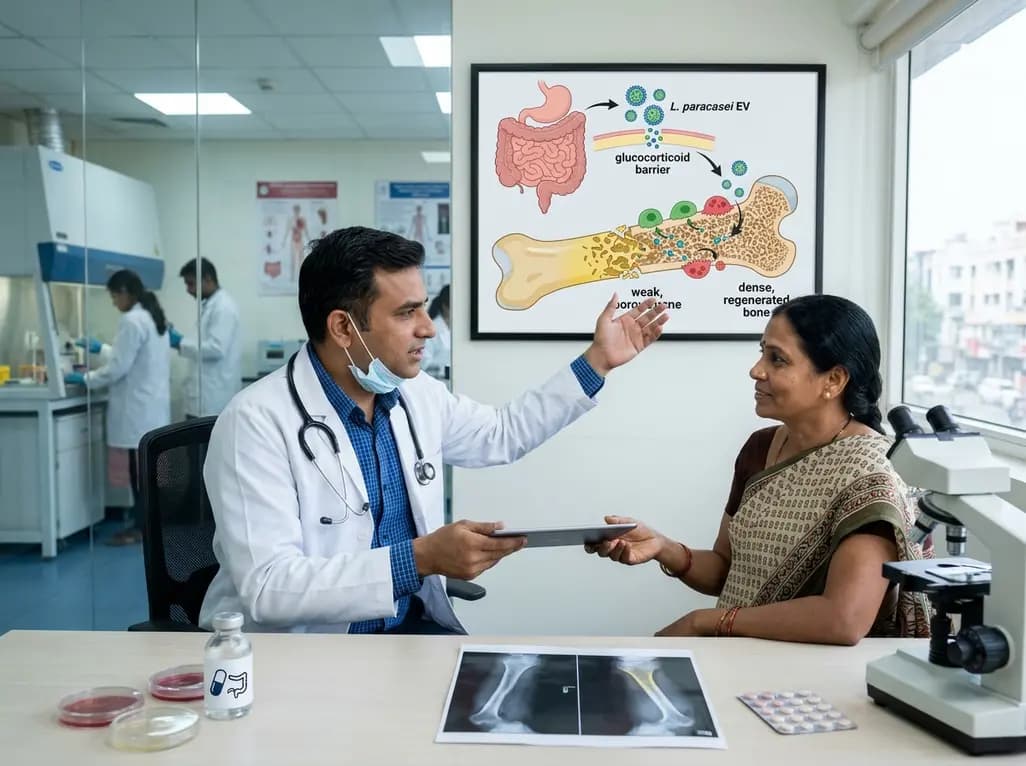
A novel oral nanoplatform using Lacticaseibacillus paracasei-derived extracellular vesicles delivers alendronate, reversing glucocorticoid-induced bone loss and restoring gut-immune-bone homeostasis.
Today

A study in JAMIA Open shows lightweight open-source reasoning LLMs achieve up to 95% sensitivity and accelerate evidence synthesis screening by nearly twentyfold, presenting a cost-effective, scalable AI solution for biomedical research and systematic reviews.
Yesterday
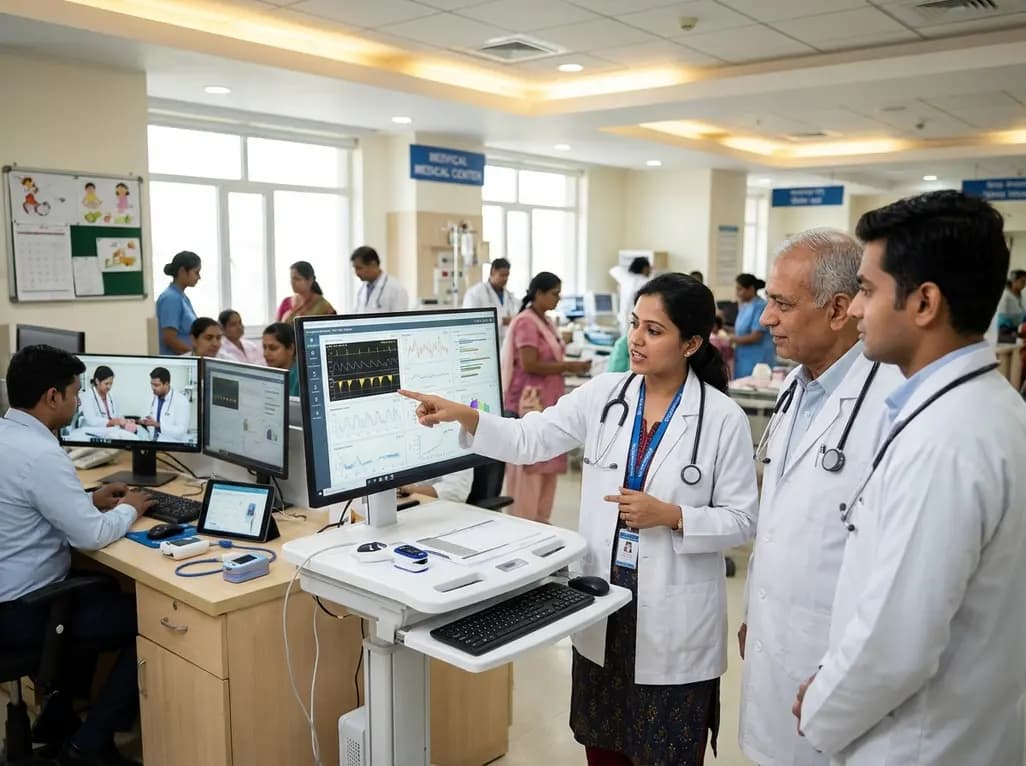
A landmark study details how an enterprise pediatric remote patient management model expanded from a single cardiology pilot to 16 diverse specialty programs by combining centralized digital operations with specialty clinical leadership.
Yesterday
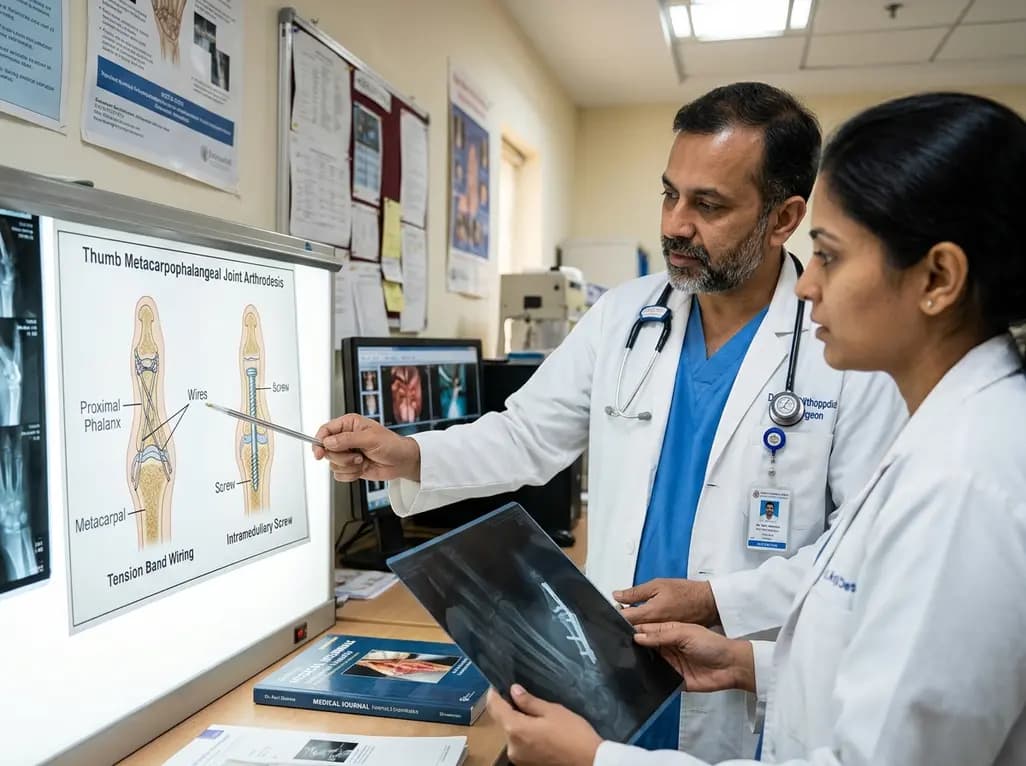
A comparative review of tension band wiring and intramedullary screw fixation in thumb metacarpophalangeal arthrodesis, evaluating union rates, hardware complications, and clinical outcomes.
Yesterday
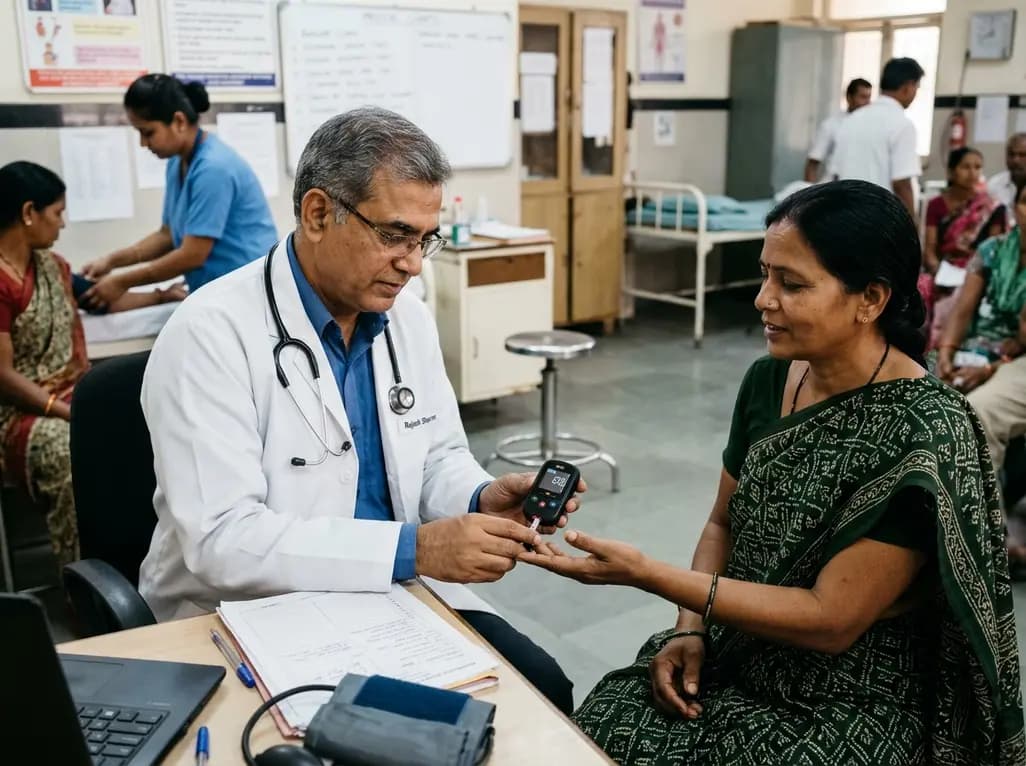
A real-world trial evaluating a near-infrared spectroscopy noninvasive glucose monitoring device in adults with type 2 diabetes demonstrated a combined MAD/MARD of 16.3 across 2,616 paired readings, highlighting its clinical feasibility.
Today
