.webp&w=384&q=75)

Loading, please wait...
Loading, please wait...
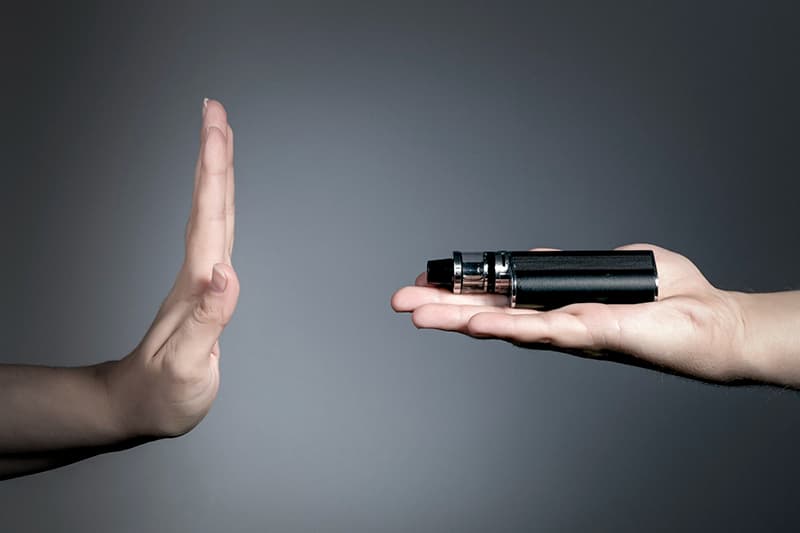
The Indian government has officially reaffirmed the India e-cigarette ban, dealing a significant blow to Philip Morris International. Specifically, the Ministry of Health ruled out any relaxation of the 2019 law that prohibits electronic nicotine delivery systems. This decision follows years of intense private lobbying by the tobacco giant to permit its heat-not-burn (HNB) device, IQOS. Consequently, India remains one of the strictest markets globally regarding alternative tobacco products.
Notably, the government emphasizes that its stance is rooted in evidence-based tobacco control measures. Therefore, New Delhi intends to prevent a new wave of nicotine addiction among the youth. Tobacco currently kills more than a million people in India every year. Although Philip Morris argues that IQOS is less harmful than traditional cigarettes, the World Health Organization (WHO) warns of substantial risks. Furthermore, the Indian Council of Medical Research (ICMR) confirmed it has no plans to research these products.
Meanwhile, Philip Morris executives lobbied top officials and parliamentary panels from 2021 to 2025. They requested scientific reviews and exemptions for heat-not-burn products. Specifically, they proposed that India should adopt harm-reduction policies similar to those for HIV/AIDS. However, the health ministry stated that the law explicitly bans such devices. Since India is the world\'s seventh-largest cigarette market, the stakes for tobacco firms are incredibly high. Additionally, other countries like Vietnam have recently strengthened their own bans on these products.
Q1: Does the India e-cigarette ban include heat-not-burn (HNB) products?
Yes, the Ministry of Health has clarified that the 2019 Prohibition of Electronic Cigarettes Act explicitly covers all heat-not-burn tobacco devices.
Q2: Why did India reject the proposal to allow IQOS?
The government rejected the proposal to prioritize public health and prevent nicotine addiction, citing a lack of local research and warnings from international health bodies like the WHO.
Disclaimer: This content is for informational and educational purposes only. It does not constitute medical advice or replace professional judgment. Refer to the latest local and national guidelines for clinical practice.
References

Read summarized clinical updates, watch expert medical content, and earn CME certifications right from your smartphone.
Open your smartphone camera to scan and install.





India maintains its firm ban on e-cigarettes and heat-not-burn products like IQOS, rejecting years of lobbying by Philip Morris to prioritize public health....
8 months ago

Review how tailored exercise programs benefit frail older patients with heart failure. Explore pathophysiological mechanisms, individualized training prescriptions, and strategies to overcome adherence barriers in clinical practice.
Today

Leucine Rich Bio has introduced South Asia's first comprehensive vaginal microbiome test, BugSpeaks. By profiling microbial dysbiosis, pathogens, and antimicrobial resistance, this next-generation diagnostic platform provides clinicians with deeper insights into recurrent infections, fertility, and reproductive health.
Today

In high-risk pulmonary embolism complicated by severe anemia and active uterine bleeding, systemic thrombolysis is contraindicated. Large-bore aspiration thrombectomy provides rapid hemodynamic rescue without fibrinolysis, supported by inferior vena cava filter placement and multidisciplinary critical care.
Today

This comparative study evaluates posterior labral tears with and without glenohumeral instability, highlighting distinct demographic patterns, MRI underestimation in stable shoulders, and successful arthroscopic repair outcomes.
Today

A clinical study demonstrates that early intervention with tocilizumab, either as monotherapy or bridged with corticosteroids, achieves significant proptosis reduction and resolves active inflammation in treatment-naive thyroid eye disease.
Today
