.webp&w=384&q=75)

Loading, please wait...
Loading, please wait...

Immune Recovery Uveitis (IRU) is a paradoxical inflammatory condition that occurs as the immune system reconstitutes following profound immunosuppression. Specifically, this condition often affects patients who have previously suffered from cytomegalovirus (CMV) retinitis after receiving a hematopoietic stem cell transplantation (HSCT). Although the recovery of the immune system is a positive clinical milestone, it can trigger a robust inflammatory response against residual viral antigens in the eye. Consequently, this inflammation leads to significant ocular morbidity and potential vision loss if not managed promptly.
Recent research has identified specific clinical markers that predispose patients to this condition. The study evaluated various variables, including age, systemic CMV treatment, and retinal involvement. Furthermore, researchers found that the recurrence of CMV retinitis is a major predictor of IRU development. Patients who experienced multiple episodes of viral activity were significantly more likely to develop subsequent intraocular inflammation. Additionally, the extent of the initial infection played a crucial role. Retinal involvement of more than two zones was identified as a significant risk factor, suggesting that a higher intraocular viral load or larger areas of tissue damage might provoke a more intense immune response.
The impact of IRU on long-term vision is substantial. Patients in the IRU group consistently demonstrated worse visual acuity compared to those in the non-IRU group. This disparity was evident both at the time of the initial CMV retinitis diagnosis and during the final clinical visit. Moreover, the study indicates that IRU is not merely a transient inflammatory phase but a condition that can permanently impair visual function. Therefore, early detection through regular ophthalmic screening is essential for patients undergoing HSCT, especially those with extensive retinal involvement or recurrent infections.
The main risk factors include the recurrence of CMV retinitis and the involvement of more than two retinal zones at the time of the initial diagnosis. These factors suggest that both the duration and the extent of viral exposure contribute to the risk.
Patients with IRU generally experience significantly worse visual acuity than those who recover from CMV retinitis without developing uveitis. This visual impairment often persists through the final follow-up visit.
While the study evaluated different hematologic diseases, the most significant predictors were related to the ocular manifestation of CMV and the pattern of immune recovery rather than the specific type of underlying hematologic malignancy.
Disclaimer: This content is for informational and educational purposes only. It does not constitute professional medical advice, diagnosis, or treatment. Always seek the advice of your physician or other qualified healthcare provider with any questions you may have regarding a medical condition. Refer to the latest local and national guidelines for clinical practice.
References
Kim JY et al. Risk Factors for Immune Recovery Uveitis in Patients with Cytomegalovirus Retinitis After Hematopoietic Stem Cell Transplantation. Ocul Immunol Inflamm. 2026 Apr 17. doi: 10.1080/09273948.2026.2620452. PMID: 41996150.
Nguyen QD, Kempen JH, Bolton SG, et al. Immune recovery uveitis: morbidity, clinical characteristics, and risk factors. Ophthalmology. 2000;107(10):1829-1836.
Karavellas MP, Lowder CY, Macdonald C, et al. Immune recovery vitritis associated with cytomegalovirus retinitis in AIDS patients who respond to highly active antiretroviral therapy. Ophthalmology. 1998;105(12):2196-2201.
"
Read summarized clinical updates, watch expert medical content, and earn CME certifications right from your smartphone.
Open your smartphone camera to scan and install.





New research identifies CMV retinitis recurrence and extensive retinal involvement as primary risk factors for Immune Recovery Uveitis in post-HSCT patients...
6 months ago

Explore why official drug package inserts fail to reflect modern evidence for clozapine prescribing. Learn how legal standards of care, case law, slow titration, and vital adverse event monitoring empower clinicians to prioritize evidence-based medical practice over outdated manufacturer labeling.
Today
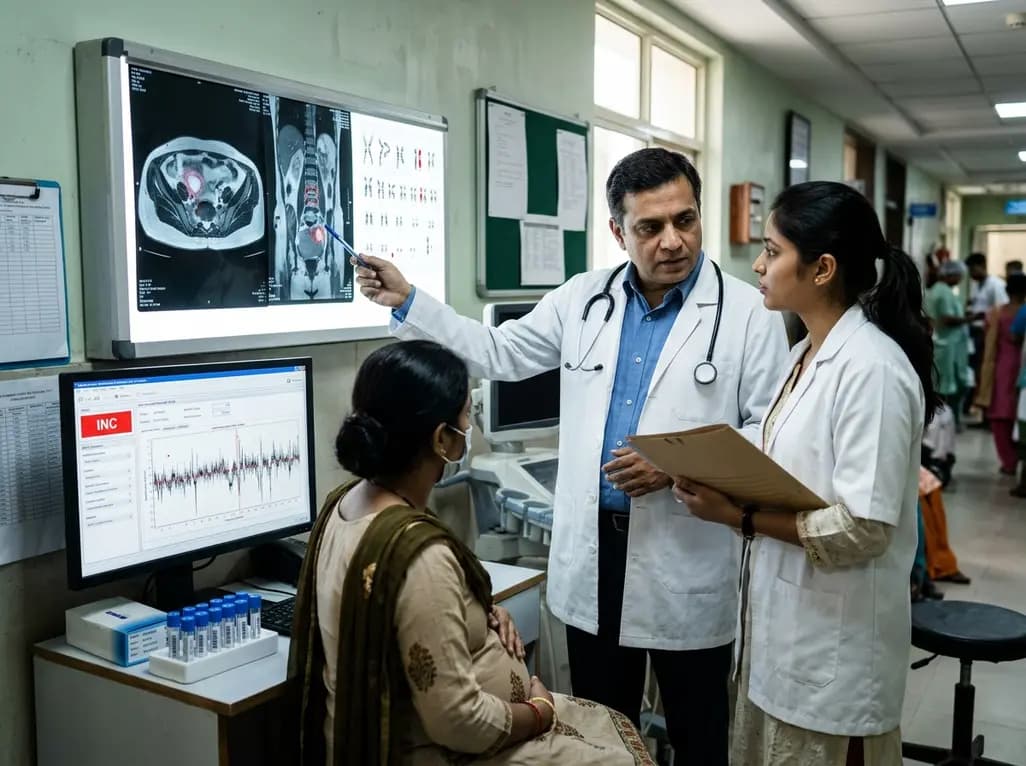
Occult maternal malignancy accounts for 3.82% of persistent unreportable NIPT results with genomic noise. Multiple chromosomal aberrations, notably on chromosome 18, warrant thorough oncological evaluation and whole-body MRI to ensure timely maternal diagnosis while preserving fetal care.
Today
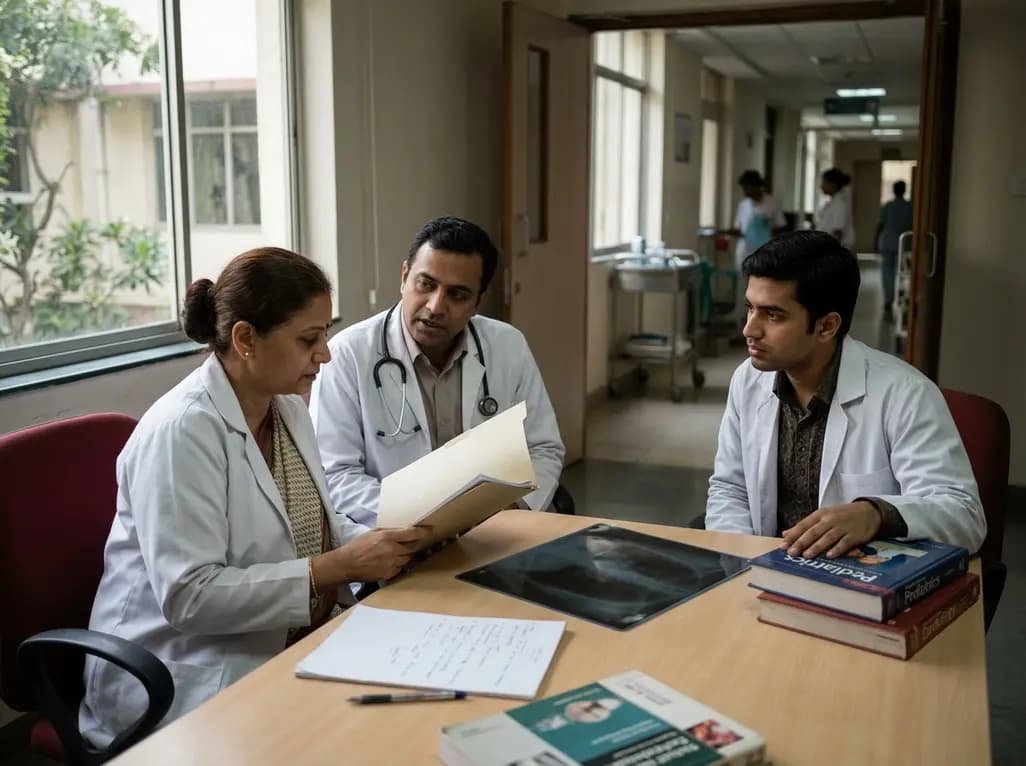
This article reviews the forensic and clinical complexities of acute myocarditis arising on left ventricular hypertrophy in children, highlighting early diagnostic red flags and multidisciplinary postmortem autopsy protocols.
Today
A randomized controlled trial demonstrates that an eight-week dual-task training intervention significantly improves static and dynamic postural control over standard balance exercises in individuals with chronic ankle instability, addressing critical neurocognitive deficits during athletic and daily activities.
Today

A retrospective cohort study of 7,716 ICU patients from the MIMIC-IV database demonstrates that Gradient Boosting Decision Trees significantly outperform traditional SOFA scores in predicting in-hospital mortality among patients with sepsis and diabetes, with SHAP analysis providing clinical interpretability.
Today
