.webp&w=384&q=75)

Loading, please wait...
Loading, please wait...

Recent clinical research highlights the significant impact of a hybrid care dual diagnosis model on patient retention. Managing substance use disorders (SUD) and comorbid mental health conditions remains a complex challenge for clinicians across the globe. However, the integration of telehealth with traditional in-person care offers a promising solution to these long-standing engagement issues. A retrospective study involving over 6,000 outpatients recently evaluated these utilization patterns across different pandemic phases.
The study discovered that hybrid care utilization increased significantly during the pandemic and remained high thereafter. Furthermore, patients receiving this mixed modality experienced significantly lower dropout rates than those using only in-person care. Women and individuals with opioid use disorder (OUD) were especially likely to benefit from this flexible approach. Consequently, these findings suggest that telehealth is not merely a temporary substitute but a vital permanent tool for specialized care.
Moreover, the data indicated that coordinated care further reduces attrition. Specifically, patients in programs where addiction and mental health centers work together stayed in treatment longer. On the other hand, traditional models without digital flexibility often face higher attrition rates. Consequently, the transition to hybrid care appears essential for modern psychiatry. Additionally, the flexibility of remote sessions helps overcome geographic and logistical barriers. Thus, the overall effectiveness of treatment increases. Finally, the evidence supports a permanent shift in clinical practice to ensure long-term patient stability.
Hybrid care integrates both traditional in-person clinical visits and remote telehealth sessions into a single, cohesive treatment plan. This approach offers necessary flexibility and ensures continuous support for patients managing the complexities of both mental health and substance use disorders.
Hybrid models reduce logistical barriers such as travel time and scheduling conflicts while maintaining the therapeutic bond established during face-to-face sessions. Therefore, patients are more likely to remain engaged in long-term treatment protocols compared to traditional methods.
Disclaimer: This content is for informational and educational purposes only and does not constitute medical advice or a professional relationship. Refer to the latest local and national guidelines for clinical practice.
References
Narváez-Camargo M et al. Hybrid And In-Person Care for Dual Diagnosis Patients: Utilization Patterns and Impact on Dropout Across COVID-19 Public Health Periods. J Dual Diagn. 2026 Mar 08. doi: 10.1080/15504263.2026.2638190. PMID: 41795803.
Lozano ÓM et al. Coordinated Treatment for Dual Diagnosis: Longer Treatment with Comparable Outcomes to Substance Use Disorder-Only Outpatients. Subst Use Misuse. 2025;60(10):1514-1522. doi: 10.1080/10826084.2025.2505761.
Mancheño-Velasco C et al. Examining Profiles and Treatment Outcomes in Dual Diagnosis: Comparison of Coordinated Treatment With Mental Health Services Versus Addiction Center Alone. J Dual Diagn. 2024;20(3):266-278. doi: 10.1080/15504263.2024.2323976.

Read summarized clinical updates, watch expert medical content, and earn CME certifications right from your smartphone.
Open your smartphone camera to scan and install.





A retrospective study shows hybrid care (telehealth + in-person) significantly reduces dropout rates for patients with dual diagnosis (SUD and mental health...
6 months ago
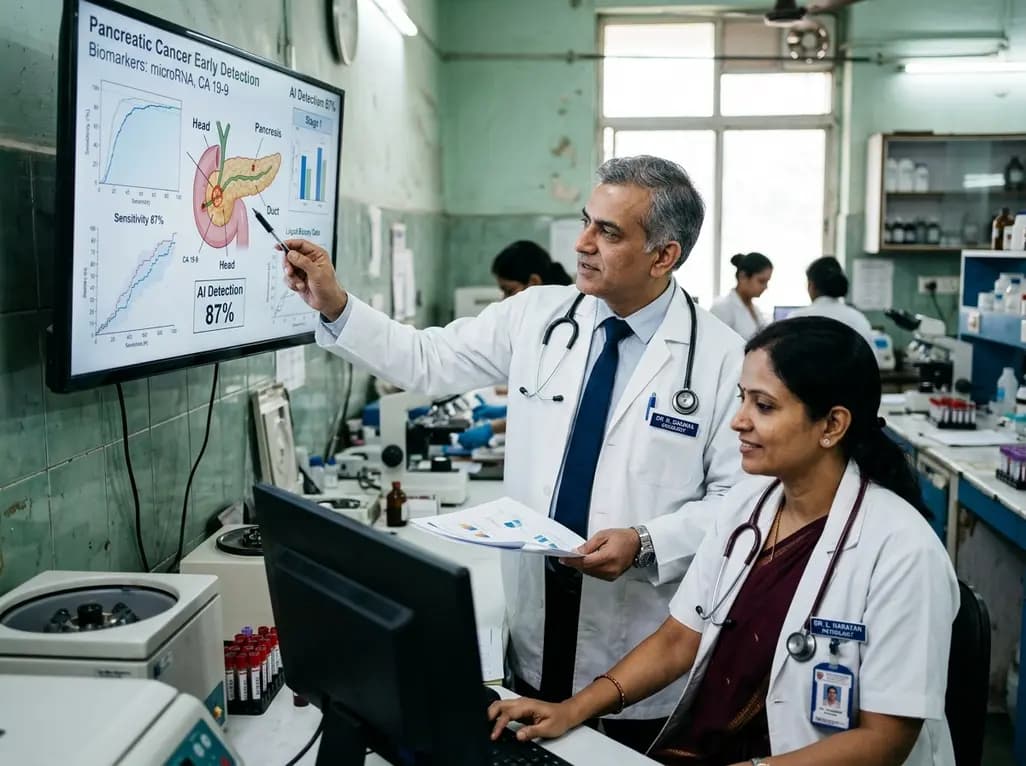
A breakthrough multi-analyte liquid biopsy combining microRNAs and CA19-9 with artificial intelligence shows 87% sensitivity for early-stage pancreatic cancer detection, identifying resectable disease and high-grade dysplasia.
Today

Meghalaya recorded a historic 55% reduction in maternal deaths, dropping from 244 to 107 over five years. Through the MOTHER app, dedicated transit homes, and expanded infrastructure like the 150-bed Tura Maternity Hospital with its first public NICU, the state demonstrates an effective public health model.
Today

Explore modern perioperative management protocols for clinical xenotransplantation. Learn how costimulation blockade, anti-inflammatory perfusion, and coagulopathy rescue overcome interspecies hurdles.
Today
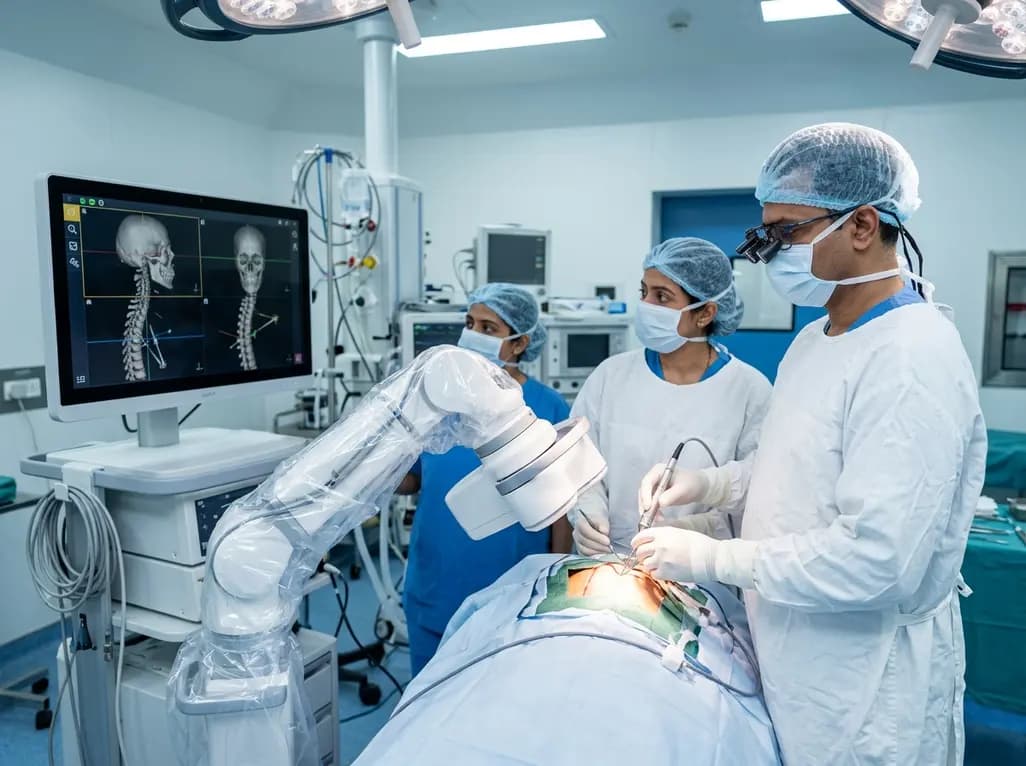
North India's first Centre of Excellence for Brain and Spine at Amrita Hospital Faridabad integrates Brainlab's Loop-X mobile robot. This landmark facility combines cone-beam computed tomography with surgical navigation to elevate precision, optimize operative workflows, and enhance specialized clinician training.
Today
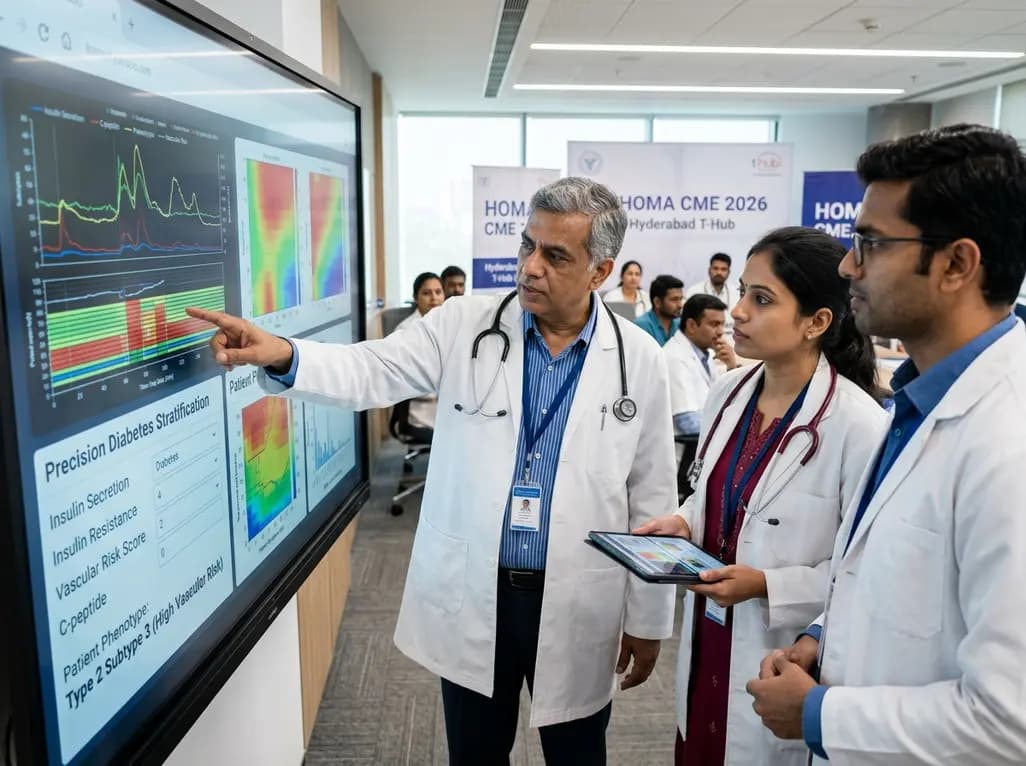
At Homa CME 2026 at Hyderabad's T-Hub, healthcare leaders emphasized moving beyond routine metrics through digital calculators and precision stratification. Discover why characterizing individual insulin secretion, resistance patterns, and vascular risks transforms chronic metabolic care in India.
Today
