
Loading, please wait...
.webp&w=384&q=75)
Loading, please wait...
"Wherever the art of Medicine is loved, there is also a love of Humanity."
Hippocrates

Researchers recently published a comprehensive map of the human proteomic landscape in Nature. This study analyzed more than 13,000 proteins across 2,856 samples using advanced mass spectrometry. Consequently, clinicians can now explore protein trajectories across 58 tissue types and 25 different carcinomas. Furthermore, the data provides a detailed comparison between healthy adult tissues, fetal stages, and various tumor states.
Specifically, this resource facilitates the identification of organ-specific toxicity and potential anticancer drug candidates. Therefore, medical professionals can prioritize therapeutic targets with greater precision than before. Additionally, the map helps researchers understand the complex developmental processes that lead to oncogenic progression. For instance, the spatial resolution allows for a clearer view of how proteins behave in adjacent non-tumour tissues versus malignant ones.
Moreover, the integration of these datasets provides a quantitative foundation for future biological research. However, the true value lies in the immediate application of these findings to drug repurposing. Because researchers identified specific protein signatures for 25 distinct carcinomas, pharmaceutical discovery can now become more targeted and efficient. Ultimately, this resource sets a new standard for navigating the human proteome in both health and disease.
The map provides a high-resolution baseline for 58 tissue types, helping clinicians distinguish between healthy and diseased protein distributions. This assists in identifying biomarkers and predicting drug-induced toxicity.
By profiling 25 carcinomas, the study highlights unique protein targets for therapy. Consequently, researchers can identify existing drugs that may work against these new targets, accelerating the drug repurposing process.
Disclaimer: This content is for informational and educational purposes only. It is not intended to be a substitute for professional medical advice, diagnosis, or treatment. Always seek the advice of your physician or other qualified health provider with any questions you may have regarding a medical condition. Refer to the latest local and national guidelines for clinical practice.
References
1. Yue L et al. Spatial distribution of the proteome in the human body and in cancers. Nature. 2026 Jun 17. doi: 10.1038/s41586-026-10660-y. PMID: 42310461.
2. He F, Aebersold R, et al. π-HuB: the proteomic navigator of the human body. Nature. 2024 Dec;636(8042):322-331.
3. Jiang L et al. A Quantitative Proteome Map of the Human Body. Cell. 2020 Oct 1;183(1):269-283.e19.
Link will be sent via SMS to your number.



Researchers have mapped the human proteomic landscape across 58 tissue types and 25 cancers. This study profiles over 13,000 proteins, offering insights into organ-specific toxicity and anticancer drug candidates, providing a quantitative resource for navigating biology and disease progression.
4 days back
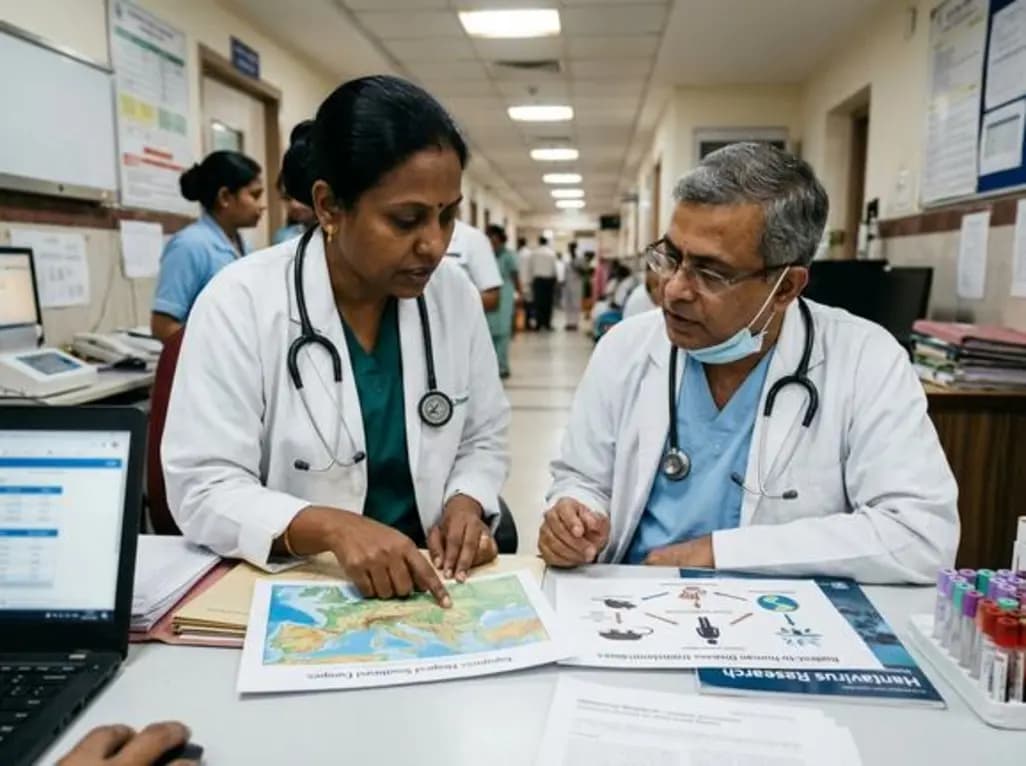
Hantaviruses are evolving from localized rural diseases into a global public health threat driven by climate change. This article examines the importance of the One Health approach in Southeast Europe to manage rodent reservoirs and prevent zoonotic spillover as environmental conditions shift.
Today

A recent study led by AIIMS Delhi reveals that a 12-week structured yoga program can significantly improve hormonal levels, menstrual regularity, and insulin sensitivity in women with Polyendocrine Metabolic Ovarian Syndrome (PMOS), proving its efficacy as a therapeutic adjunct beyond simple weight loss.
Today
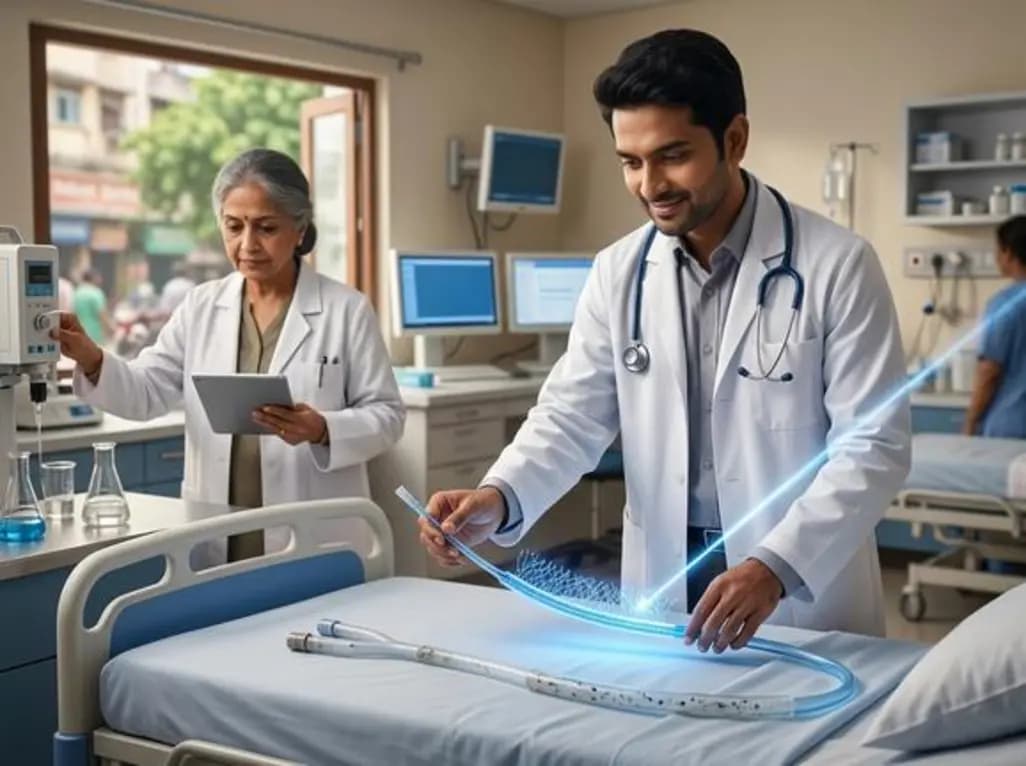
Recent research highlights mussel-inspired catechol-amine copolyether brushes as a breakthrough in antifouling. By achieving high grafting density and maintaining chemical integrity, these coatings effectively prevent biofilm formation on medical devices, offering a substrate-independent solution for clinicians.
Today

A randomized controlled trial compared static stretching and myofascial release for hamstring tightness in IT professionals. While both methods improved flexibility, myofascial release demonstrated superior results in range of motion and functional scores over a three-week treatment period.
Today
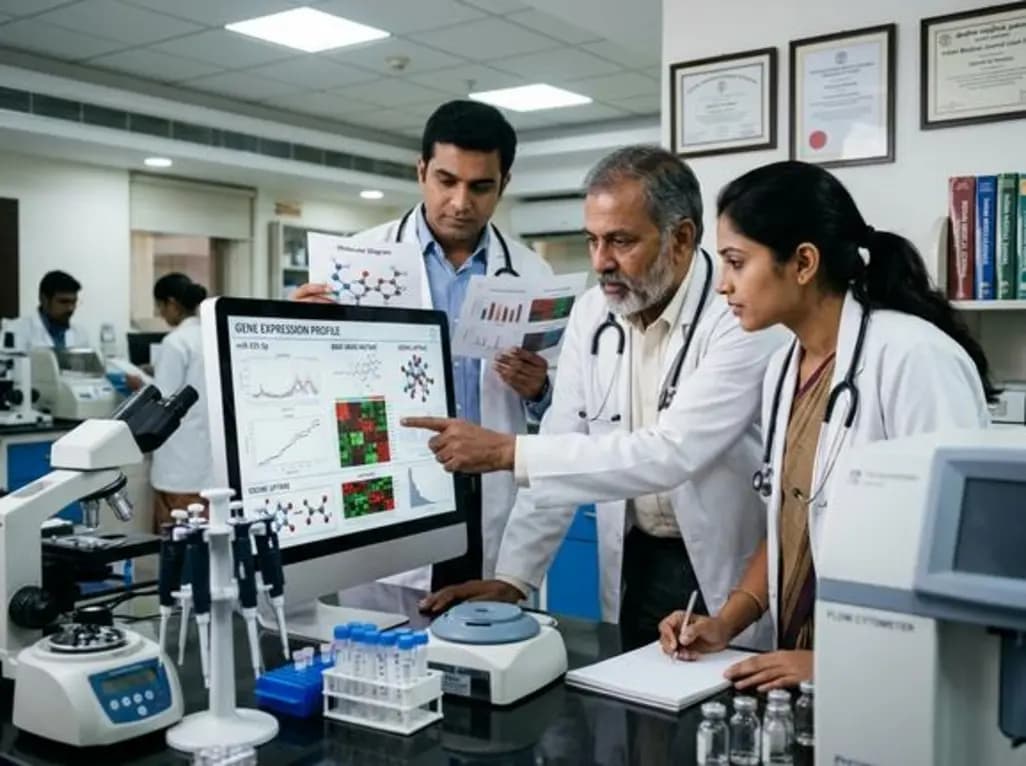
Recent research identifies miR-335-5p as a key regulator for redifferentiating BRAF-mutant thyroid cancers. Restoring this microRNA enhances iodine uptake and inhibits EMT pathways, potentially resensitizing tumors to radioiodine and improving kinase inhibitor outcomes for refractory patients.
Today