.webp&w=384&q=75)

Loading, please wait...
Loading, please wait...

A comprehensive study recently detailed the significant e-waste management risks within the informal sector. Specifically, the E-waste Producer Responsibility Organization of Nigeria (EPRON) investigated 495 operators to understand their practices. Most collectors are young males with an average age of 33 years. Unfortunately, a staggering 61.6% of these workers remain unaware of existing environmental regulations. Consequently, they rely on manual dismantling and crude recovery methods. Furthermore, only 51.5% of collectors utilize personal protective equipment regularly. Most e-waste comes from house-to-house collection, with televisions and mobile phones being the most common items.
Medical professionals must understand the physiological impact of crude recycling practices. Improper handling releases toxic heavy metals such as lead, mercury, and cadmium into the soil and air. Moreover, these substances can cause chronic respiratory issues and significant neurological damage. In fact, recent research links e-waste exposure to DNA lesions and reduced immune responsiveness. Similarly, endocrine disruption and birth defects are major concerns in communities living near recycling hubs. Therefore, targeted awareness campaigns and clinical vigilance are essential for worker safety.
In India, the E-Waste (Management) Rules 2022 aim to formalize this vulnerable sector. These regulations implement Extended Producer Responsibility (EPR) to ensure safe disposal and recycling. However, a significant portion of waste still flows through informal channels. Consequently, healthcare providers play a crucial role in diagnosing environmental toxicities. Additionally, they can advocate for better collection infrastructure and specialized training for workers. Ultimately, achieving a circular economy depends on successfully integrating informal workers into safe, regulated systems.
Informal recycling often leads to heavy metal poisoning from lead, mercury, and cadmium. Workers frequently experience respiratory disorders, skin rashes, and chronic neurological impairment. Long-term exposure is also linked to DNA damage and adverse reproductive outcomes.
The 2022 Rules mandate Extended Producer Responsibility, requiring manufacturers to meet strict recycling targets. It formalizes the sector by requiring all recyclers and dismantlers to register with the Central Pollution Control Board. This framework aims to reduce indiscriminate handling and promote a sustainable circular economy.
Disclaimer: This content is for informational and educational purposes only... Refer to the latest local and national guidelines for clinical practice.
References
Nnorom IC et al. Informal e-waste management in Nigeria: A comprehensive analysis of practices, challenges, and opportunities for sustainable solutions towards a circular economy. Waste Manag Res. 2026 Apr 11. doi: 10.1177/0734242X261435297. PMID: 41964398.
Hou X et al. Health consequences of exposure to e-waste: an updated systematic review. Lancet Planet Health. 2021;5(12):e905-e920. doi: 10.1016/S2542-5196(21)00263-1.
Ministry of Environment, Forest and Climate Change. E-Waste (Management) Rules, 2022. Government of India. Gazette Notification G.S.R. 801(E).

Read summarized clinical updates, watch expert medical content, and earn CME certifications right from your smartphone.
Open your smartphone camera to scan and install.





A comprehensive study on informal e-waste management in Nigeria highlights significant health risks, lack of PPE, and the need for circular economy solution...
6 months ago
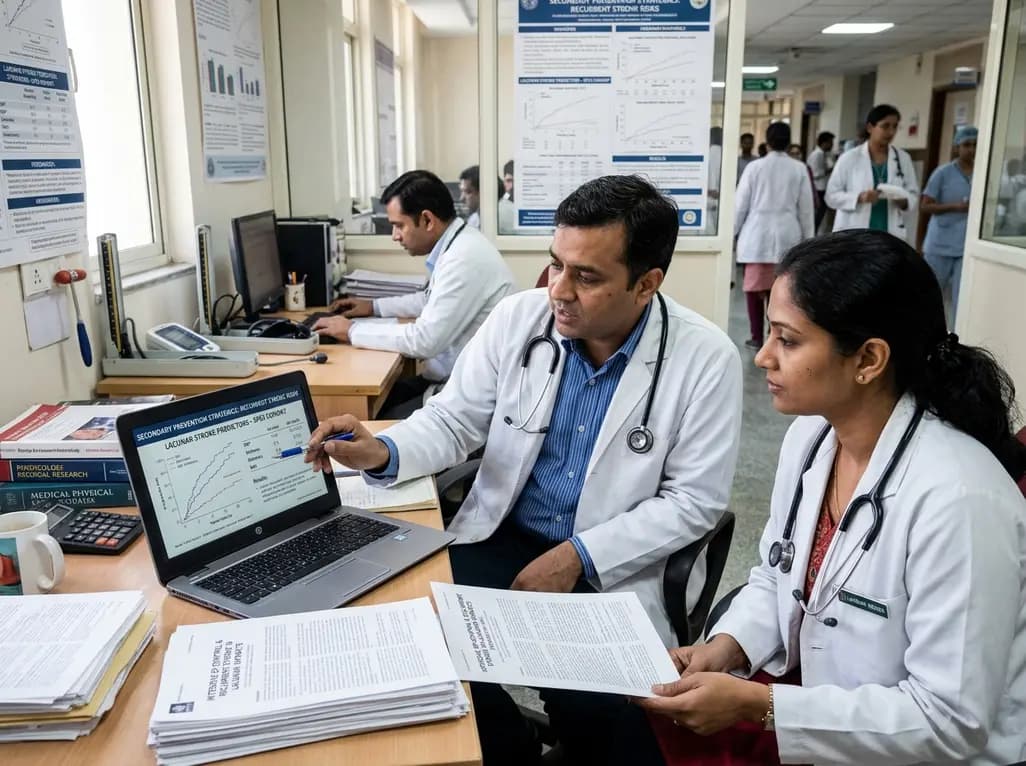
Explore vital recurrent stroke predictors in lacunar stroke patients managed with intensive blood pressure lowering. This analysis examines trial findings from SPS3 to uncover residual vascular risks, metabolic factors, and targeted secondary prevention strategies for high-risk neurological patients.
Today

A comprehensive scoping review synthesises evidence linking prenatal maternal mental health to long-term offspring neurodevelopment, evaluating neuroendocrine, inflammatory, and epigenetic pathways while highlighting clinical screening and future research priorities.
Today

The Directorate General of Health Services directs Indian states to halt the hazardous reuse and reprocessing of single-use medical devices. Discover regulatory implications under the Drugs and Cosmetics Act, critical infection risks, legal liabilities, and operational changes required across clinical specialties.
Today
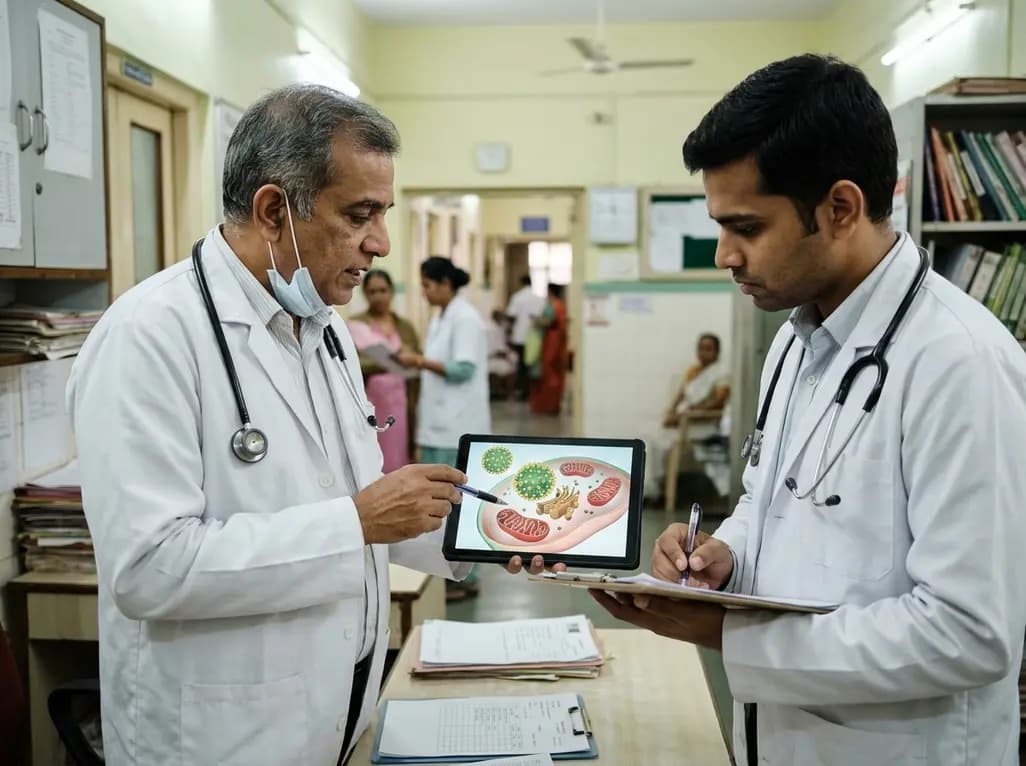
Mitochondria-targeted nanoparticles self-assembled from EGCG and L-glutamic acid effectively restore mitochondrial homeostasis, suppress synovial inflammation, and attenuate chondrocyte senescence in osteoarthritis, offering a promising disease-modifying nanotherapy.
Today

India is advancing preventive healthcare by integrating genomics, artificial intelligence, and quantum technologies. With the SANGAM programme sequencing one million Indian genomes, clinicians can unlock personalized therapies, detect cardiometabolic risks early, and curb the burden of diabetes and heart disease.
Today
