
Loading, please wait...
.webp&w=384&q=75)
Loading, please wait...
"Wherever the art of Medicine is loved, there is also a love of Humanity."
Hippocrates

Goa has achieved a remarkable milestone in preventive healthcare by completing over 1.37 lakh screenings. Specifically, the state's free, digital AI lung cancer screening initiative has revolutionized early disease detection. In collaboration with AstraZeneca India and Qure.ai, the Goa government aims to make critical diagnostics affordable and accessible. Health Minister Vishwajit Rane shared this milestone on X on Friday. Consequently, this advanced technology ensures that clinical teams can identify high-risk pulmonary nodules early.
Moreover, the deployment of artificial intelligence inside Goa's public health facilities addresses a critical clinical challenge. Usually, clinicians diagnose lung cancer at very advanced stages, which limits treatment success. However, Goa's digital health infrastructure now embeds the AI software directly into routine workflows. Because of this integration, every routine chest X-ray taken at a government facility undergoes automatic triaging. Therefore, clinicians can detect unsuspected or incidental nodules without requesting extra, expensive diagnostic steps. This proactive approach ensures timely interventions and improves long-term outcomes for patients.
Additionally, the state has established a highly structured care pathway to support the automated triage program. First, digital diagnostic machines across public health centers capture the initial X-ray scans. Second, the AI algorithm flags abnormal patterns instantly and notifies the on-site clinical team. Following this alert, dedicated patient navigators help high-risk patients schedule confirmatory low-dose computed tomography scans. Finally, the state government provides these services entirely free of charge, eliminating financial barriers. Thus, Goa is setting a national benchmark for scalable digital health interventions.
Q1: How does the AI lung cancer screening tool work in Goa?
The AI software integrates directly with digital X-ray machines in public health centers. Therefore, it automatically reviews chest X-ray images for high-risk pulmonary abnormalities in real time and flags potential issues immediately.
Q2: Who can access this screening service?
All citizens visiting public health centers in Goa can access this service free of charge. Specifically, the initiative aims to provide equitable, advanced diagnostics to high-risk groups, including heavy smokers and senior citizens.
Disclaimer: This content is for informational and educational purposes only. It does not constitute medical advice or replace professional judgment. Refer to the latest local and national guidelines for clinical practice.
References
Link will be sent via SMS to your number.



Goa's pioneering public healthcare initiative has successfully completed over 1.37 lakh free, AI-powered lung cancer screenings. In collaboration with AstraZeneca and Qure.ai, this state-wide program embeds advanced radiology algorithms to identify early-stage thoracic abnormalities and save lives.
3 days back
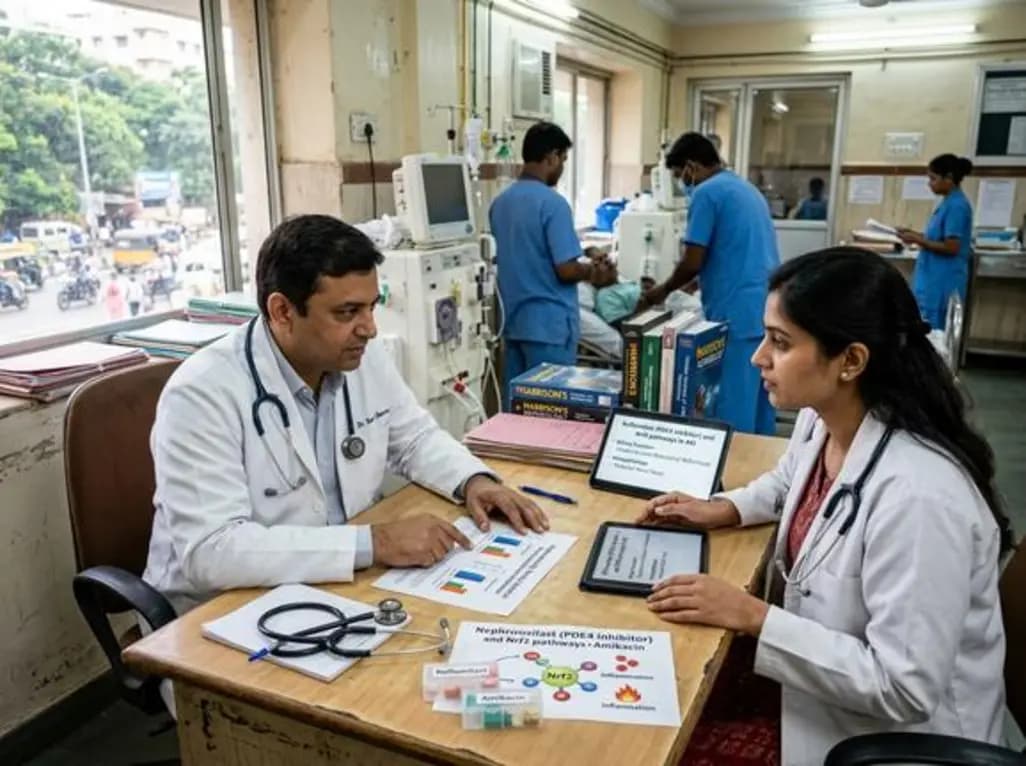
A recent study demonstrates that Roflumilast, a PDE4 inhibitor, provides a significant renoprotective effect against amikacin-induced nephrotoxicity by upregulating Nrf2 signaling and suppressing inflammatory and apoptotic pathways.
Today
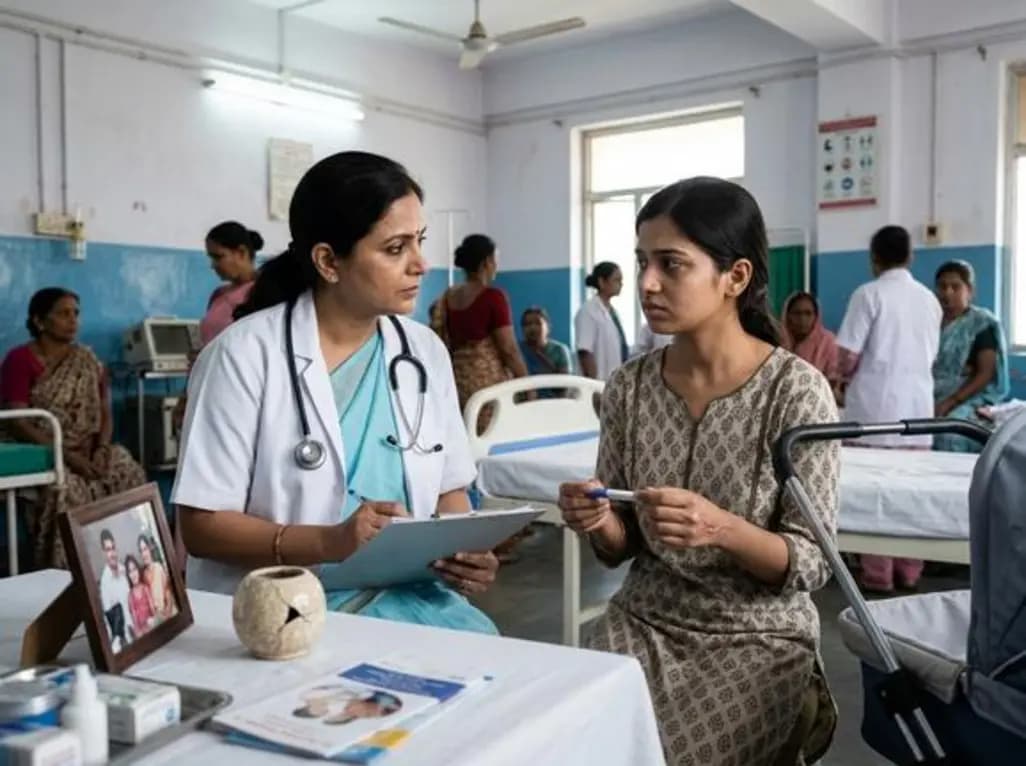
A study on 294 women after the Kahramanmaras earthquake shows that death distress, especially death depression, significantly influences fertility intentions. Key factors include age, income, and trauma experience, highlighting the need for mental health support in post-disaster care.
Today
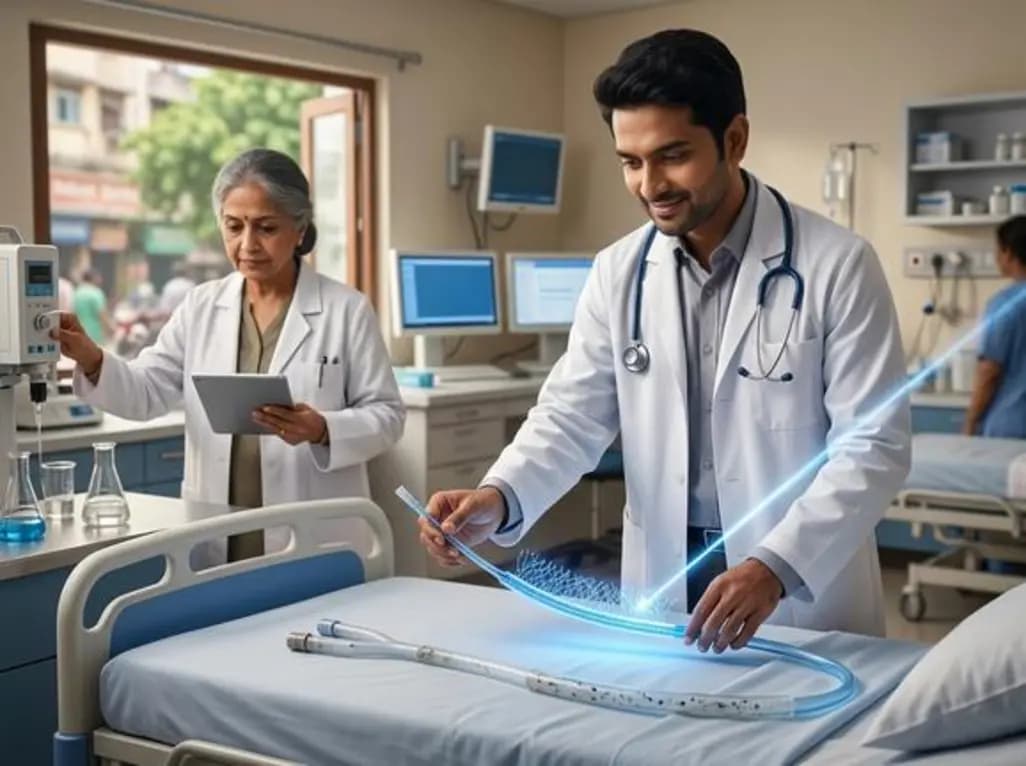
Recent research highlights mussel-inspired catechol-amine copolyether brushes as a breakthrough in antifouling. By achieving high grafting density and maintaining chemical integrity, these coatings effectively prevent biofilm formation on medical devices, offering a substrate-independent solution for clinicians.
Today
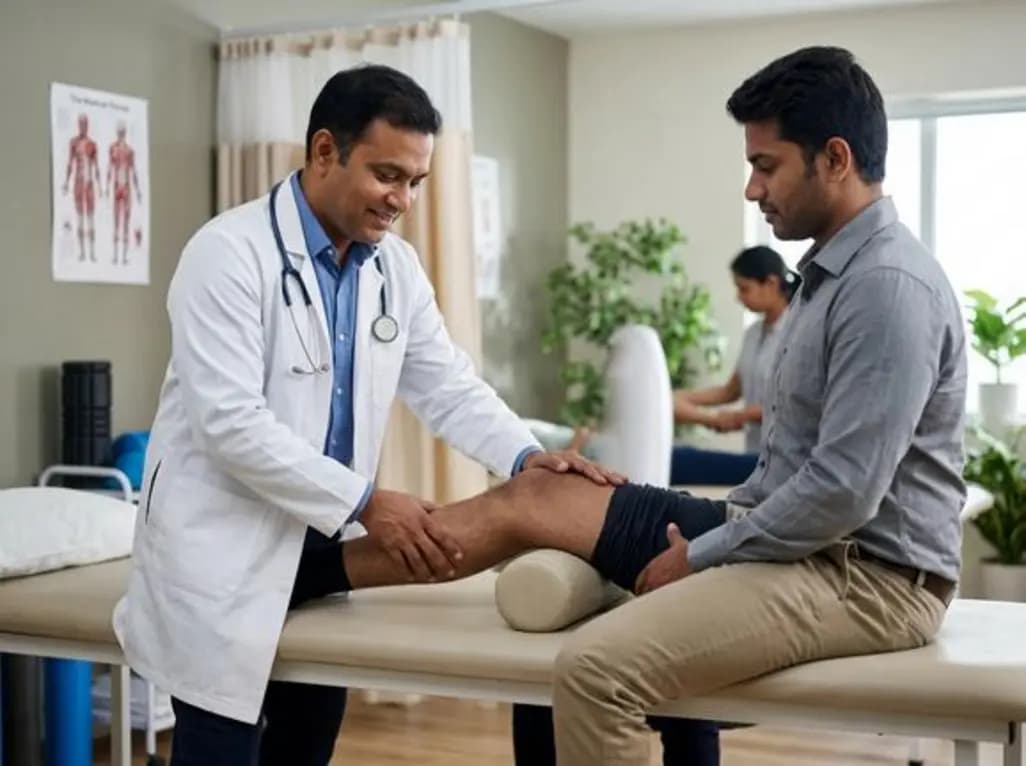
A randomized controlled trial compared static stretching and myofascial release for hamstring tightness in IT professionals. While both methods improved flexibility, myofascial release demonstrated superior results in range of motion and functional scores over a three-week treatment period.
Today
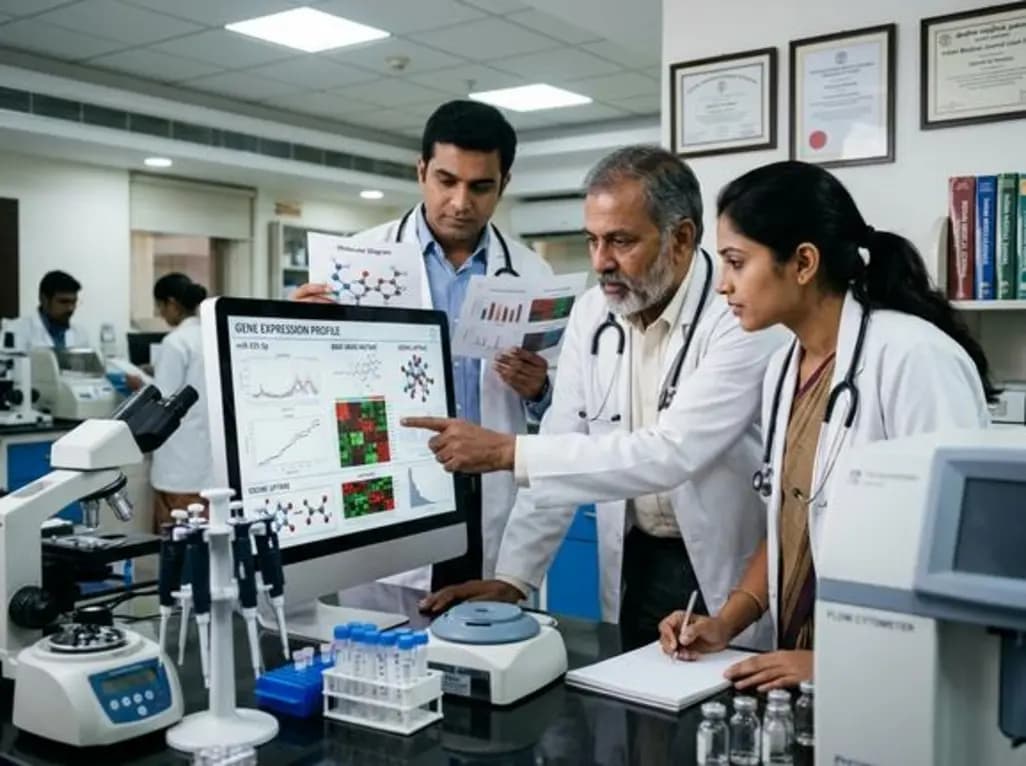
Recent research identifies miR-335-5p as a key regulator for redifferentiating BRAF-mutant thyroid cancers. Restoring this microRNA enhances iodine uptake and inhibits EMT pathways, potentially resensitizing tumors to radioiodine and improving kinase inhibitor outcomes for refractory patients.
Today