.webp&w=384&q=75)

Loading, please wait...
Loading, please wait...

Germany is currently advancing a significant public health initiative. The proposed Germany sugar tax aims to combat rising obesity rates and related chronic illnesses across the nation. Consequently, the Bundesrat is set to vote on a legislative process that would introduce a levy on sugary drinks. Furthermore, the plan includes a strict ban on selling energy drinks to children under the age of 16. This movement reflects a growing cross-party consensus on the need for tougher action against unhealthy dietary habits.
Health experts believe a tiered levy will encourage manufacturers to reformulate their products. Therefore, companies might reduce sugar content to avoid higher tax brackets. A recent study by the Technical University of Munich suggests that a tax modeled after the UK’s system could be highly effective. Specifically, it could reduce daily sugar intake by up to 3 grams per person. Over twenty years, this reduction might prevent or delay approximately 244,000 cases of type 2 diabetes. Moreover, the economic benefits are substantial, with potential savings of 16 billion euros in healthcare costs.
The proposal specifically targets energy drinks due to their high caffeine and taurine levels. These beverages often contain excessive sugar, which poses a real burden to young people's health. Lawmakers argue that these are not merely trendy drinks but potentially harmful stimulants. By banning sales to minors, Germany joins over 100 countries that have already implemented similar restrictions. Public support for these measures remains high, with nearly 60% of Germans favoring a levy on soft drinks. However, the sugar industry warns that such taxes might simply lead to an increase in artificial sweetener use.
Q1: Why is Germany proposing a ban on energy drinks for under-16s?
The ban is proposed because energy drinks contain high levels of caffeine, taurine, and sugar. These ingredients can negatively affect the health and development of young people.
Q2: How will the revenue from the sugar tax be used?
The current proposal suggests that any revenue raised from the levy should be reinvested into national health initiatives and obesity prevention programs.
Q3: What are the expected health benefits of the sugar levy?
Research indicates the tax could significantly reduce sugar consumption, helping to prevent hundreds of thousands of type 2 diabetes cases and saving billions in long-term medical costs.
Disclaimer: This content is for informational and educational purposes only. It does not constitute medical advice or replace professional judgment. Refer to the latest local and national guidelines for clinical practice.
References

Read summarized clinical updates, watch expert medical content, and earn CME certifications right from your smartphone.
Open your smartphone camera to scan and install.





Germany proposes a sugar tax and energy drink ban for minors to reduce obesity and prevent type 2 diabetes, potentially saving billions in healthcare costs....
6 months ago
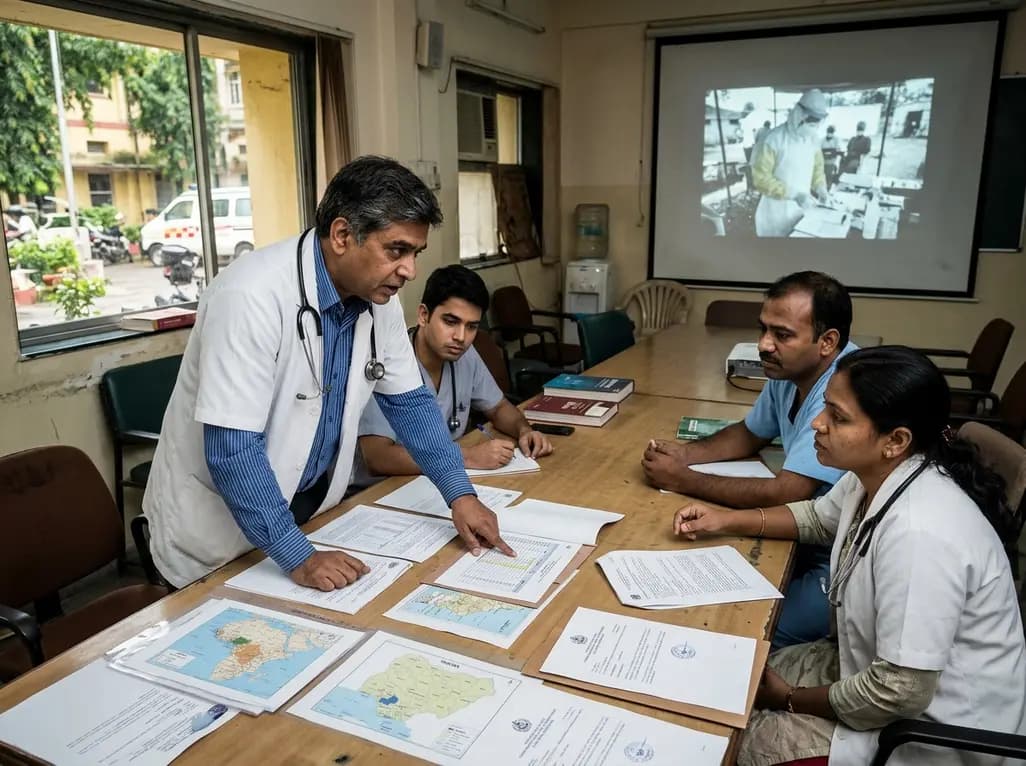
Following Nigeria's first recorded Ebola case linked to regional travel, the Africa CDC has convened an emergency ministerial summit. This alert underscores critical clinical priorities for healthcare professionals, including differentiating early viral infection from malaria, implementing barrier nursing, and triage.
Today

Leucine Rich Bio has introduced South Asia's first comprehensive vaginal microbiome test, BugSpeaks. By profiling microbial dysbiosis, pathogens, and antimicrobial resistance, this next-generation diagnostic platform provides clinicians with deeper insights into recurrent infections, fertility, and reproductive health.
Today

Review how tailored exercise programs benefit frail older patients with heart failure. Explore pathophysiological mechanisms, individualized training prescriptions, and strategies to overcome adherence barriers in clinical practice.
Today

This comparative study evaluates posterior labral tears with and without glenohumeral instability, highlighting distinct demographic patterns, MRI underestimation in stable shoulders, and successful arthroscopic repair outcomes.
Today

A clinical study demonstrates that early intervention with tocilizumab, either as monotherapy or bridged with corticosteroids, achieves significant proptosis reduction and resolves active inflammation in treatment-naive thyroid eye disease.
Today
