.webp&w=384&q=75)

Loading, please wait...
Loading, please wait...

Staphylococcus aureus colonization remains a significant global health threat, particularly with the rise of antimicrobial resistance in hospital and community settings. A recent breakthrough identifies that Geranylgeranoic acid MRSA activity could transform current decolonization strategies. This naturally occurring polyunsaturated, branched-chain fatty acid targets methicillin-resistant S. aureus (MRSA) through a unique dual mechanism that addresses both survival and virulence.
Researchers have found that geranylgeranoic acid (GGA) operates differently based on its concentration. At elevated doses, it acts as a microbicidal agent, directly killing the bacteria. Conversely, sub-microbicidal doses effectively prevent MRSA from adhering to host proteins. This inhibition covers critical host targets such as keratin, fibronectin, and fibrinogen, which are essential for colonization. Consequently, GGA offers a multifaceted approach to clearing reservoirs of infection.
The primary mechanism behind this anti-adhesive effect involves the transcriptional modulation of cell wall-anchored (CWA) proteins. Specifically, GGA inhibits the SaeRS two-component system, a major regulator of staphylococcal virulence. This inhibition leads to the down-regulation of various virulence determinants, including fibronectin-binding proteins. Furthermore, experimental evidence suggests that GGA targets additional transcriptional regulators beyond SaeRS. Therefore, the compound provides a broad-spectrum impact on the pathogen\'s ability to establish an infection.
The efficacy of GGA was demonstrated against a diverse panel of multidrug-resistant clinical isolates. In mouse models, the compound showed significant effectiveness against MRSA skin and soft tissue infections. Furthermore, its ability to interfere with adhesion to keratinized skin makes it an ideal candidate for nasal decolonization. These findings suggest a promising new avenue for combating challenging staphylococcal pathogens in modern clinical practice.
Geranylgeranoic acid is a naturally occurring polyunsaturated, branched-chain fatty acid that has recently shown significant dual-action antimicrobial and anti-adhesive properties against MRSA.
GGA inhibits the SaeRS two-component system, which down-regulates the production of cell wall-anchored proteins. These proteins are necessary for the bacteria to stick to host tissues like keratin and fibronectin.
Yes, because it prevents MRSA from adhering to skin and nasal surfaces, researchers believe it has high potential for use in new decolonization strategies to prevent subsequent infections.
Disclaimer: This content is for informational and educational purposes only and does not constitute medical advice or a professional relationship. Always seek the advice of a physician or other qualified health provider with any questions regarding a medical condition. Refer to the latest local and national guidelines for clinical practice.
References

Read summarized clinical updates, watch expert medical content, and earn CME certifications right from your smartphone.
Open your smartphone camera to scan and install.





Geranylgeranoic acid (GGA) shows dual microbicidal and anti-adhesive activity against MRSA by modulating cell wall-anchored proteins and the SaeRS system....
6 months ago
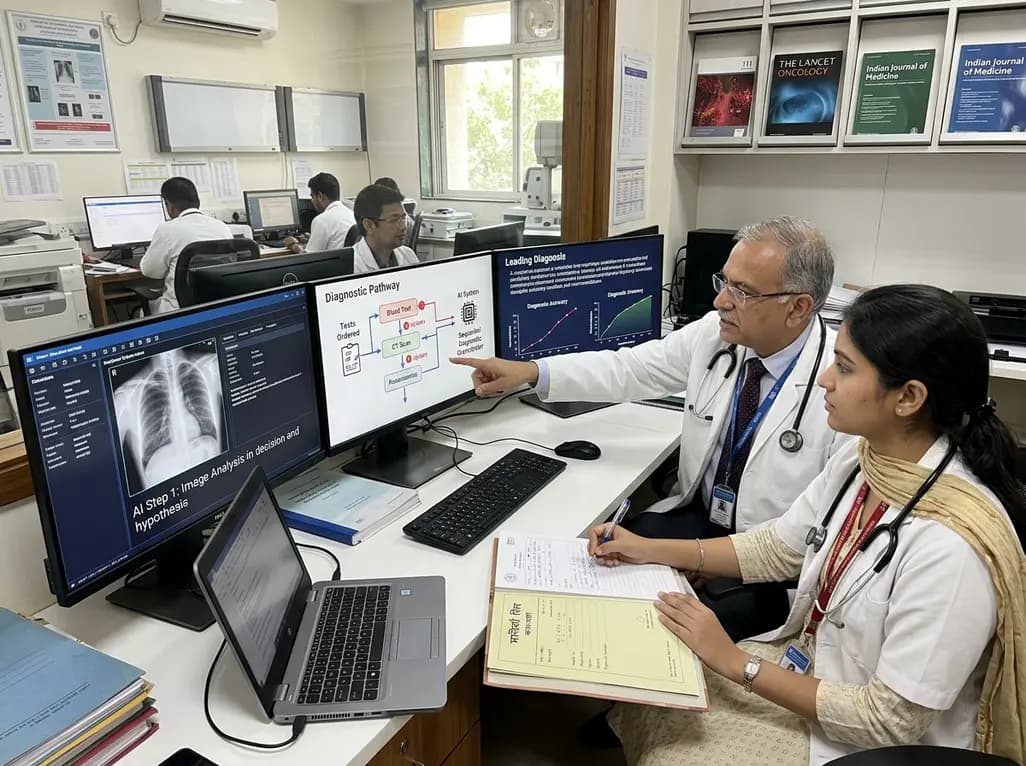
A breakthrough peer-reviewed study demonstrates that a sequential AI diagnosis system can mirror real-world clinical reasoning. By ordering stepwise tests and updating hypotheses dynamically, this multi-agent orchestrator achieved superior diagnostic accuracy while reducing investigative costs.
Today

A prenatal case highlights severe glutaric acidemia type II presenting as bilateral hyperechoic cystic kidneys at 18 weeks. Whole-exome sequencing revealed a novel homozygous ETFDH frameshift variant, demonstrating the power of rapid genetic testing in fetal renal anomalies.
Today

Review how tailored exercise programs benefit frail older patients with heart failure. Explore pathophysiological mechanisms, individualized training prescriptions, and strategies to overcome adherence barriers in clinical practice.
Yesterday

This comparative study evaluates posterior labral tears with and without glenohumeral instability, highlighting distinct demographic patterns, MRI underestimation in stable shoulders, and successful arthroscopic repair outcomes.
Yesterday

A clinical study demonstrates that early intervention with tocilizumab, either as monotherapy or bridged with corticosteroids, achieves significant proptosis reduction and resolves active inflammation in treatment-naive thyroid eye disease.
Yesterday
