.webp&w=384&q=75)

Loading, please wait...
Loading, please wait...

Thermal processing of food drives the complex Maillard reaction, which produces various molecules that define flavor and aroma. However, this process also generates hazardous byproducts. Scientific interest in furanic compounds toxicity has grown significantly as researchers identify these chemicals in many common dietary sources. Understanding how these compounds interact with eukaryotic cells is essential for assessing their long-term health implications.
Recent research using budding yeast models has provided significant insights into the uptake and efflux of these toxicants. Scientists focused on three primary molecules: 5-hydroxymethylfurfural (HMF), furfural (FUR), and 2-Furyl methyl ketone (FMK). The study revealed that HMF likely acts as a substrate for the Pdr5 multidrug resistance pump. This discovery suggests that cells actively employ efflux mechanisms to mitigate furanic compounds toxicity by removing harmful substances from the intracellular environment. Furthermore, the levels of surface nutrient transporters directly influence the susceptibility of cells to HMF and FUR.
Live cell imaging techniques have demonstrated that these related molecules target different cellular components. Specifically, HMF disrupts mitochondrial function, which can lead to metabolic failure and oxidative stress. In contrast, FUR primarily affects the endolysosomal system. These distinct pathways indicate that the furan ring structure alone does not determine toxicity. Instead, the specific functional groups of each molecule dictate their physiological impact. Consequently, different furanic compounds may require unique detoxification strategies within the body.
Many cellular components and transport systems are evolutionarily conserved between yeast and humans. Therefore, these findings help clarify how human cells might metabolize toxicants found in processed food. As coffee, honey, and baked goods often contain high levels of these products, understanding their metabolism is crucial for preventive medicine. Researchers continue to explore how chronic exposure to these compounds influences overall health and disease progression. Additionally, these studies may assist in developing better food processing techniques to minimize the formation of hazardous Maillard reaction products.
These compounds typically form in thermally processed foods like roasted coffee, baked bread, honey, and dried fruits through the Maillard reaction.
Different compounds target different organelles; for instance, HMF can disrupt mitochondrial integrity while FUR affects the endolysosomal system, both leading to cellular stress.
Budding yeast serves as an excellent genetic model because its basic cellular processes and nutrient transporters are highly similar to those found in human cells.
Disclaimer: This content is for informational and educational purposes only. It is not intended to provide any medical advice or be a substitute for professional medical advice, diagnosis, or treatment. Always seek the advice of your physician or other qualified health provider with any questions you may have regarding a medical condition. Refer to the latest local and national guidelines for clinical practice.
References

Read summarized clinical updates, watch expert medical content, and earn CME certifications right from your smartphone.
Open your smartphone camera to scan and install.





A study using yeast models reveals how furanic compounds from processed foods disrupt cellular functions like mitochondrial health and nutrient uptake....
6 months ago

Red blood cell transfusion is critical in sickle cell disease management but brings significant immunological complexity, including alloimmunisation and iron overload. Extended RBC phenotyping and tailored protocols optimize clinical safety.
Today
Discover the crucial distinctions between mesonephric and mesonephric-like proliferations of the female genital tract. Learn the key histomorphologic, immunohistochemical, and molecular differences essential for accurate diagnosis and clinical management.
Today
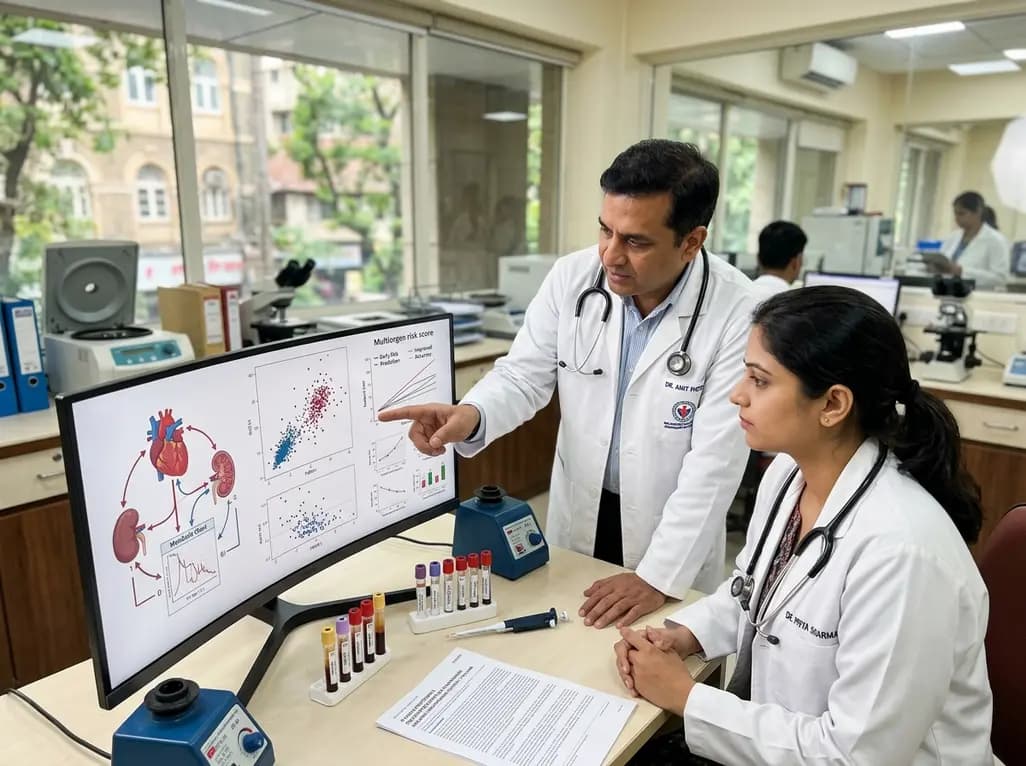
A large UK Biobank study reveals that plasma proteomic signatures capture preclinical organ damage and improve multiorgan risk prediction across early CKM syndrome stages 0 to 2 beyond traditional PREVENT clinical models.
Today
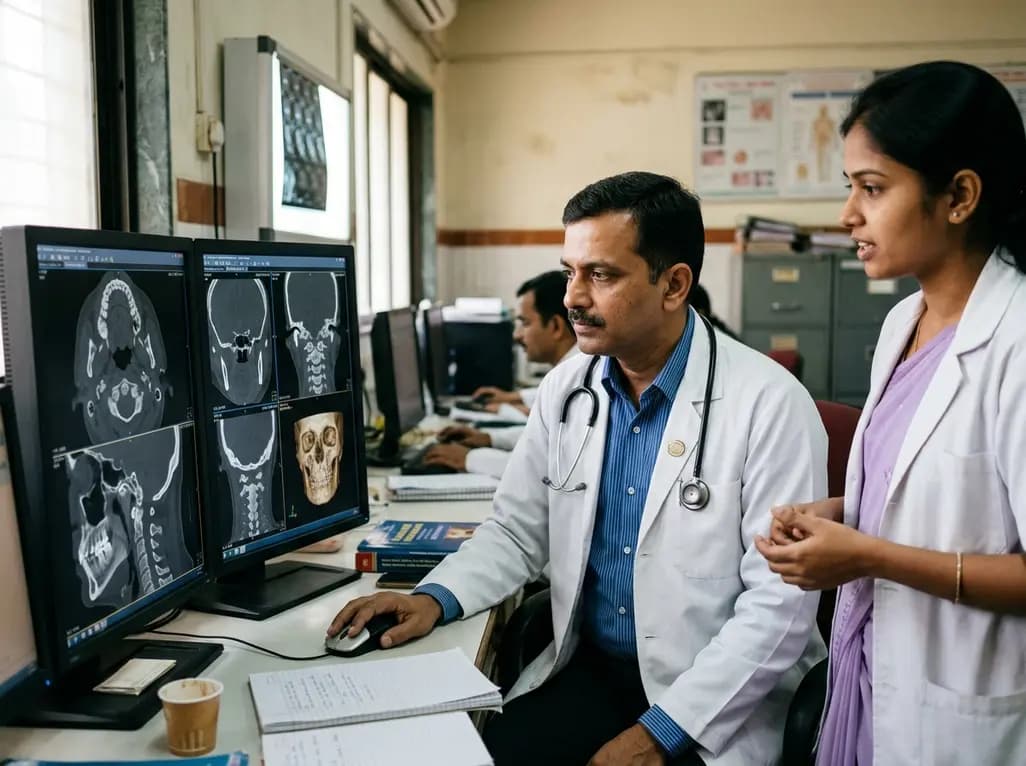
A retrospective CBCT study reveals that superior TMJ space asymmetry correlates moderately with occipital condyle-atlas-axis asymmetry in unilateral TMJ osteoarthritis, highlighting an imaging correlate between jaw biomechanics and upper cervical alignment rather than a standalone diagnostic marker.
Today

A Bayesian multilevel meta-analysis reveals that aerobic training combined with moderate carbohydrate restriction modestly lowers HbA1c in type 2 diabetes. However, sparse data and very low certainty leave incremental benefits over exercise or diet alone unproven, highlighting the need for individualized care.
Today
