.webp&w=384&q=75)

Loading, please wait...
Loading, please wait...

The Food Safety and Standards Authority of India (FSSAI) recently highlighted the need for improved plant-based food labeling. During the 4th Plant-Based Foods Summit, CEO Rajit Punhani encouraged manufacturers to adopt QR codes on their products. Since current labels are often too small, digital solutions offer a clearer way for consumers to access vital information. This move aims to modernize how nutritional data is shared with the public.
Traditional labels struggle to fit all necessary data within a limited space. Consequently, many consumers find it hard to read ingredient lists or nutritional values. Furthermore, the FSSAI believes that Gen Z consumers prefer digital verification methods. By scanning a code, they can instantly check if a product meets their daily requirements. Therefore, this voluntary shift aims to build trust within the rapidly growing plant-based sector.
The regulator faces pressures from both the food industry and medical professionals regarding dietary claims. While some promote plant-based diets, others remain skeptical about their overall health merits. Additionally, social media misinformation often complicates public messaging regarding proper nutrition. To address this, FSSAI has already introduced a dedicated vegan logo. This framework ensures that companies provide scientific backing for any health claims they make. Moreover, shared responsibility between regulators and industry is crucial for consumer safety.
India aims to become a global hub for sustainable food innovation in the coming years. However, this goal requires strict adherence to international safety standards. Punhani warned that safety lapses could damage India’s international reputation and disrupt global trade. Hence, the industry must prioritize truthful labeling and sustainability. Multi-sectoral partnerships and research investment are essential for driving meaningful change. Eventually, these standards will help India position itself as a leader in the sustainable food market.
Q1: Is the adoption of QR codes on plant-based products mandatory?
No, the FSSAI CEO stated that the regulator is currently encouraging voluntary adoption rather than making it a mandatory requirement for manufacturers.
Q2: Why does FSSAI recommend QR codes over traditional labels?
Existing labels are often too small to read or comprehend easily. QR codes allow consumers, especially younger generations, to scan and verify detailed ingredient lists and nutritional content effectively.
Q3: How does FSSAI address misinformation regarding plant-based diets?
FSSAI has introduced a dedicated vegan logo and a regulatory framework. This requires companies to ensure truthful labeling and provide scientific evidence for any health claims made on their products.
Disclaimer: This content is for informational and educational purposes only. It does not constitute medical advice or replace professional judgment. Refer to the latest local and national guidelines for clinical practice.
References

Read summarized clinical updates, watch expert medical content, and earn CME certifications right from your smartphone.
Open your smartphone camera to scan and install.





FSSAI CEO Rajit Punhani urges plant-based food firms to adopt QR codes for easier ingredient verification and to combat nutritional misinformation in India....
7 months ago

Explore vital recurrent stroke predictors in lacunar stroke patients managed with intensive blood pressure lowering. This analysis examines trial findings from SPS3 to uncover residual vascular risks, metabolic factors, and targeted secondary prevention strategies for high-risk neurological patients.
Today
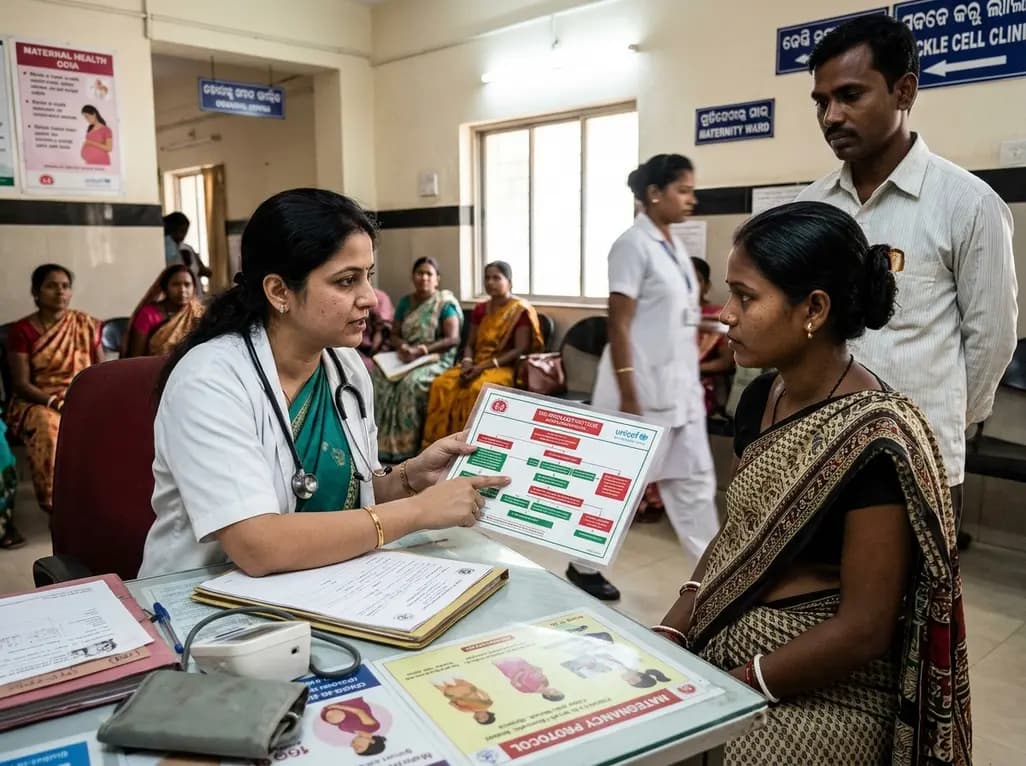
Odisha has established India's first state-level clinical protocol specifically tailored for pregnant women with sickle cell disease. Developed with NHM and UNICEF, the framework provides structured antenatal screening, crisis mitigation, standardized referral pathways, and specialized interdisciplinary care.
Today

India is advancing preventive healthcare by integrating genomics, artificial intelligence, and quantum technologies. With the SANGAM programme sequencing one million Indian genomes, clinicians can unlock personalized therapies, detect cardiometabolic risks early, and curb the burden of diabetes and heart disease.
Today
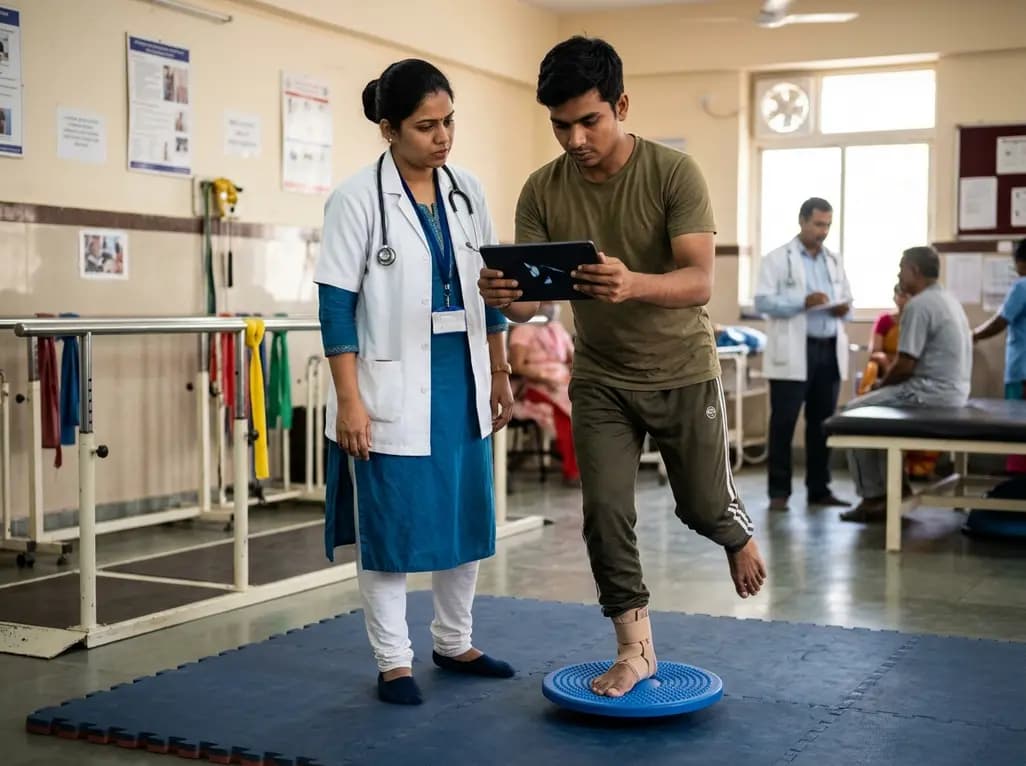
A randomized controlled trial demonstrates that an eight-week dual-task training intervention significantly improves static and dynamic postural control over standard balance exercises in individuals with chronic ankle instability, addressing critical neurocognitive deficits during athletic and daily activities.
Today

A retrospective cohort study of 7,716 ICU patients from the MIMIC-IV database demonstrates that Gradient Boosting Decision Trees significantly outperform traditional SOFA scores in predicting in-hospital mortality among patients with sepsis and diabetes, with SHAP analysis providing clinical interpretability.
Today
