.webp&w=384&q=75)

Loading, please wait...
Loading, please wait...

The FSSAI recently issued a critical advisory regarding the inclusion of Withania somnifera in dietary products. This directive clarifies that manufacturers must prioritize Ashwagandha root extracts and roots in health supplements and nutraceuticals. Furthermore, the FSSAI emphasizes compliance with the 2016 regulations to ensure consumer safety across India.
Only certain plant parts are safe for human consumption according to Schedule IV of the 2016 regulations. Specifically, the advisory permits only the roots and Ashwagandha root extracts for use in nutraceuticals and functional foods. However, these ingredients must still adhere to prescribed limits and quality standards. Consequently, manufacturers must verify their raw materials to meet these strict legal requirements.
Recent reports indicated that some manufacturers were using Ashwagandha leaves or leaf extracts in their products. Consequently, the FSSAI explicitly stated that the use of leaves in any form is currently not permitted. This decision aligns with previous directives from the Ministry of Ayush, which also limited product formulations to roots. Therefore, any product containing leaf-based ingredients is now considered non-compliant under the Food Safety and Standards Act of 2006.
Food Business Operators (FBOs) must ensure their products align with these updated guidelines immediately. Furthermore, licensing authorities and food safety officers are now under instructions to maintain strict vigilance. Any observed deviation from these standards will lead to legal action. As a result, businesses should review their formulations to avoid penalties and ensure public health safety.
Q1: Which parts of Ashwagandha are allowed in food products?
Only the roots and Ashwagandha root extracts are permitted under current FSSAI regulations for health supplements and nutraceuticals.
Q2: Why are Ashwagandha leaves prohibited?
The FSSAI and Ministry of Ayush have not authorized the use of leaves in food products, focusing on the historical and safety data associated with the roots.
Disclaimer: This content is for informational and educational purposes only. It does not constitute medical advice or replace professional judgment. Refer to the latest local and national guidelines for clinical practice.
References

Read summarized clinical updates, watch expert medical content, and earn CME certifications right from your smartphone.
Open your smartphone camera to scan and install.





FSSAI issues an advisory restricting Ashwagandha use in food products to roots and extracts only, prohibiting the use of leaves due to safety regulations....
5 months ago
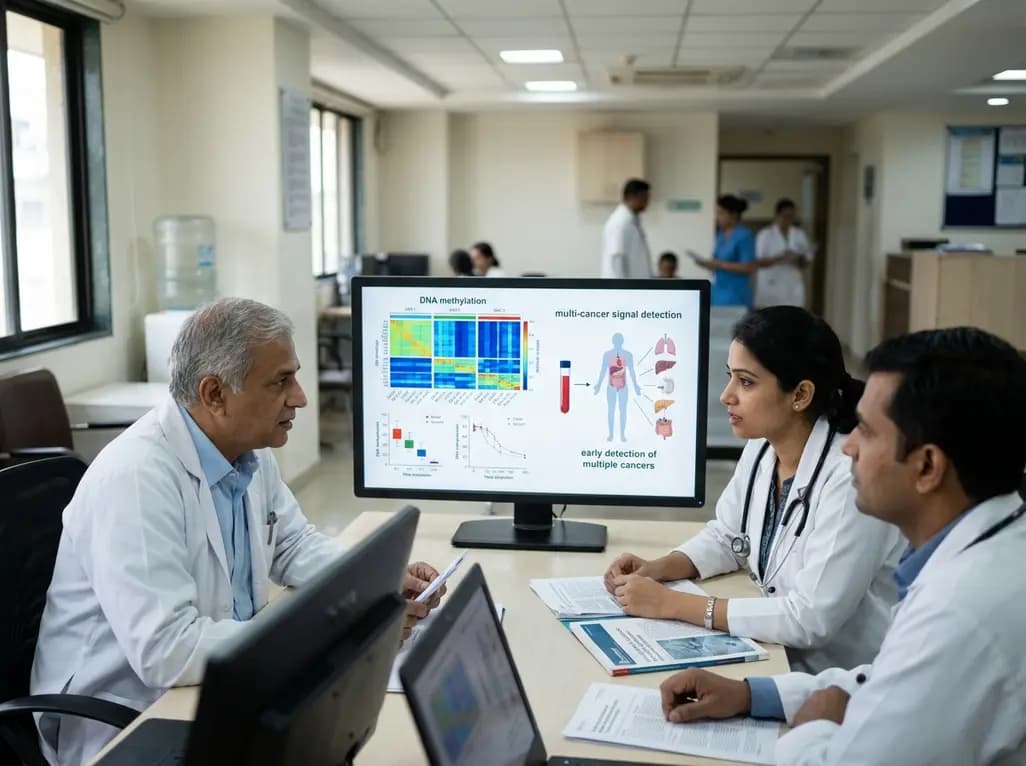
FDA staff reviewers have raised no major safety or analytical concerns regarding Grail's Galleri blood test ahead of an advisory panel meeting. This milestone advances liquid biopsy technologies designed to identify tumor methylation signals across dozens of malignancies before clinical symptoms emerge.
Today
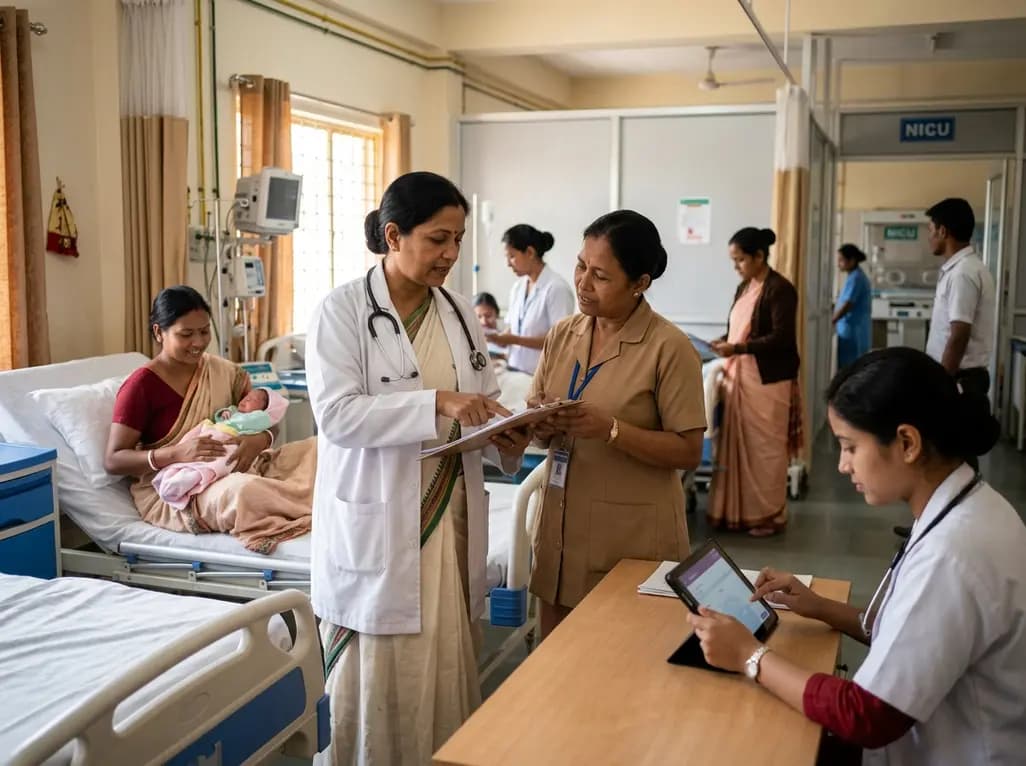
Meghalaya recorded a historic 55% reduction in maternal deaths, dropping from 244 to 107 over five years. Through the MOTHER app, dedicated transit homes, and expanded infrastructure like the 150-bed Tura Maternity Hospital with its first public NICU, the state demonstrates an effective public health model.
Today
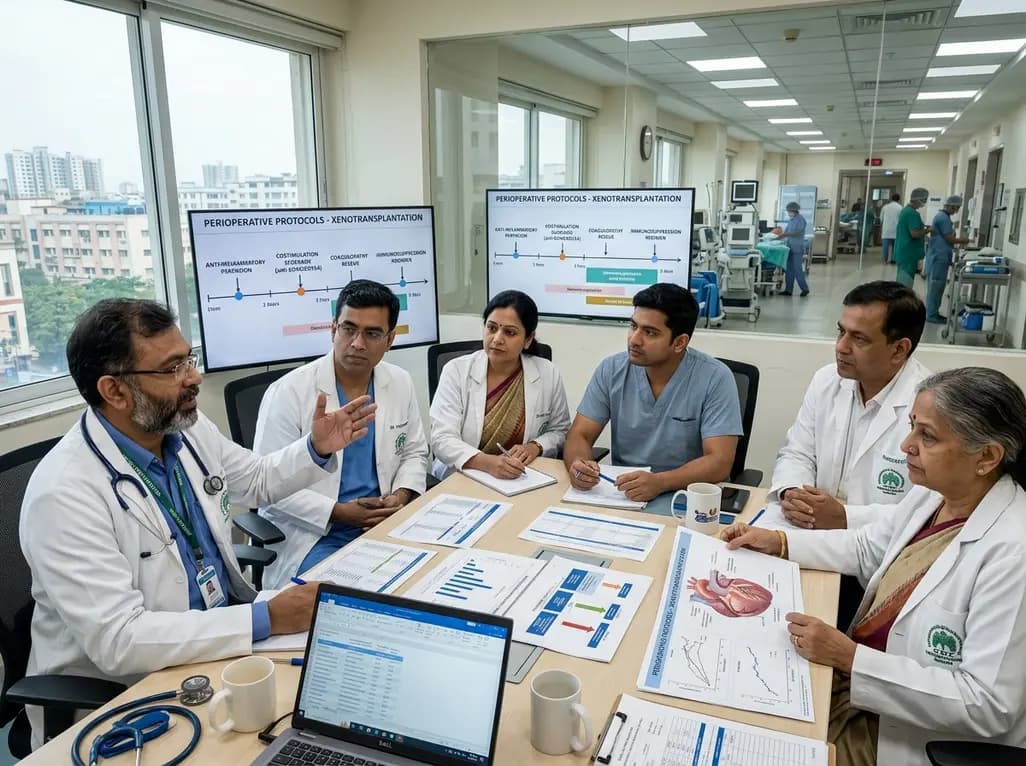
Explore modern perioperative management protocols for clinical xenotransplantation. Learn how costimulation blockade, anti-inflammatory perfusion, and coagulopathy rescue overcome interspecies hurdles.
Today
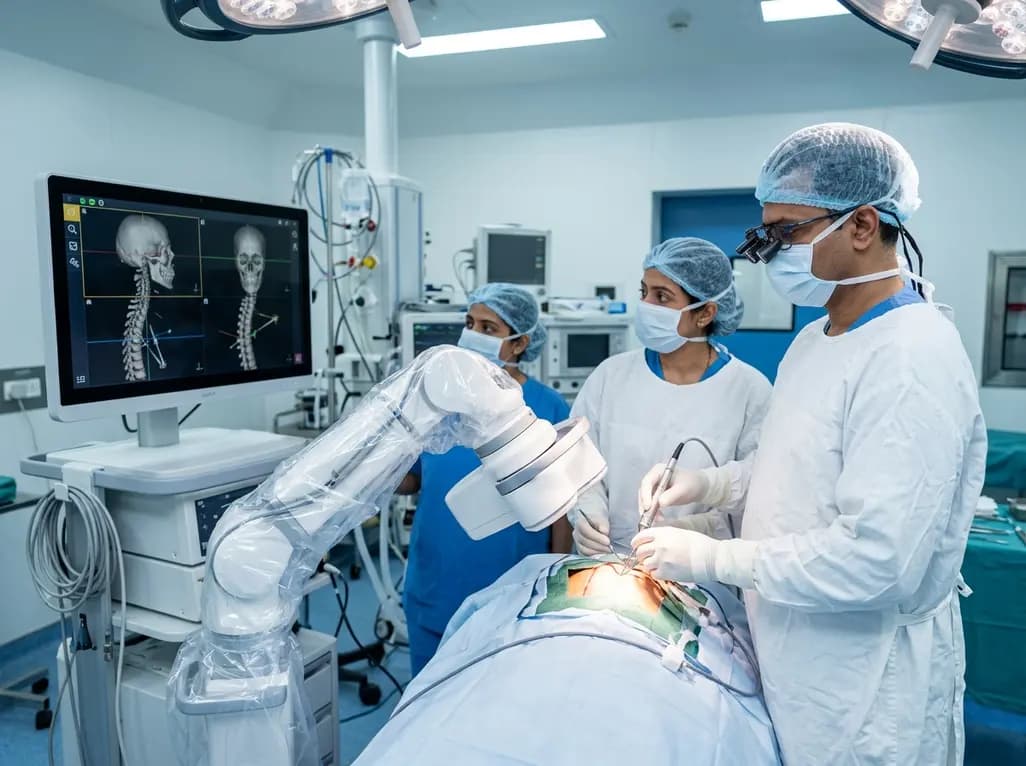
North India's first Centre of Excellence for Brain and Spine at Amrita Hospital Faridabad integrates Brainlab's Loop-X mobile robot. This landmark facility combines cone-beam computed tomography with surgical navigation to elevate precision, optimize operative workflows, and enhance specialized clinician training.
Today
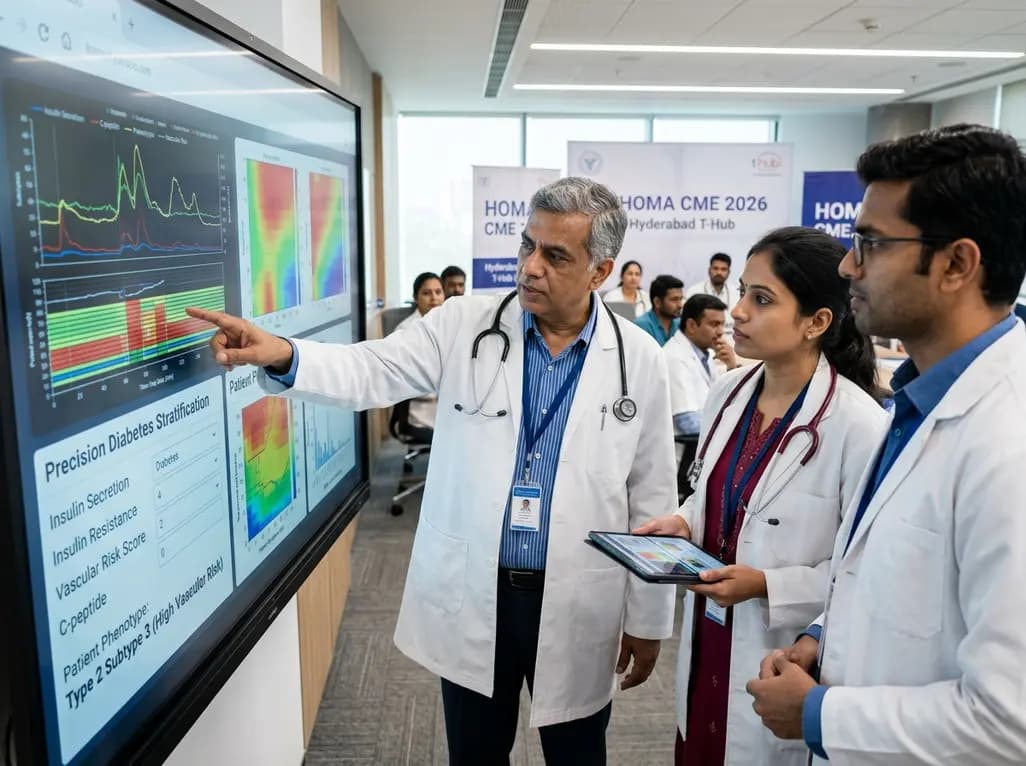
At Homa CME 2026 at Hyderabad's T-Hub, healthcare leaders emphasized moving beyond routine metrics through digital calculators and precision stratification. Discover why characterizing individual insulin secretion, resistance patterns, and vascular risks transforms chronic metabolic care in India.
Today
