.webp&w=384&q=75)

Loading, please wait...
Loading, please wait...

Q1: Which items are typically restricted under the new SNAP waivers?
The waivers primarily restrict the purchase of sugary soft drinks, energy drinks, and various types of candy using SNAP benefits.
Q2: Why are patients with diabetes concerned about these restrictions?
Patients with diabetes may rely on specific sugary items for quick energy boosts or to manage hypoglycemia during daily activities.
Q3: What is the primary goal of the "Make America Healthy Again" movement?
The movement focuses on improving national health by revising dietary guidelines and reducing the consumption of ultra-processed foods.
Disclaimer: This content is for informational and educational purposes only. It does not constitute medical advice or replace professional judgment. Refer to the latest local and national guidelines for clinical practice.
References

Read summarized clinical updates, watch expert medical content, and earn CME certifications right from your smartphone.
Open your smartphone camera to scan and install.





Food stamp recipients sue the USDA over restrictions on sugary drinks and candy, citing negative impacts on managing diabetes and specific eating disorders....
7 months ago

Failing to account for competing events like mortality in longitudinal geriatric studies produces biased risk estimates and misleading inferences. This review highlights key methodological principles, insights from the Precipitating Events Project, and practical approaches for clinical research appraisal.
Today

A study in JAMIA Open shows lightweight open-source reasoning LLMs achieve up to 95% sensitivity and accelerate evidence synthesis screening by nearly twentyfold, presenting a cost-effective, scalable AI solution for biomedical research and systematic reviews.
Today
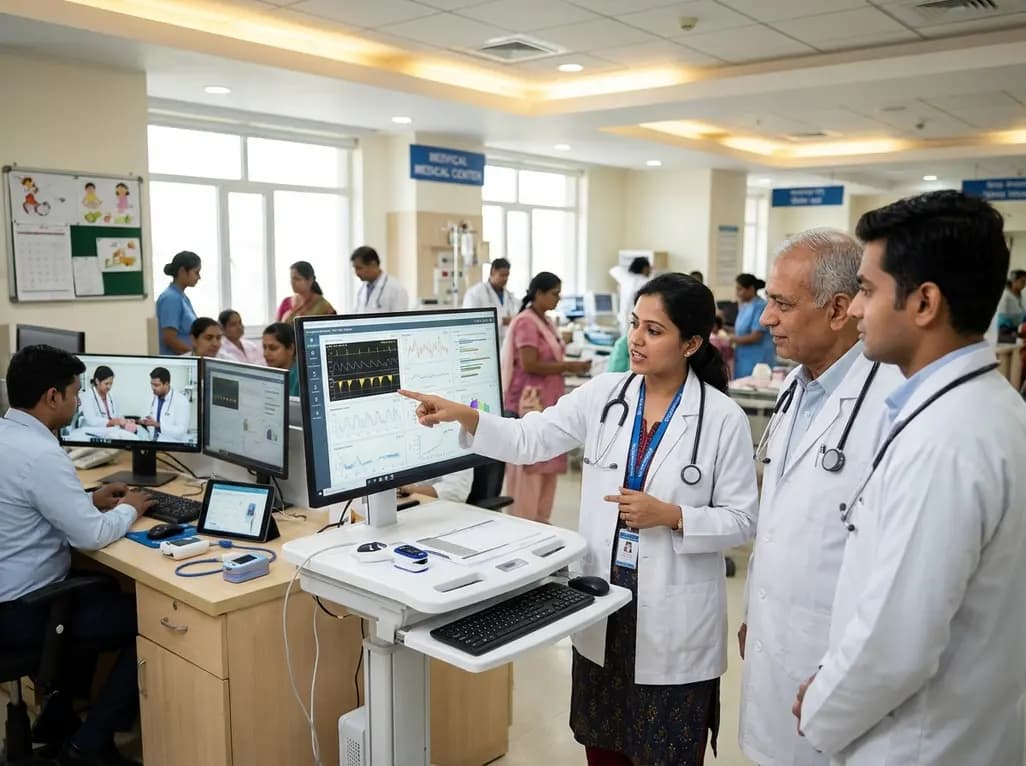
A landmark study details how an enterprise pediatric remote patient management model expanded from a single cardiology pilot to 16 diverse specialty programs by combining centralized digital operations with specialty clinical leadership.
Today
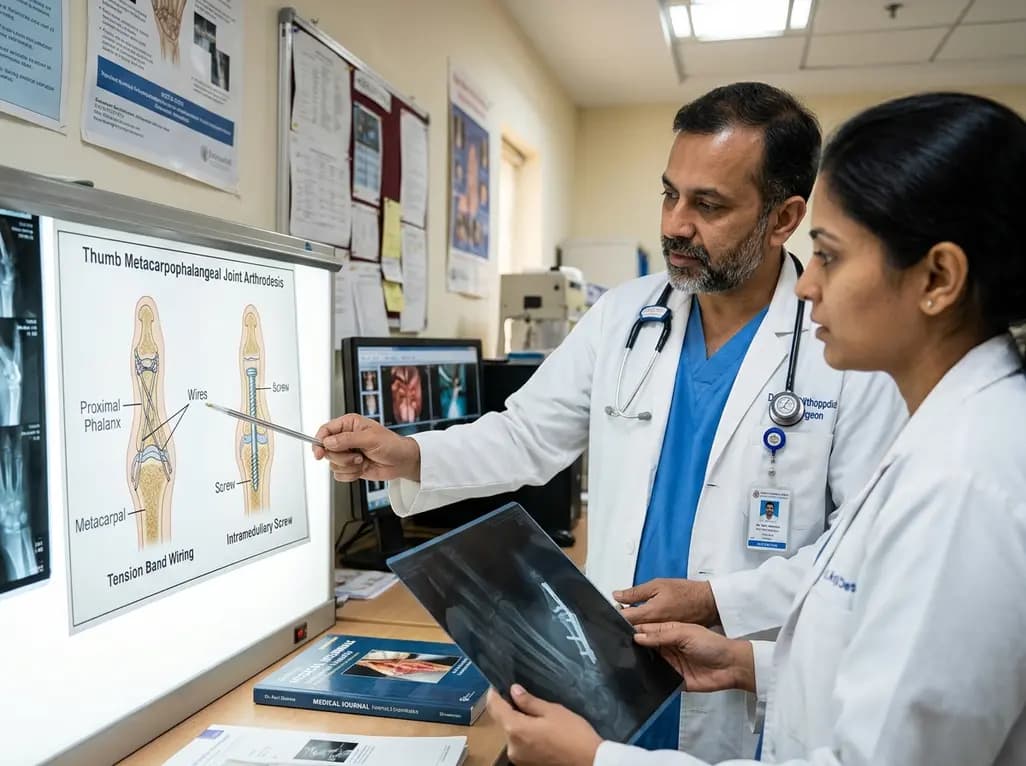
A comparative review of tension band wiring and intramedullary screw fixation in thumb metacarpophalangeal arthrodesis, evaluating union rates, hardware complications, and clinical outcomes.
Yesterday

A breakthrough ultrathin multimodal sensor decouples physical hemodynamic monitoring from disposable electrochemical calibration, achieving long-term wearable glucose prediction with 81.36% accuracy and a 9.12% MARD. This offers a robust, drift-free solution for outpatient metabolic surveillance.
Today
