.webp&w=384&q=75)

Loading, please wait...
Loading, please wait...

Exosome-based cancer vaccines are currently transforming the landscape of modern oncology. These tiny, cell-derived vesicles naturally facilitate communication between cells by carrying various proteins and nucleic acids. However, native exosomes often lack the precision required for effective tumor targeting. Consequently, researchers are turning to advanced engineering to enhance their therapeutic potential. This transition is essential for overcoming the biological bottlenecks that currently limit the efficacy of natural vesicles.
Traditional immunotherapy often faces significant hurdles like low immunogenicity and poor antigen loading. Specifically, natural exosomes may not trigger a strong enough immune response on their own. Therefore, transforming them into programmable therapeutic platforms is vital for clinical success. Engineering allows scientists to load specific antigens and functionalize membranes. This ensures the vaccine reaches its intended target while maintaining high potency.
Scientists employ several strategies to refine exosome-based cancer vaccines. Physical loading techniques, such as electroporation and sonication, allow for high-capacity antigen delivery directly into the vesicle. Furthermore, genetic modification of donor cells can produce exosomes that already contain therapeutic payloads. Additionally, membrane functionalization helps these vesicles evade the immune system until they reach the tumor site. These strategies establish a coherent framework to solve inherent biological limitations.
Personalized medicine also benefits from these advancements in a significant way. For instance, neoantigen vaccines use a patient’s unique tumor profile to create a custom treatment plan. This approach minimizes potential side effects and maximizes the specific antitumor response. Although challenges like scalability and manufacturing standardization remain, the future of these engineered vaccines appears promising. Ongoing research continues to bridge the gap between laboratory engineering and clinical application.
Engineering allows for precise targeting and higher antigen loading compared to native forms. These modifications ensure that the vaccine specifically activates the immune system against cancer cells without harming healthy tissue.
Scaling up the manufacturing process and ensuring consistency across different batches remain significant hurdles. Standardizing isolation and characterization methods is also essential for obtaining regulatory approval for clinical use.
Disclaimer: This content is for informational and educational purposes only. It does not constitute medical advice or a substitute for professional healthcare. Refer to the latest local and national guidelines for clinical practice.
References
Zhou H et al. Exosome-based vaccines in cancer immunotherapy: antitumor mechanisms, engineering strategies, and challenges. J Cancer Res Clin Oncol. 2026 Mar 17. doi: undefined. PMID: 41843206.
Zhang X et al. Strategies, Challenges and Application Prospects for Exosome Engineering Modifications in Tumor Targeted Therapeutics. Dovepress. 2026 Jan 30.
Soudi T et al. Exosome-based strategies and immunotherapy for skin cancer: mechanisms, challenges, and future directions. ResearchGate. 2026 Feb 07.

Read summarized clinical updates, watch expert medical content, and earn CME certifications right from your smartphone.
Open your smartphone camera to scan and install.





Discover how engineering transforms exosomes into active, programmable platforms for cancer immunotherapy, addressing targeting and immunogenicity challenge...
7 months ago
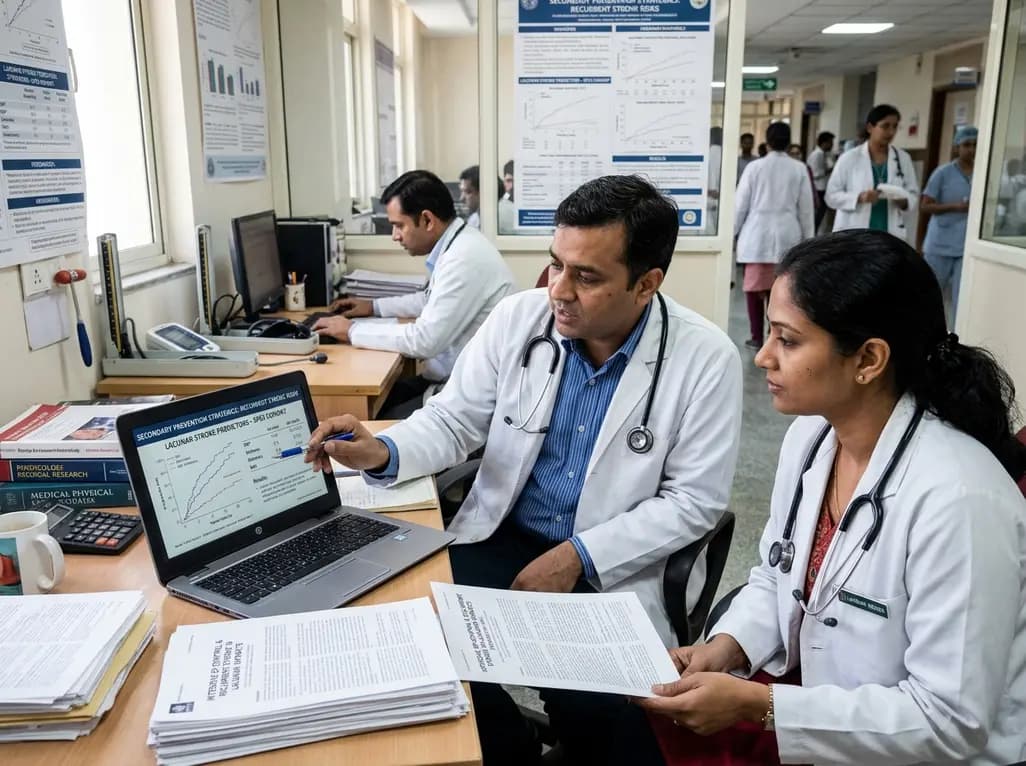
Explore vital recurrent stroke predictors in lacunar stroke patients managed with intensive blood pressure lowering. This analysis examines trial findings from SPS3 to uncover residual vascular risks, metabolic factors, and targeted secondary prevention strategies for high-risk neurological patients.
Today

Odisha has established India's first state-level clinical protocol specifically tailored for pregnant women with sickle cell disease. Developed with NHM and UNICEF, the framework provides structured antenatal screening, crisis mitigation, standardized referral pathways, and specialized interdisciplinary care.
Today

The Directorate General of Health Services directs Indian states to halt the hazardous reuse and reprocessing of single-use medical devices. Discover regulatory implications under the Drugs and Cosmetics Act, critical infection risks, legal liabilities, and operational changes required across clinical specialties.
Today

Mitochondria-targeted nanoparticles self-assembled from EGCG and L-glutamic acid effectively restore mitochondrial homeostasis, suppress synovial inflammation, and attenuate chondrocyte senescence in osteoarthritis, offering a promising disease-modifying nanotherapy.
Today

India is advancing preventive healthcare by integrating genomics, artificial intelligence, and quantum technologies. With the SANGAM programme sequencing one million Indian genomes, clinicians can unlock personalized therapies, detect cardiometabolic risks early, and curb the burden of diabetes and heart disease.
Today
