.webp&w=384&q=75)

Loading, please wait...
Loading, please wait...

Understanding the link between fertility preferences and gender equality is crucial for global health practitioners. Recently, a comprehensive study investigated how attitudes toward gender roles influence the ideal number of children among women aged 15-24. The research focused on five Sub-Saharan African countries: Ethiopia, Malawi, Mali, Nigeria, and Zambia. Consequently, the findings provide significant insights into the demographic transitions occurring in high-fertility regions.
Researchers analyzed data from Demographic and Health Surveys spanning 15 years. They specifically examined the association between the tolerance of wife beating and desired family size. Notably, women who endorsed traditional or inequitable gender roles often maintained higher fertility preferences. In contrast, those with more egalitarian views began to move away from established pronatalist norms. Therefore, shifting social attitudes serve as a primary indicator of future fertility trends.
The study highlights that national education levels play a vital moderating role. Specifically, when the national average for women's education exceeds 4.5 years, the gap between traditional and egalitarian groups widens. Higher education fosters both personal autonomy and a shift in family planning ideals. Furthermore, as egalitarian attitudes spread, the desire for smaller families becomes more prevalent. Consequently, investing in female education remains a cornerstone for achieving sustainable population growth and improving maternal health outcomes.
Education empowers women with knowledge and autonomy, leading to a shift from traditional pronatalist norms to a preference for smaller families. Additionally, it increases the adoption of effective contraceptive methods.
Studies show that tolerance of wife beating is often linked to higher desired fertility. Conversely, rejecting such violence is associated with more egalitarian gender attitudes and a lower ideal number of children.
Disclaimer: This content is for informational and educational purposes only. It does not constitute professional medical advice, diagnosis, or treatment. Always seek the advice of your physician or other qualified healthcare provider with any questions you may have regarding a medical condition. Refer to the latest local and national guidelines for clinical practice.
References

Read summarized clinical updates, watch expert medical content, and earn CME certifications right from your smartphone.
Open your smartphone camera to scan and install.





A study across five African nations reveals that higher education and egalitarian gender attitudes are key drivers in reducing desired family size....
7 months ago
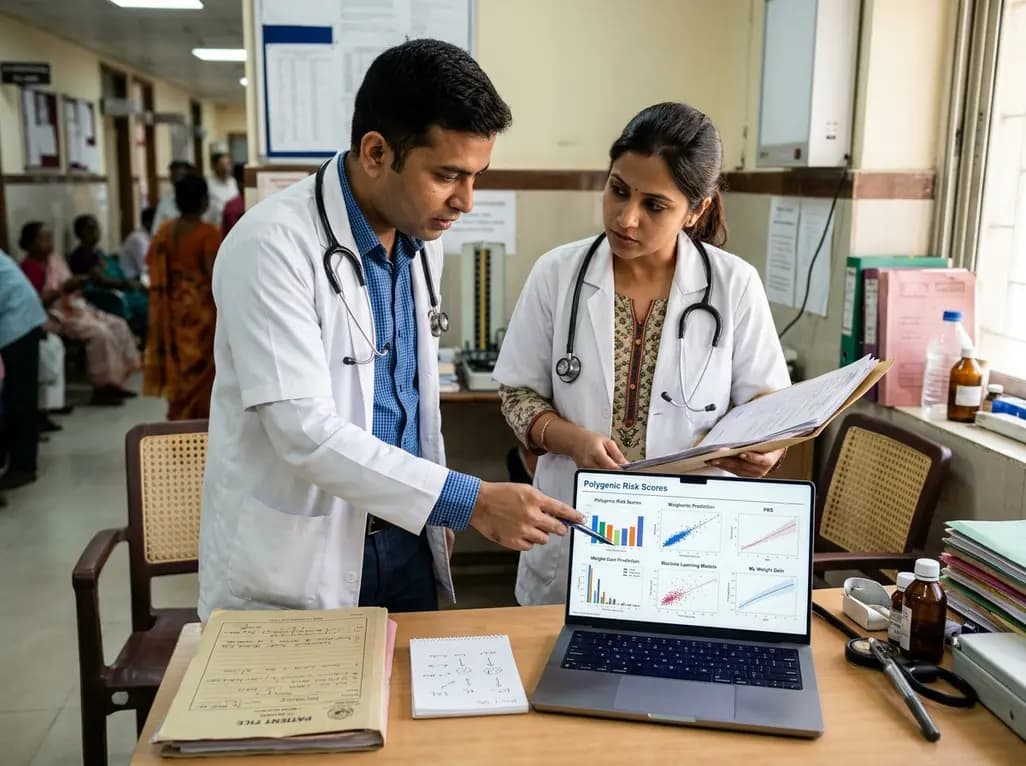
An observational study from the NIH All of Us Research Program reveals that adding a multi-ancestry polygenic risk score to machine learning models provides only modest improvements in predicting adult weight gain, underscoring the enduring significance of routine clinical and lifestyle factors.
Today
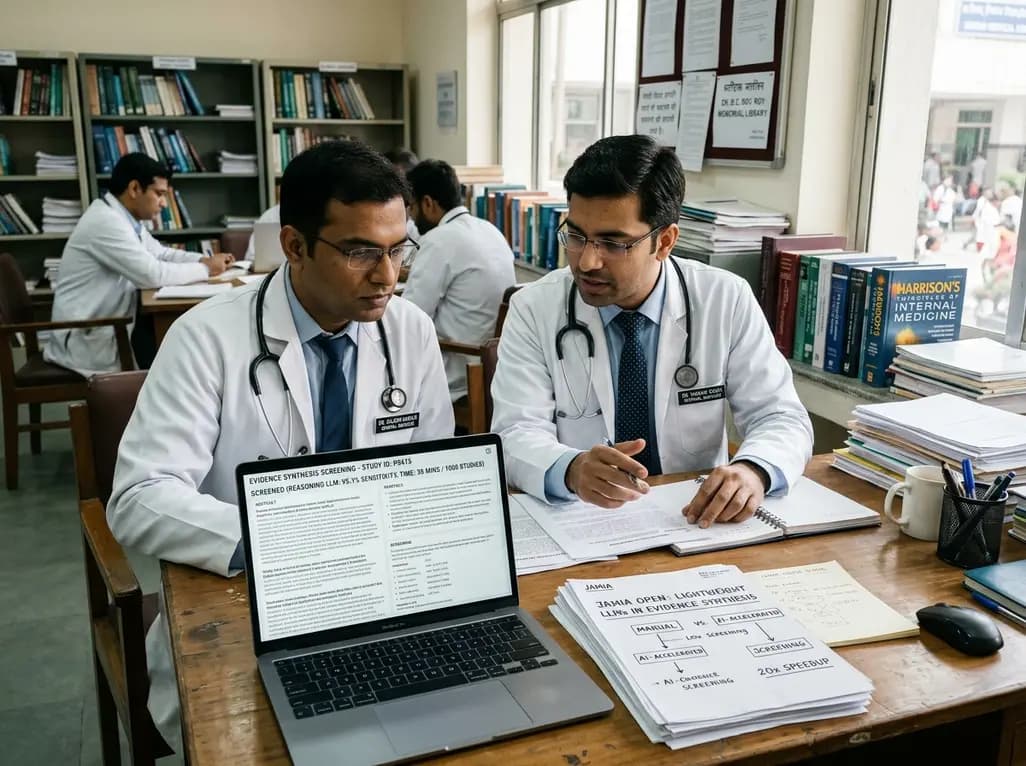
A study in JAMIA Open shows lightweight open-source reasoning LLMs achieve up to 95% sensitivity and accelerate evidence synthesis screening by nearly twentyfold, presenting a cost-effective, scalable AI solution for biomedical research and systematic reviews.
Today
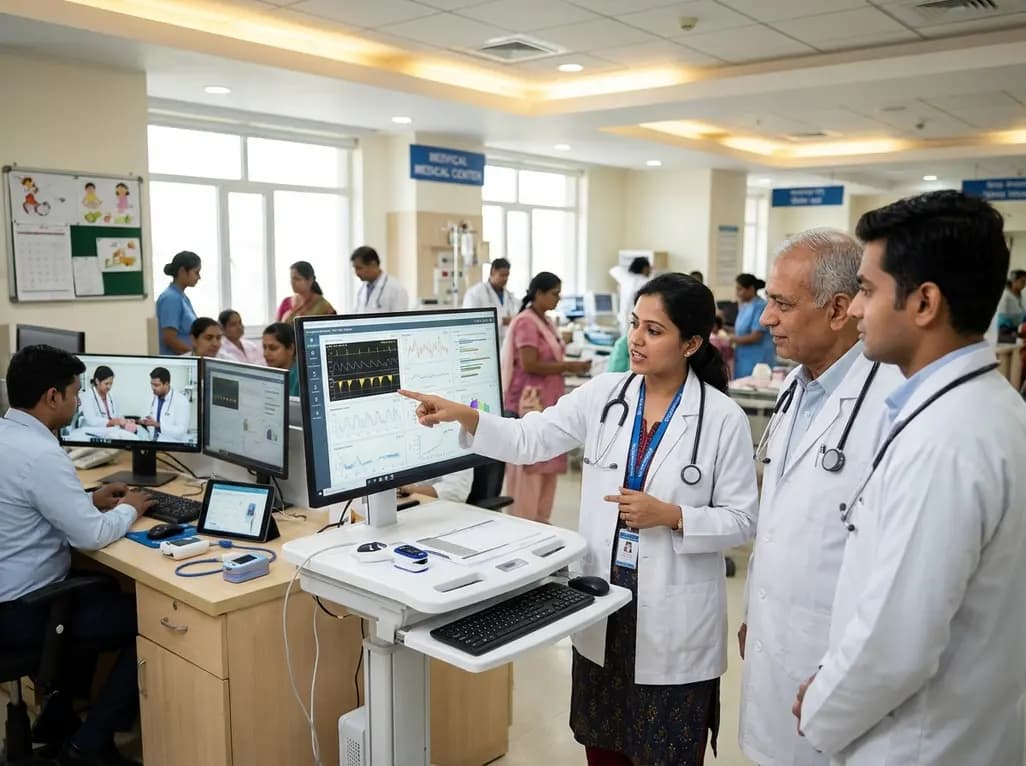
A landmark study details how an enterprise pediatric remote patient management model expanded from a single cardiology pilot to 16 diverse specialty programs by combining centralized digital operations with specialty clinical leadership.
Today

A comparative review of tension band wiring and intramedullary screw fixation in thumb metacarpophalangeal arthrodesis, evaluating union rates, hardware complications, and clinical outcomes.
Yesterday
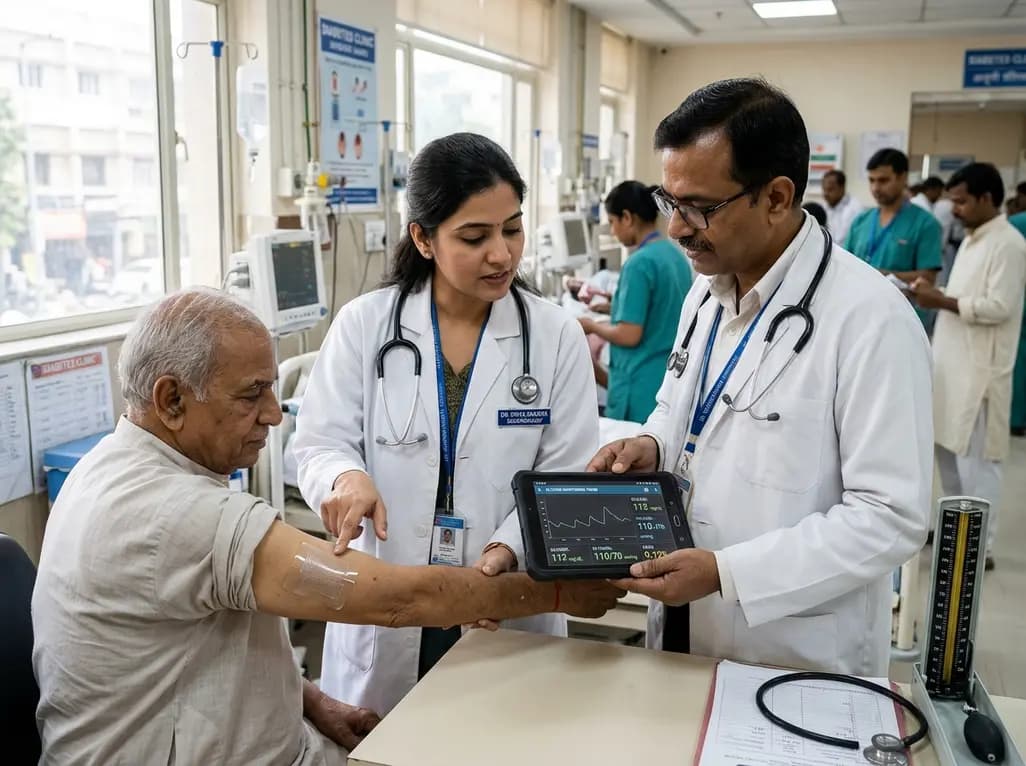
A breakthrough ultrathin multimodal sensor decouples physical hemodynamic monitoring from disposable electrochemical calibration, achieving long-term wearable glucose prediction with 81.36% accuracy and a 9.12% MARD. This offers a robust, drift-free solution for outpatient metabolic surveillance.
Yesterday
