.webp&w=384&q=75)

Loading, please wait...
Loading, please wait...

Ethylene oxide sterilization is a vital process for the medical device industry, but its regulation remains controversial. Recently, the U.S. Environmental Protection Agency (EPA) proposed relaxing strict limits introduced in 2024. This move aims to prevent potential shortages of critical life-saving equipment like heart stents and pacemakers. Because of the global nature of device manufacturing, these regulatory shifts can impact healthcare providers worldwide.
Ethylene oxide (EtO) is a colorless gas used to clean roughly half of all medical devices in the United States. Because of its effectiveness, many manufacturers rely on it for heat-sensitive tools. Consequently, the EPA argues that overly stringent monitoring requirements could hamper production and jeopardize the nation's supply chain. The new proposal would allow companies more flexibility in how they monitor emissions. Specifically, facilities can choose between new monitoring systems or adjusting aeration room vents to comply with standards.
The proposal has sparked debate among environmental advocates and industry leaders. While industry officials welcome the $43 million in annual savings, others highlight the health risks. Furthermore, long-term exposure to EtO is linked to cancers like leukemia and non-Hodgkin lymphoma. However, the EPA maintains that the updated rule will follow current laws while reflecting the complexity of modern facilities. Residents near sterilization plants remain concerned about toxic emissions. Therefore, the agency will hold a public hearing in 15 days to gather more feedback from the community.
Q1: Why is ethylene oxide used for medical device sterilization?
Ethylene oxide is highly effective at killing microorganisms on devices that cannot withstand heat or moisture. This includes complex items like cardiac stents, pacemakers, and specialized surgical gowns.
Q2: What are the health risks associated with EtO emissions?
Chronic inhalation of ethylene oxide is a known cancer risk. Long-term exposure has been specifically linked to an increased risk of white blood cell cancers and breast cancer.
Disclaimer: This content is for informational and educational purposes only. It does not constitute medical advice or replace professional judgment. Refer to the latest local and national guidelines for clinical practice.
References

Read summarized clinical updates, watch expert medical content, and earn CME certifications right from your smartphone.
Open your smartphone camera to scan and install.





The US EPA proposes relaxing ethylene oxide sterilization rules to prevent medical device shortages and save industry costs, amid ongoing cancer risk concer...
7 months ago
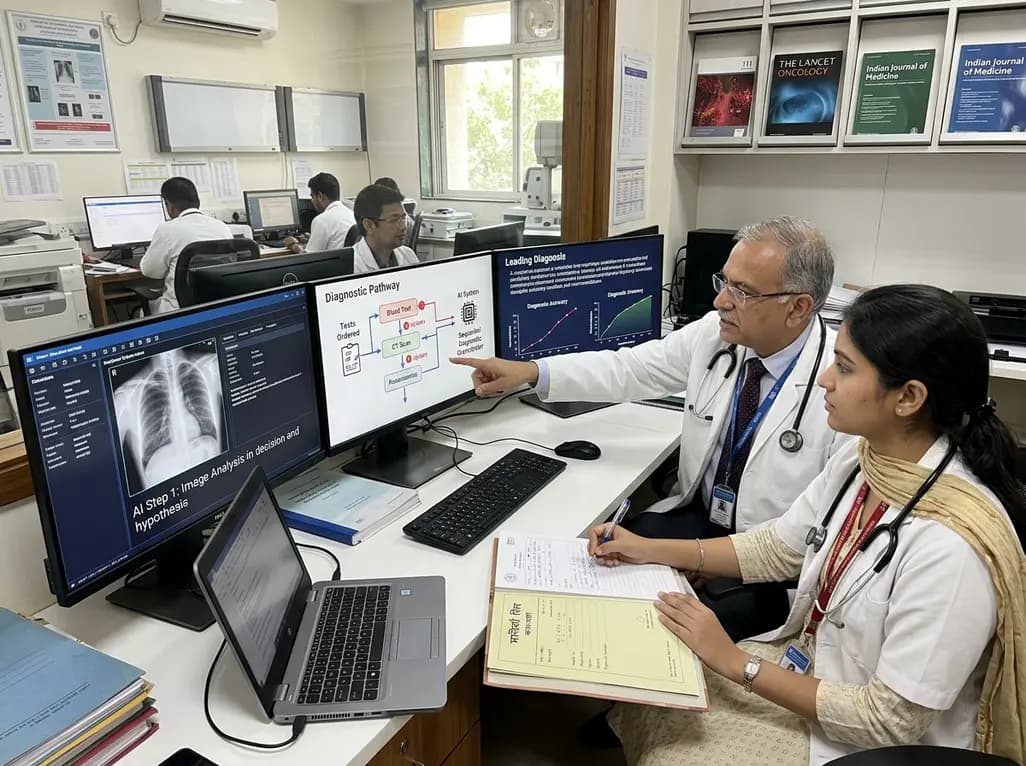
A breakthrough peer-reviewed study demonstrates that a sequential AI diagnosis system can mirror real-world clinical reasoning. By ordering stepwise tests and updating hypotheses dynamically, this multi-agent orchestrator achieved superior diagnostic accuracy while reducing investigative costs.
Today

A prenatal case highlights severe glutaric acidemia type II presenting as bilateral hyperechoic cystic kidneys at 18 weeks. Whole-exome sequencing revealed a novel homozygous ETFDH frameshift variant, demonstrating the power of rapid genetic testing in fetal renal anomalies.
Today

Review how tailored exercise programs benefit frail older patients with heart failure. Explore pathophysiological mechanisms, individualized training prescriptions, and strategies to overcome adherence barriers in clinical practice.
Yesterday

This comparative study evaluates posterior labral tears with and without glenohumeral instability, highlighting distinct demographic patterns, MRI underestimation in stable shoulders, and successful arthroscopic repair outcomes.
Yesterday

A clinical study demonstrates that early intervention with tocilizumab, either as monotherapy or bridged with corticosteroids, achieves significant proptosis reduction and resolves active inflammation in treatment-naive thyroid eye disease.
Yesterday
