.webp&w=384&q=75)

Loading, please wait...
Loading, please wait...

Engineered living materials represent a transformative approach in modern medicine and environmental science. These innovative composites integrate living cells into synthetic frameworks to create functional systems. Recently, researchers developed a semi-interpenetrating network using hydroxybutyl chitosan (HBC) and covalent protein interactions. This structure offers significantly better mechanical strength compared to standard hydrogels.
The stability of these materials is remarkable. Furthermore, the semi-interpenetrating ELM demonstrates high tolerance to harsh conditions such as extreme pH and digestive fluids. Consequently, the material remains effective within the gastrointestinal tract. This robustness allows for improved therapeutic outcomes in chronic conditions.
In the context of biotherapeutics, these materials excel in treating ulcerative colitis. They provide a protective environment for engineered bacteria, which then deliver localized therapy. Studies indicate that this method enhances biosafety while reducing inflammation. Moreover, the customizable nature of the framework allows scientists to adapt it for various bacterial strains. This adaptability makes it a versatile tool for both medical and environmental needs.
Beyond healthcare, these materials show promise in bioremediation. For instance, the ELM successfully facilitated the long-term degradation of paraoxon, a toxic pollutant. Because the system can withstand high salinity and temperature, it functions effectively in diverse environments. Therefore, this technology bridges the gap between laboratory research and real-world application.
Ultimately, the development of programmable living materials offers a new pathway for sustainable therapy and cleanup. Future research will likely focus on scaling these systems for clinical trials. The integration of synthetic biology and material science continues to provide innovative solutions for complex challenges.
Engineered living materials are composite substances that combine living organisms, such as bacteria, with synthetic polymers. This integration allows the material to perform biological functions, like drug delivery or pollutant degradation, in a controlled and stable manner.
These materials encapsulate therapeutic bacteria and protect them from the harsh environment of the stomach and intestines. Once they reach the colon, the bacteria release anti-inflammatory factors precisely at the site of inflammation, improving healing and reducing systemic side effects.
Disclaimer: This content is for informational and educational purposes only. It does not constitute medical advice or a professional recommendation. The information provided is based on emerging research and should not replace clinical judgment. Refer to the latest local and national guidelines for clinical practice.
References
Bao Z et al. Programmable Semi-Interpenetrating Living Materials With Robust Stability for Versatile Bioremediation and Biotherapeutics. Adv Sci (Weinh). 2026 Mar 13. doi: 10.1002/advs.202524320. PMID: 41823058.
Wang J, Zhang C, Guo C, Li X. Chitosan Ameliorates DSS-Induced Ulcerative Colitis Mice by Enhancing Intestinal Barrier Function and Improving Microflora. Front Nutr. 2022 Feb 21;9:795554. doi: 10.3389/fnut.2022.795554.
Praveschotinunt P et al. Engineered E. coli Nissle 1917 for the delivery of the therapeutic protein Trefoil Factor 3. Nat Commun. 2019 Dec 6;10(1):5580. doi: 10.1038/s41467-019-13336-6.

Read summarized clinical updates, watch expert medical content, and earn CME certifications right from your smartphone.
Open your smartphone camera to scan and install.





Researchers have developed semi-interpenetrating living materials that provide stable, programmable solutions for bioremediation and ulcerative colitis trea...
7 months ago

Failing to account for competing events like mortality in longitudinal geriatric studies produces biased risk estimates and misleading inferences. This review highlights key methodological principles, insights from the Precipitating Events Project, and practical approaches for clinical research appraisal.
Today

A study in JAMIA Open shows lightweight open-source reasoning LLMs achieve up to 95% sensitivity and accelerate evidence synthesis screening by nearly twentyfold, presenting a cost-effective, scalable AI solution for biomedical research and systematic reviews.
Today
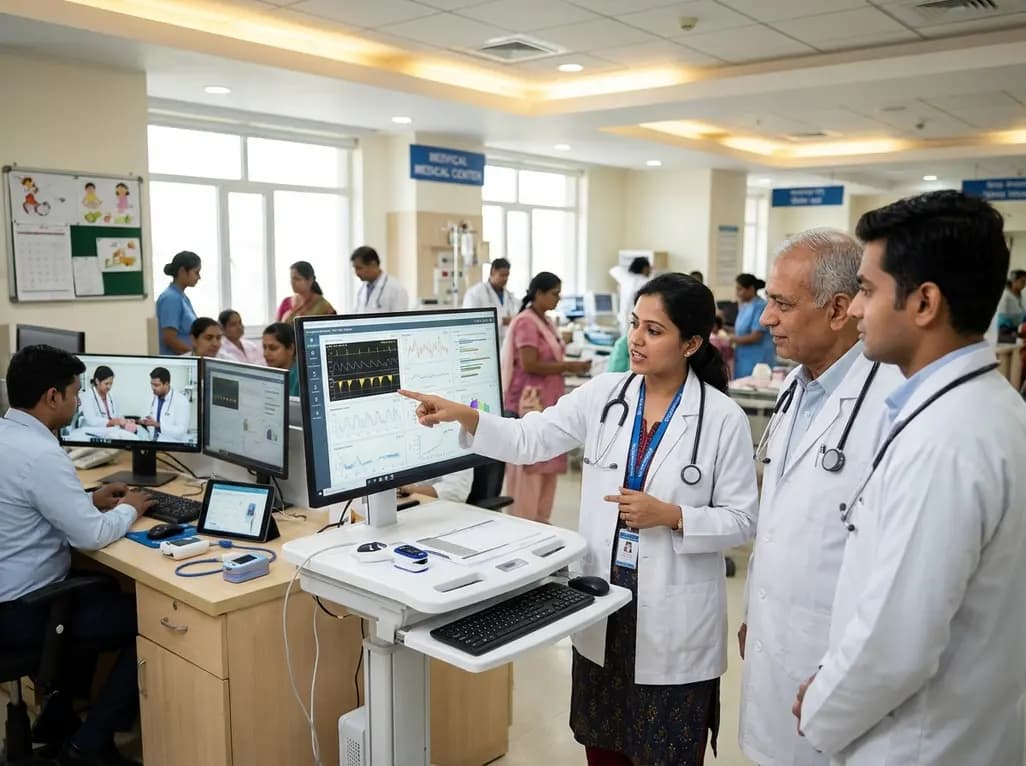
A landmark study details how an enterprise pediatric remote patient management model expanded from a single cardiology pilot to 16 diverse specialty programs by combining centralized digital operations with specialty clinical leadership.
Today

A comparative review of tension band wiring and intramedullary screw fixation in thumb metacarpophalangeal arthrodesis, evaluating union rates, hardware complications, and clinical outcomes.
Yesterday
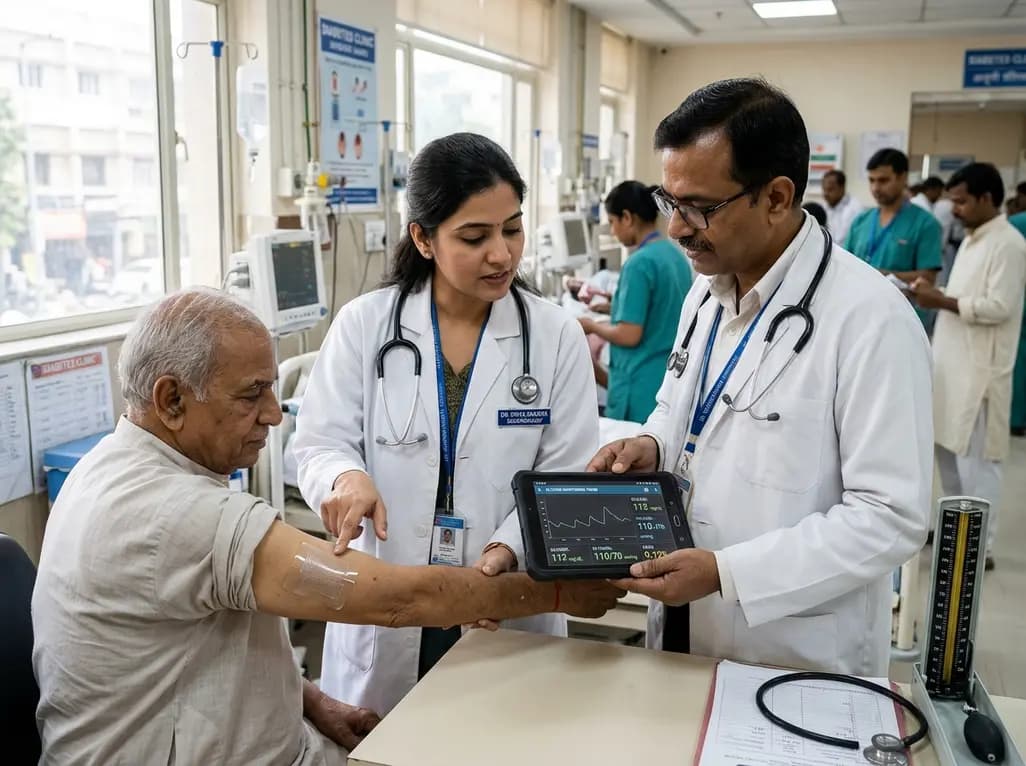
A breakthrough ultrathin multimodal sensor decouples physical hemodynamic monitoring from disposable electrochemical calibration, achieving long-term wearable glucose prediction with 81.36% accuracy and a 9.12% MARD. This offers a robust, drift-free solution for outpatient metabolic surveillance.
Today
